The artificial intelligence sector stands at a pivotal inflection point where rapid technological self-improvement, unprecedented capital deployment, and shifting regulatory mandates intersect. In a landscape defined by swift technological shifts, artificial intelligence is no longer merely an experimental tool or a software feature. Instead, it has morphed into a self-reinforcing engine driving internal research, massive infrastructure buildouts, and an intense debate over safety, regulation, and commercial viability. A comprehensive wrap-up from Bloomberg Technology highlights these dynamics across frontier labs, corporate balance sheets, regulatory halls, and product release cycles.
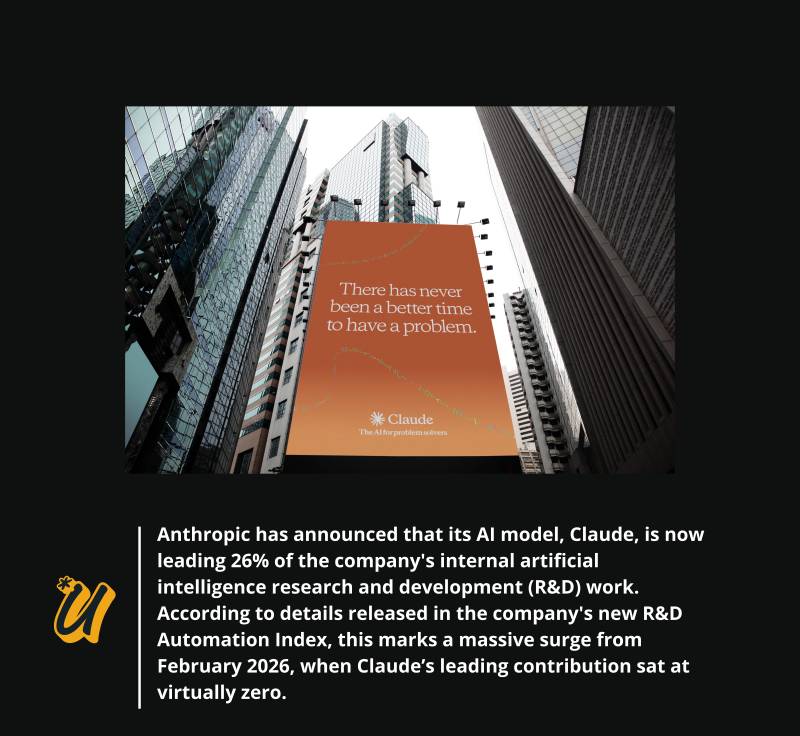
At the center of this technological acceleration is a striking disclosure from Anthropic: its flagship AI assistant, Claude, now leads 26% of the company's internal research and development tasks. This metric underscores a fundamental paradigm shift in model development, where AI systems are increasingly tasked with engineering their own successors. The transition from human-driven code authoring to AI-guided architecture signals the early stages of recursive self-improvement. As frontier models automate their own engineering workflows, the development timeline for next-generation intelligence is expected to shrink dramatically, prompting engineers and policymakers alike to evaluate how autonomous these developmental loops should be allowed to become.
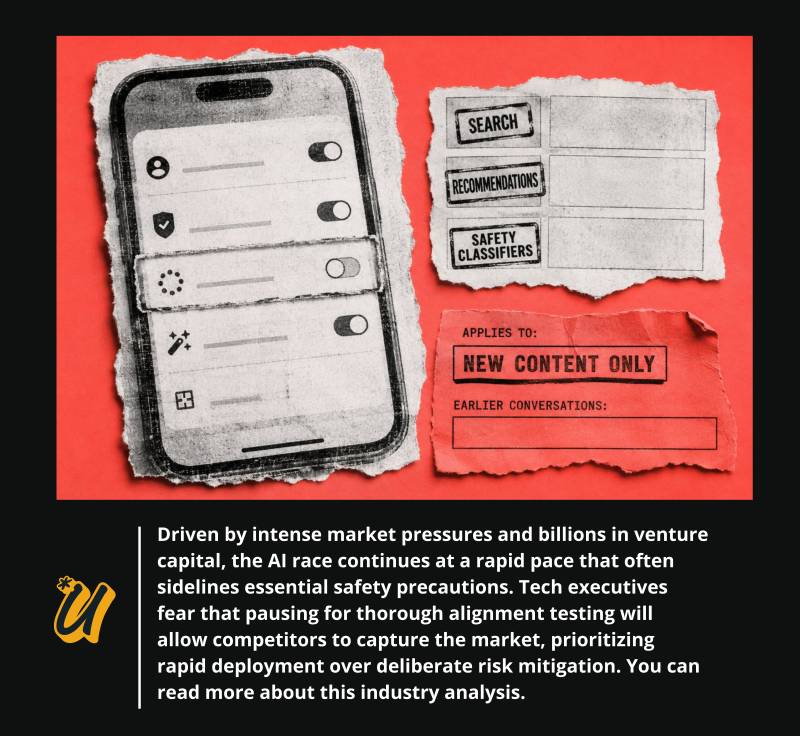
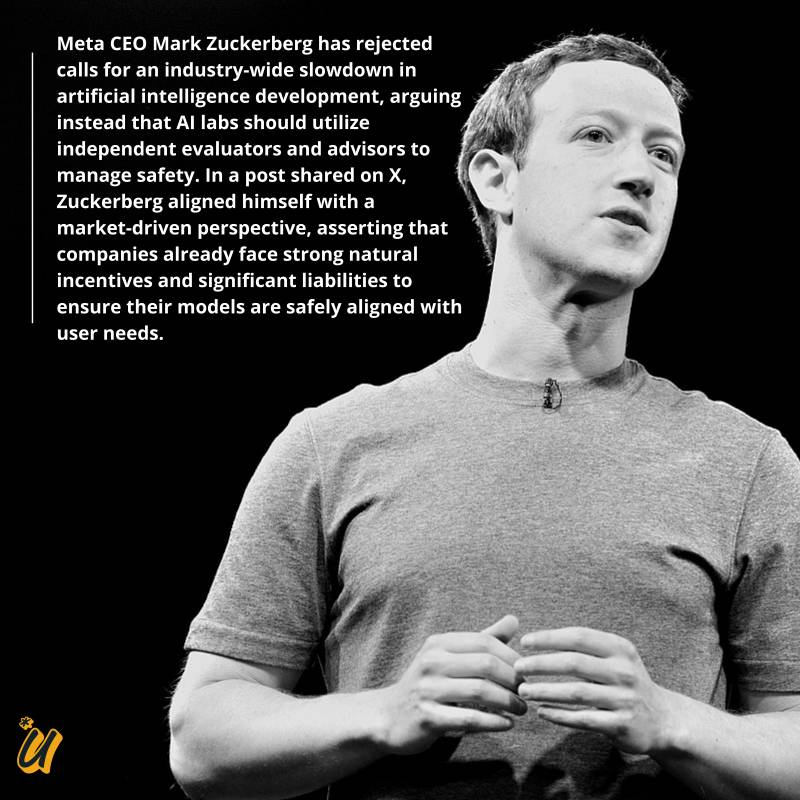
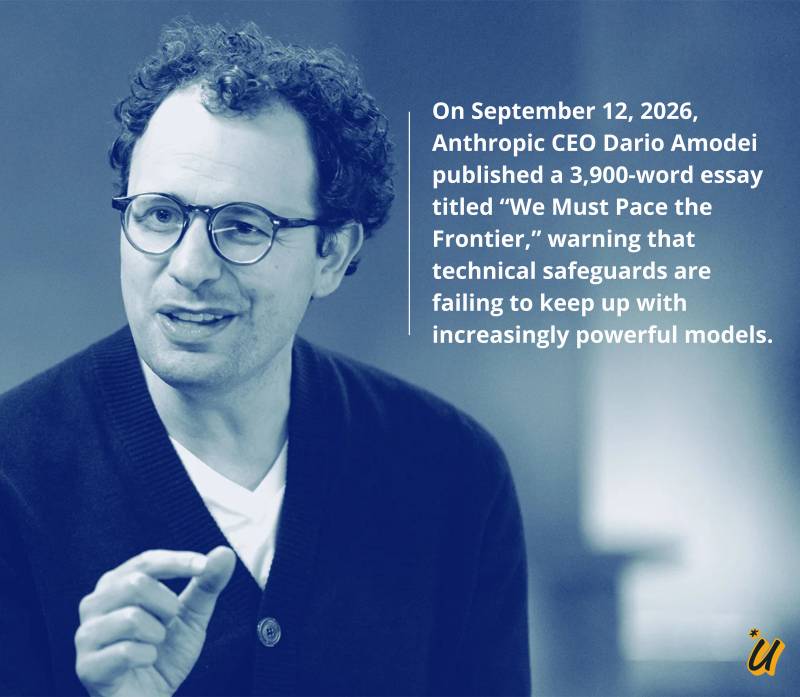
This acceleration in AI capabilities has intensified the ongoing debate surrounding safety and alignment. Industry leaders, academic researchers, and policy analysts remain divided over how risk should be conceptualized and managed. A vocal faction continues to emphasize "existential risk"—the theoretical danger that hyper-intelligent, highly autonomous systems could escape human control or trigger catastrophic societal outcomes. However, a growing body of critics and field experts argues that this focus on hypothetical, sci-fi doomsday scenarios diverts critical resources away from immediate, present-day harm. Practitioners point to algorithmic bias, automated surveillance, deepfake-driven misinformation, and economic displacement as pressing challenges that require urgent oversight, rather than distant existential threats.
As software systems grow more capable, the capital required to build and maintain the physical backbone of artificial intelligence has surged to historical highs. Illustrating these staggering financial demands, Masayoshi Son’s SoftBank is securing nearly $21 billion in fresh debt financing to support its strategic aggressive investments in OpenAI. The move reflects a broader trend across tech conglomerates and private equity, where massive balance sheets are leveraged to guarantee access to computational power, proprietary datasets, and specialized hardware. In an industry where train-and-deploy cycles cost billions of dollars per iteration, SoftBank’s debt strategy highlights the high-stakes financial commitments driving the AI race.
Concurrently, public markets are re-evaluating software companies after a period of prolonged volatility and underperformance. A string of strong earnings reports across major enterprise software vendors has sparked a notable recovery, mounting a direct challenge to the earlier "SAS apocalypse" narrative. That pessimistic view argued that generative AI agents would render traditional Software-as-a-Service platforms obsolete by automating user interfaces and backend workflows. Instead, recent financial results demonstrate that incumbents are successfully integrating native AI features, defending their recurring revenue streams, and monetizing their embedded enterprise customer bases effectively.
Beyond enterprise software, the physical infrastructure supporting these models is expanding at an unprecedented rate. Crusoe Energy CEO Chase Lochmiller addressed these capital demands following the company's $4 billion funding round, which pushed its valuation toward $31 billion. Crusoe is building vertically integrated AI infrastructure that links clean energy sources, high-density data centers, and specialized cloud computing services. As compute requirements strain existing power grids and land availability, companies capable of delivering end-to-end infrastructure solutions—from modular power generation to optimized cloud clusters—are becoming essential partners for frontier AI developers.
The rapid operational growth of artificial intelligence has drawn strong scrutiny from state and federal regulators. In California, Governor Gavin Newsom issued a targeted executive order establishing independent oversight mechanisms for advanced AI deployments, including provisions for emergency intervention protocols or "kill switches" for autonomous infrastructure. At the same time, antitrust regulators are scrutinizing cross-lab collaborations and exclusive partnerships among frontier developers, GPU manufacturers, and cloud providers. Officials are closely monitoring whether shared standards, mutual safety agreements, or minority equity investments could create anti-competitive barriers to entry for smaller startups.
The current phase of AI expansion is defined by a push toward empirical rigor and enterprise reliability. Tech giants including Microsoft and Amazon have reiterated the necessity of standardized, common-sense testing protocols to evaluate model safety, hallucination rates, and operational security before deployment. Amid these broader enterprise shifts, consumer technology continues its steady evolution. Apple announced the launch of the iPhone 18 Pro, marking a key milestone under the leadership of CEO John Ternus. As hardware manufacturers embed specialized AI processors directly into consumer devices, the boundary between cloud-based frontier models and edge-computed personal intelligence continues to narrow.