PUERTO RICO – In a definitive report on the intersection of geographical displacement and creative evolution, artist Angel Otero has unveiled a deeply personal body of work titled Agua Salada. Developed during a prestigious artist residency at the Hauser & Wirth gallery in the Somerset countryside, the exhibition serves as a profound meditation on the mechanics of memory, the weight of family history, and the transformative power of environmental shifts on an artist’s practice. By moving his studio from the urban density of Brooklyn and the tropical familiarity of Puerto Rico to the rural silence of England, Otero has produced a collection that functions as both a sanctuary and a psychological map, navigating the delicate balance between the joy of the past and the sorrow of the present.
The narrative of Agua Salada is inextricably linked to the residency experience in Somerset, which Otero describes as a catalyst for a significant mental and emotional pivot. The report suggests that the countryside’s specific atmosphere—distinct from the high-velocity energy of New York or the coastal rhythms of Puerto Rico—offered a unique form of solitude that allowed for a deeper internal dialogue. This transition provided the necessary clarity to confront complex personal narratives that had previously remained in the subconscious. The rural landscape did not just act as a backdrop; it became a strategic tool for self-discovery, allowing Otero to filter his memories through a new lens and refine his creative decisions with a sense of newfound stillness.
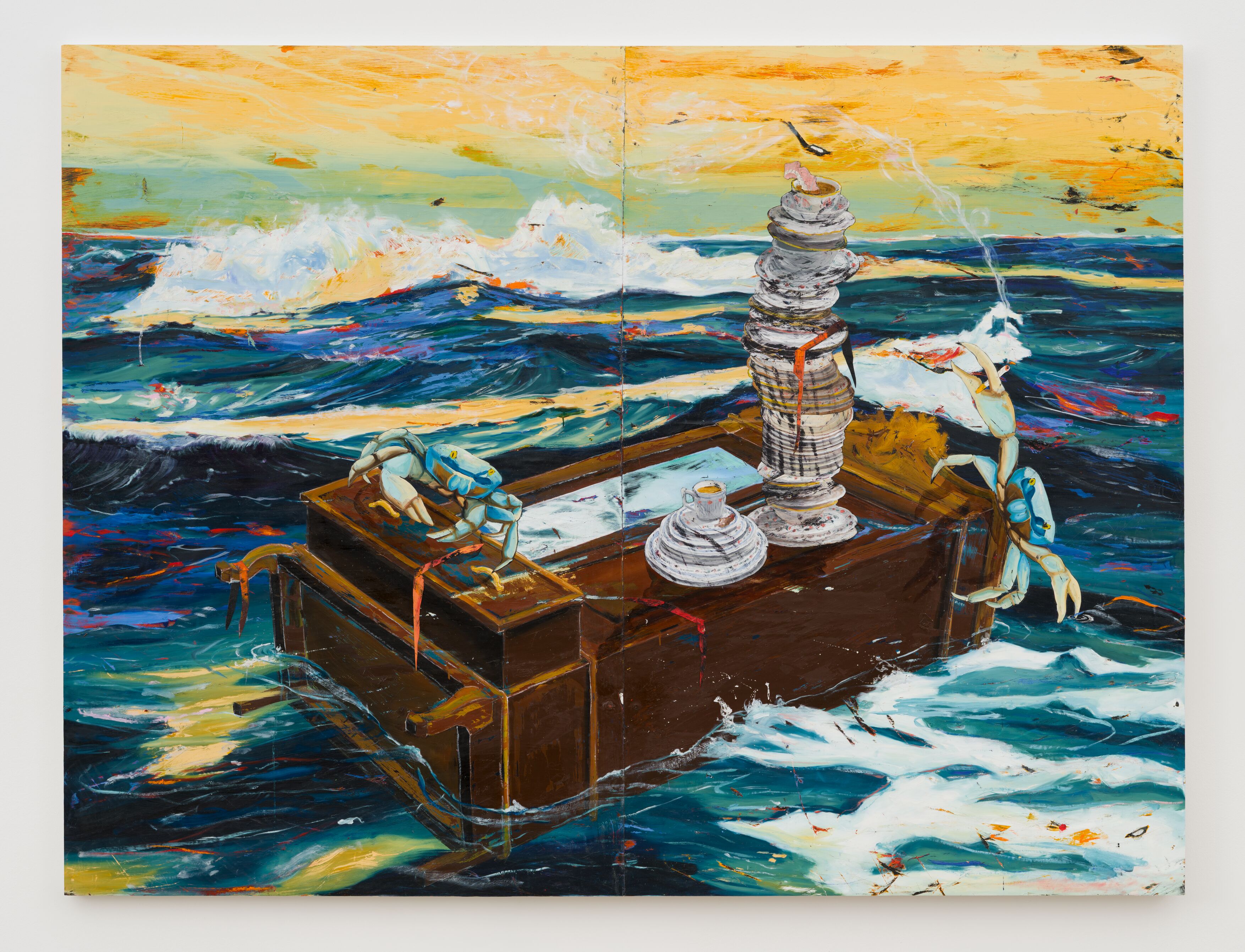
Central to the exhibition is the title itself, Agua Salada, which translates to "saltwater." Within the context of the report, this phrase serves as a multi-layered metaphor that extends far beyond its literal definition. Saltwater is presented as a substance of preservation, a medium of healing, and a symbol of the vast, often turbulent ocean that connects the various stages of Otero's life. The artist uses these themes to explore sensitive family histories, particularly those surrounding health and aging. For Otero, saltwater represents the physiological tears of grief as well as the revitalizing waters of his home island, embodying the complex duality of the human experience where pain and restoration often occupy the same space.
Related article - Uphorial Shopify

The exhibition is characterized by Otero’s signature approach to art as personal narrative, where the boundaries between object and memory are intentionally blurred. Throughout the galleries, the artist incorporates everyday items—furniture, land crabs, and domestic artifacts—to ground his abstract explorations in a tangible reality. A primary focus of this narrative is Otero’s unique perspective on photography; he treats the photograph not merely as a recording of a moment, but as a physical object with its own history and weight. This is particularly evident in specific pieces like Two Men in an Island, where the construction of the work reflects a desire to materialize the past rather than simply depict it. By treating memories as physical matter, Otero allows the viewer to experience the specific scale and atmosphere of his childhood home, facilitating a visceral connection to a private history.
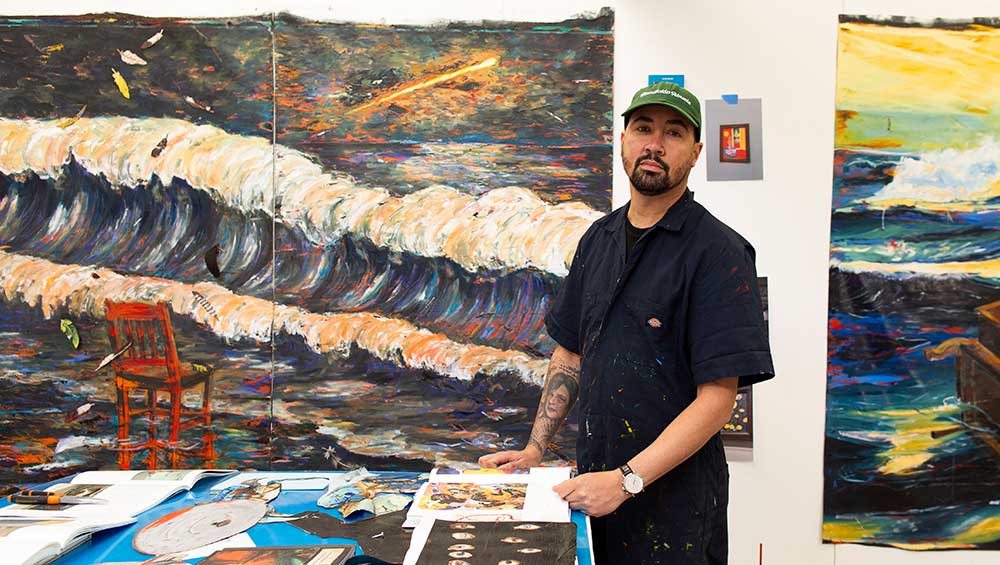
This emotional approach to construction is the "ginger" of Otero's creative process. He emphasizes that the visualization of memory is not a clinical exercise but an intuitive act of reconstruction. The exhibition is designed to capture the specific "feeling" of the spaces he once inhabited, using the physical gestures of his paint-skin technique to mimic the way the mind gathers and loses information. This method allows Otero to explore the architecture of his upbringing, using the canvas to build a bridge between the person he was in Puerto Rico and the artist he has become in the global art world.
Marking a significant milestone in his career, the exhibition also features Otero’s first outdoor sculpture, titled Dreams and Salt. Originally conceived in Puerto Rico, this work serves as a monumental portal that addresses the universal themes of migration and the human condition. The sculpture is presented as a bridge, utilizing the metaphor of the ocean to connect disparate cultures and histories. It stands as a testament to the idea that despite the distances created by geography or time, there are shared conduits of experience that bind people together. By placing this work in the open air of Somerset, Otero completes the cycle of his residency, proving that the local specificities of his memory can resonate with a universal audience. Ultimately, the report on Agua Salada confirms Angel Otero’s status as a master of the personal archive. The exhibition is a reminder that the most powerful art often emerges from the willingness to be displaced and the courage to look backward. As Otero concludes his time in the English countryside, he leaves behind a body of work that is as much about the process of healing as it is about the act of painting. Agua Salada stands as a definitive analysis of the artist as a conduit, transforming the salt of his own experience into a lasting monument of creative preservation.