MANCHESTER - The historical architecture of British politics has long been sustained by the illusion that power flows exclusively from the marble corridors of Westminster and the gilded doors of Whitehall, yet the tremors shaking the foundations of the nation suggest a profound, overdue reckoning. Stepping into the highest office of the land through a sequence of events as extraordinary as it is unconventional, Andy Burnham has assumed the mantle of Prime Minister, inheriting a nation suspended between deep-seated institutional exhaustion and an urgent, desperate hunger for renewal. His ascent marks a seismic pivot in the United Kingdom’s governance—a rare moment where the periphery of the country has seized the center, bringing the grit, defiance, and lived realities of regional Britain straight to the steps of Number 10.
To comprehend the complex gravity of Burnham’s current premiership, one must first dismantle the carefully curated mythos of his political identity. While he projects the rugged, unapologetic authenticity of an outsider—an image forged during his defining years as the Mayor of Greater Manchester—the reality of his trajectory reveals a seasoned political veteran who cut his teeth in the very heart of the establishment. Long before he was championing the North from outside the Westminster bubble, a young Burnham served as a trusted policy adviser to modernizing architects like Tony Blair and Gordon Brown, subsequently holding heavy-hitting cabinet portfolios including the Department of Culture, Media and Sport and the grueling post of Health Secretary. He is a child of the machinery who chose to walk away, spend time in the industrial heartlands, and reinvent himself in the crucible of local government.

Related article - Uphorial Shopify
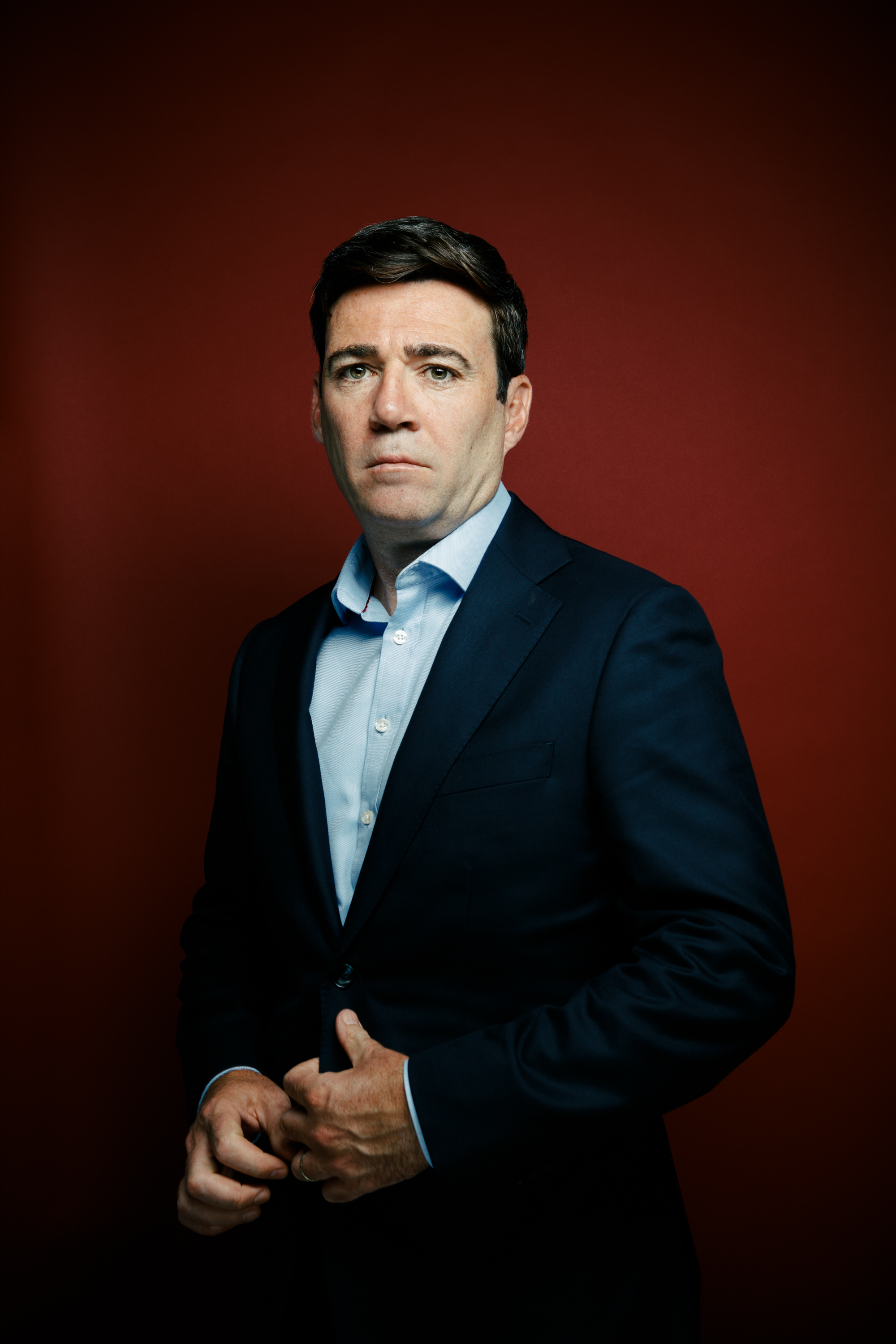
That reinvention reached its dramatic apex following a turbulent chapter for the governing Labour Party, characterized by sliding public confidence and the sudden exit of his predecessor. Following two earlier, unsuccessful bids for the party leadership earlier in his career, Burnham’s path back to the apex of British politics bypassed the chaotic theater of a traditional general election or a bruising, multi-candidate leadership contest. Instead, buoyed by an overwhelming tidal wave of institutional backing that saw potential rivals clear the field, his rise assumed the characteristics of a modern political "coronation". With an astonishing 379 nominations secured from his fellow Labour lawmakers, he stepped seamlessly into the leadership, accepting the sovereign's invitation to form a government with an aura of inevitability that stunned political observers.
Yet, walking through the black iron gates of Downing Street does not erase the monumental headwinds facing his administration. Burnham takes the helm of a nation grappling with persistent economic stagnation, where annual growth has flatlined and ordinary citizens continue to bear the heavy cross of a biting cost-of-living crisis. His primary, existential challenge is breathing life back into a sluggish economy without surrendering the core social values of the center-left. Compounding these domestic pressures is the volatile political terrain surrounding immigration—both legal and irregular—an emotive issue that has steadily eroded the traditional party landscape and fueled the insurgent popularity of populist alternatives like Reform UK. Furthermore, navigating high-stakes international diplomacy without a deep reservoir of foreign policy experience presents its own trial by fire, though he has already signaled a willingness to chart a firmer, more independent course when dealing with unpredictable global figures, including a distinct readiness to challenge the United States administration under Donald Trump when British interests demand it.
With emotional precision and deep cultural understanding, Burnham has diagnosed Britain’s core ailment as an over-concentration of power in the capital, diagnosing London as an economic vacuum that sucks vitality away from the rest of the country. To counter this, his strategic storytelling revolves around a radical decentralization agenda. He has staked his political reputation on a promise to redistribute governance away from Whitehall, famously floating plans to establish administrative extensions of Downing Street in the North, ensuring that the voices of neglected towns and post-industrial cities are no longer treated as an afterthought. It is a philosophy born from his pandemic-era advocacy, where he stood shoulder-to-shoulder with northern communities against top-down mandates, transforming himself into a populist champion of regional dignity.
Yet, this transformational framing of British democracy walks hand-in-hand with undeniable political vulnerability. Because his premiership was born from an internal party transition rather than a direct nationwide electoral mandate, opposition voices and skeptical analysts have raised legitimate questions regarding the democratic legitimacy of his sweeping policy shifts. While the Labour Party retains a substantial working majority inherited from the 2024 landslide, the clock is already ticking. Pressure for an early general election before the statutory 2029 deadline is anticipated to mount rapidly as rival factions test his resolve. Andy Burnham stands at history's crossroads: a veteran insider who must act as an institutional revolutionary, tasked with proving that the political system can be rewired to serve the many before the patience of a cynical electorate runs out entirely.