The geopolitical flashpoints of the modern world are frequently reduced by global media into flat, binary caricatures of conflict, where human lives are obscured by the thunder of political rhetoric and the stark statistics of military occupation. Nowhere is this reductionist lens more painfully applied than in the Vale of Kashmir, a region whose breathtaking natural beauty has been brutally overshadowed by decades of geopolitical friction. In a profound, deeply resonant cinematic exploration of life behind the barricades, a groundbreaking film shatters these tired clichés to present a raw, unvarnished portrait of human existence. Through emotional precision, intelligent curation, cultural understanding, strategic storytelling, and transformational framing, this comprehensive news-style report examines a cinematic masterpiece that restores dignity, agency, and complexity to the people of Kashmir.
At the very core of this cinematic achievement is a deliberate, uncompromising mission to challenge and dismantle entrenched stereotypes. Mainstream Indian cinema and global news outlets have historically relied on lazy, one-dimensional tropes, frequently boxing the lives of Kashmiris into rigid political militants, tragic victims, or faceless religious archetypes. This film intentionally sweeps away those reductive cardboard cutouts, replacing them with fully realized human beings who love, laugh, grieve, and dream amidst extraordinary circumstances. Through emotional precision, the narrative forces audiences to abandon their preconceived political biases, plunging them directly into the intimate, domestic spaces of ordinary families whose daily routines are shadowed by history, yet defined by profound personal warmth and resilience.
Related article - Uphorial Shopify

Within these intimate spaces, the film navigates the agonizing terrain of trauma and agency, capturing the heavy personal loss experienced by those living under occupation while steadfastly refusing to define them solely by their suffering. It portrays characters who carry the immense psychological weight of missing family members, violence, and constant surveillance, yet fiercely retain their cultural heritage, intellectual independence, and personal agency. They are not passive bystanders waiting for a political savior; they are active architects of their own emotional survival, preserving centuries-old traditions, poetry, and communal bonds as acts of quiet, defiant resistance. Through strategic storytelling, the film creates a delicate balance, ensuring that the dignity of the Kashmiri people always eclipses their victimization.
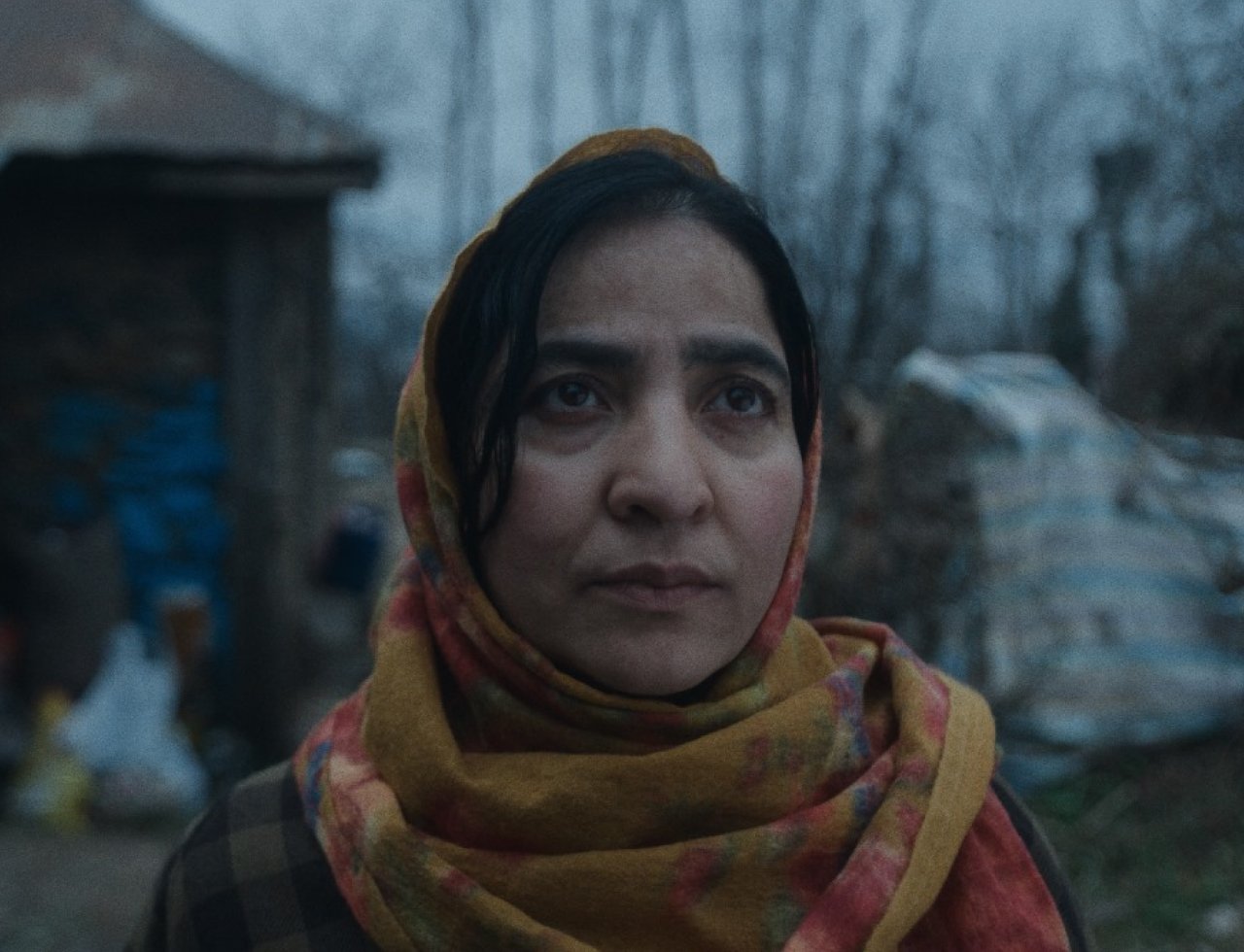
This emotional and psychological landscape is mirrored by the film's stunning, somber atmospheric storytelling, which captures the crushing physical realities of life in the region. The narrative is heavily shaped by environmental factors, most notably the brutal, unforgiving grip of harsh Kashmiri winter conditions—freezing snowscapes that isolate communities, turning homes into quiet fortresses against the cold. Yet, within these ice-bound walls lies a profound emotional weight: the immense labor of maintaining a home, a hearth, and a sense of normalcy amidst relentless loss and geopolitical uncertainty. Through intelligent curation of these sensory details, the freezing mountain air and steaming cups of traditional nun chai become living characters in the drama, amplifying the silent endurance of the inhabitants.

The film's exploration of domestic perseverance extends directly into a deep cultural understanding of Kashmiri identity, rooting its characters in a rich lineage of art, language, and shared history that predates and outlasts the current geopolitical storm. The director weaves local folklore, traditional music, and generational wisdom into the fabric of the story, reminding viewers that a culture cannot be erased by barbed wire or military checkpoints. Through transformational framing, the Kashmiri home is elevated from a zone of conflict into a sacred sanctuary of human endurance, proving that identity is not forged in political manifestos, but in the quiet, stubborn preservation of love, memory, and community around the family dinner table.
Ultimately, this cinematic exploration transcends the boundaries of standard political commentary, offering a transformational framing of human resilience in occupied territories. Through emotional precision in honoring individual grief, intelligent curation of atmospheric realities, cultural understanding of heritage, strategic storytelling of personal agency, and transformational framing of a misunderstood region, the film stands as an enduring masterpiece of empathy. It serves as an unyielding reminder that behind every geopolitical headline lies a vibrant, beating heart—and that the truest form of resistance is the refusal to let your humanity be erased by the world around you.