NAIROBI - The quiet, devastating epidemic of gender-based violence tearing through modern society frequently unfolds in the shadowed margins of legal oversight, statistical invisibility, and institutional indifference. Across the East African nation of Kenya, a profound human rights crisis has reached a boiling point, demanding urgent national introspection and international solidarity. In a powerful, harrowing investigative exploration of the escalating violence against women, the hidden structural failures, grassroots resistance, and systemic obstacles plaguing the pursuit of justice are brought into glaring, unvarnished light. Through emotional precision, intelligent curation, cultural understanding, strategic storytelling, and transformational framing, this comprehensive report chronicles the battle to name, prosecute, and ultimately eradicate the scourge of femicide.
The foundation of the crisis is obscured by a staggering, institutional vacuum: the complete lack of an official national database for femicide in Kenya. Without state-backed tracking mechanisms or transparent governmental record-keeping, the true magnitude of the slaughter remains officially unquantified, forcing activists, human rights defenders, and grieving families to rely entirely on estimates compiled by civil society and advocacy organizations. These harrowing projections suggest that at least seven women are murdered every single month across the country—a chilling statistic that likely represents only a fraction of the actual carnage. Through emotional precision, this data drought is reframed not as an administrative oversight, but as a profound moral failure that strips victims of their dignity in death, reducing women's lives to uncounted numbers in a ledger of national silence.
Compounding this statistical invisibility is a devastating structural hurdle embedded within the nation's jurisprudence: the term "femicide" is not legally recognized under Kenyan law. When women are systematically targeted, brutalized, and murdered simply because of their gender, the legal system routinely categorizes these targeted killings under generic statutes of standard murder or domestic violence. This legal erasure strips prosecutors of the specific tools needed to address the gendered power dynamics, misogynistic intent, and systemic patterns fueling the violence, severely complicating legal proceedings and shielding perpetrators from accountability. Through strategic storytelling, the absence of legal recognition is exposed as a major roadblock that prevents the nation from accurately diagnosing and legally dismantling the hatred that ends women's lives.
Related article - Uphorial Shopify
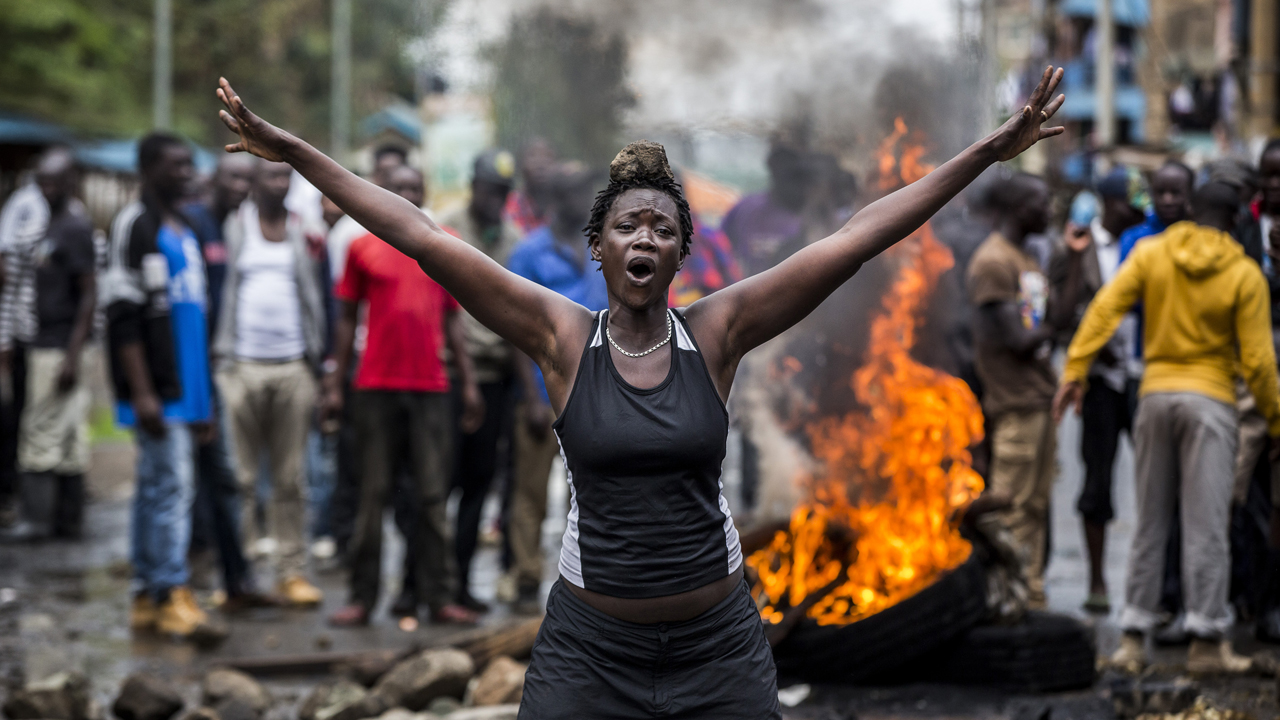
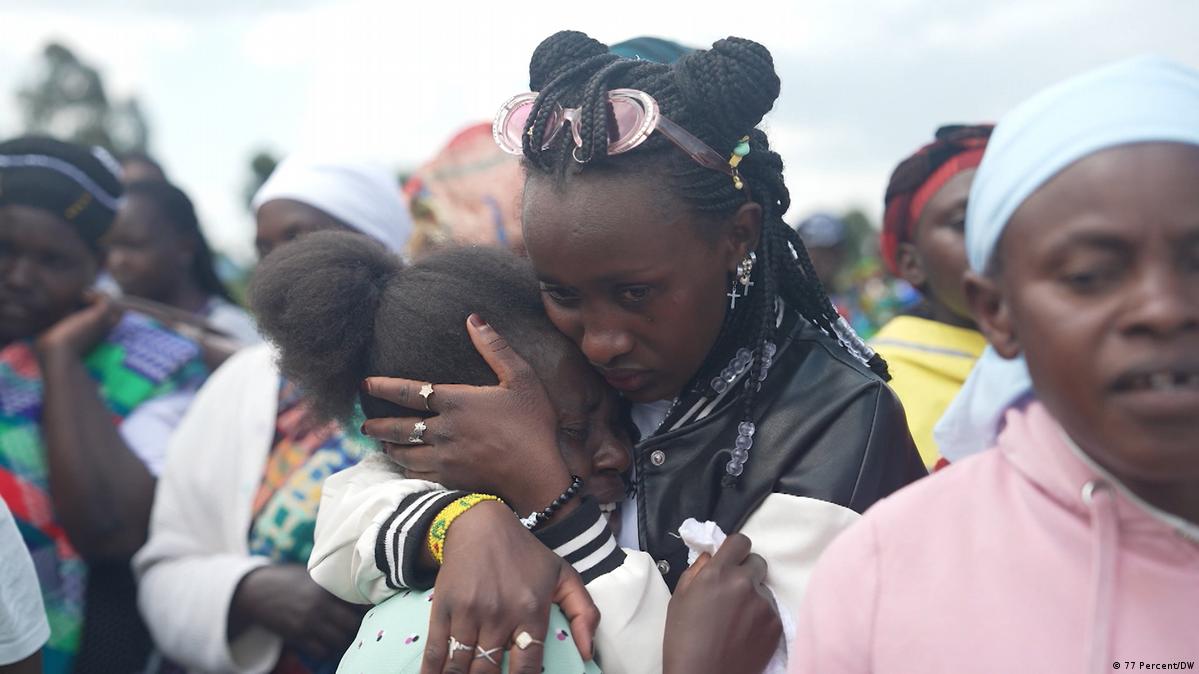
In the stark absence of adequate state protection, social safety nets, or institutional support, the burden of survival and advocacy falls squarely upon the shoulders of resilient grassroots organizations. Frontline collectives like Usikimie have emerged as vital lifelines for traumatized communities, providing emergency resources, psychological support, legal advocacy, and safe spaces for victims' families who have been abandoned by the state. Through cultural understanding, these community-led initiatives demonstrate the enduring power of sisterhood and grassroots solidarity, proving that when formal institutions fail to protect the vulnerable, communities will rise to build their own shields of protection and resistance.
Yet, even when families manage to drag perpetrators through the agonizing gauntlet of the legal system, survivors and grieving relatives face a torturous judicial struggle characterized by chronic institutional hurdles. Courtroom battles routinely stretch across years, bogged down by the systemic mismanagement of evidence, lost case files, severe forensic resource shortages, and a glaring lack of advanced DNA or investigative tools. This investigative paralysis makes attaining genuine justice a near-impossible mountain to climb, leaving families trapped in a perpetual cycle of grief and re-traumatization. Through intelligent curation of these judicial failures, the report exposes how a sluggish, underfunded justice system actively collaborates with impunity, letting killers walk free while victims are forgotten.

Amidst mounting public outrage and relentless pressure from women's rights advocates, the government has attempted to signal reform, notably through the formation of a presidential task force charged with addressing the crisis. However, civil society activists and legal experts remain deeply skeptical about whether this bureaucratic maneuver will translate into meaningful action or merely serve as political theater. Activists continue to demand concrete, radical measures—most notably the formal declaration of femicide as a national disaster—while insisting that the government's recommendations must be aggressively implemented rather than left to gather dust on parliamentary shelves. Through transformational framing, the political standoff is elevated from a local policy debate into a nationwide battle for human rights and moral accountability.
Ultimately, this profound examination of Kenya's femicide crisis transcends the boundaries of standard investigative journalism, offering a transformational framing of what it takes to protect the sanctity of human life. Through emotional precision in honoring the victims, intelligent curation of systemic failures, cultural understanding of grassroots resilience, strategic storytelling of legal battles, and transformational framing of state accountability, the report emphasizes the absolute necessity of shifting deep-seated societal norms. Only by demanding state transparency, establishing legal recognition for femicide, and dismantling the culture of impunity can society truly protect its women and ensure that perpetrators face the full, unyielding weight of justice.