NAIROBI --The landscape of sub-Saharan Africa is currently defined by a staggering paradox that sits at the intersection of environmental crisis and untapped economic potential. As rapid urbanization transforms cities like Lagos, Nairobi, and Accra into sprawling megalopolises, the traditional municipal infrastructure has struggled to keep pace with the sheer volume of refuse generated by millions of new urban dwellers. This has resulted in an alarming amount of uncollected waste, which has long been viewed primarily through the lens of public health hazards, blocked drainage systems, and environmental degradation. However, a new wave of industrial analysis suggests that this crisis is actually a 16 billion dollar waste management opportunity, representing a massive, untapped supply of raw materials that are increasingly vital to global manufacturing.
The "Waste Paradox" lies in the reality that the very materials causing urban flooding and plastic pollution—specifically plastics, metals, and paper—are the same materials for which manufacturers are willing to pay a premium. In a world increasingly focused on circular economies, the uncollected waste piling up in African streets is not merely trash; it is a misplaced asset. The challenge, however, has always been the "last mile" of collection: how to efficiently gather these materials from disparate urban environments and feed them back into the industrial supply chain. This is where a new generation of private enterprises is stepping in, utilizing digital infrastructure and innovative chemistry to bridge the gap between informal labor and global markets.
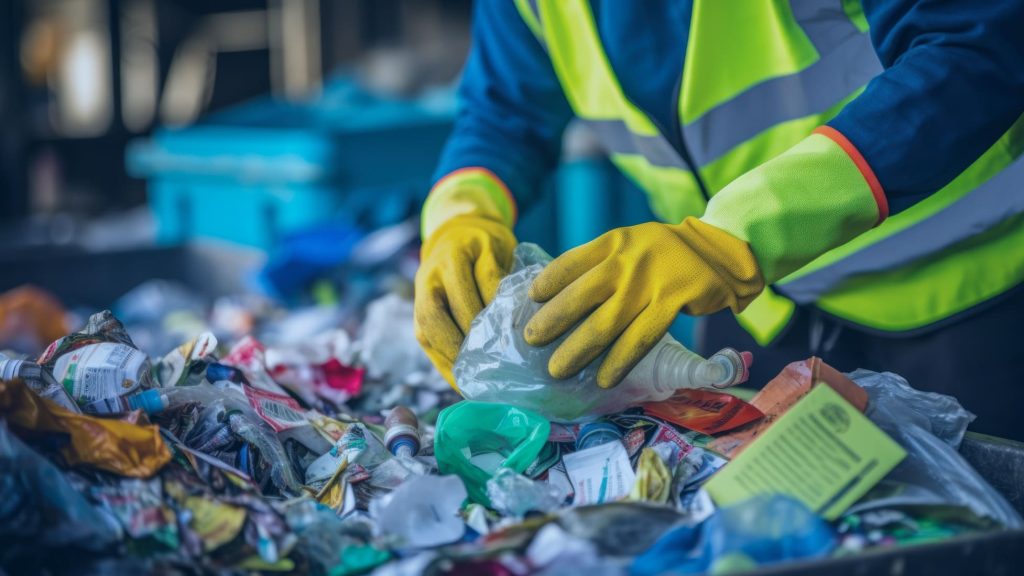
In Nigeria, a company called Scrapays has emerged as a frontrunner in solving the logistical nightmare of waste aggregation. Recognizing that the informal sector—thousands of individual waste pickers—already does the heavy lifting of collection, Scrapays has developed a digital infrastructure designed to empower these individuals rather than replace them. By equipping agents with "smart scales" and integrated transaction systems, the company has transformed the act of scavenging into a formal, mini-recycling business. This system allows waste pickers to weigh materials accurately and receive instant, digital payments, which in turn helps them build a documented credit history. This formalization of the informal labor force is a critical step in creating a scalable system, as it provides the data and financial incentives necessary to stabilize the supply of raw materials for large-scale recyclers.
Related article - Uphorial Shopify

Further east in Kenya, the company Plas-tech is taking the monetization of waste a step further by addressing the simultaneous crisis of energy poverty. Using a sophisticated chemical process known as pyrolysis, Plas-tech converts discarded plastic waste into high-quality cooking gas. This innovation addresses a dual problem: it removes non-biodegradable plastics from the environment while providing a cleaner, more affordable alternative to traditional cooking fuels like charcoal and firewood. By operating on a service-based model, Plas-tech makes clean energy accessible to low-income households that would otherwise contribute to deforestation. This model exemplifies the "circular economy" in its most literal sense—turning the plastic bottle discarded on a Nairobi street into the fuel that cooks a family’s evening meal.

Despite these clear successes and the undeniable economic potential of a 16 billion dollar market, the waste management sector in sub-Saharan Africa remains significantly underfunded. Experts argue that for these localized innovations to reach a continental scale, a massive influx of capital investment is required. Recycling is a capital-intensive industry; it requires expensive specialized machinery, large tracts of land for processing, and a sophisticated logistics fleet. Currently, many promising startups are operating on shoestring budgets, unable to process the sheer volume of waste available to them. Without a shift in how venture capital and development finance view waste as an asset class, the progress made by companies like Scrapays and Plas-tech may remain localized.
The future of the sector also hinges on improved regulation and government intervention. There is a growing call for "innovation-friendly" policies that simplify the licensing process for waste-to-energy and recycling plants. Furthermore, the enforcement of Extended Producer Responsibility (EPR) frameworks is essential. These regulations would require manufacturers—particularly those producing plastic packaging—to take financial or physical responsibility for the treatment and disposal of their products. By forcing producers to internalize the cost of waste, governments can create a more level playing field for private recycling enterprises and ensure that the cost of cleanup does not fall solely on the public or the informal sector.
Ultimately, the transformation of Africa’s waste crisis into a 16 billion dollar windfall will require an integrated system that connects three distinct pillars: public municipal systems, private enterprise, and informal labor. No single entity can solve the crisis in isolation. The government provides the regulatory framework, private companies like Scrapays provide the technology and market access, and the informal workforce provides the essential labor of collection. When these three elements are synchronized, the resulting circular economy does more than just clean the streets; it creates jobs, reduces energy poverty, and provides a sustainable stream of raw materials for a continent on the rise.