Tokyo is a destination that captivates and challenges every traveler, recognized globally as singular, beautiful, and rich in history. However, as documented by Lost LeBlanc, beneath the dazzling neon and impressive mastery of craft, there is a recognized "hidden heartbreak beneath all the neon" that hints at a deeper societal strain. This exploration into the city’s eccentricities reveals a complex duality of joy and profound loneliness.
The surface-level strangeness of Tokyo is immediate and often delightful. As Lost LeBlanc discovered while playing tour guide for his girlfriend Ruby and teammates, the city's coffee shop culture is "no exception". Visitors can encounter everything from establishments selling food that looks "like they were thrown up by a unicorn," served by adults singing and dancing like cartoon characters in "wildly energetic and honestly super uncomfortable" maid cafes. Even simpler forms of novelty are abundant, such as having morning coffee served alongside a pig named Carl, who jumped right into the lap of the traveler. While many travel to these places for the "novelty," it is often locals, and sometimes regulars, who frequent these unusual spots.
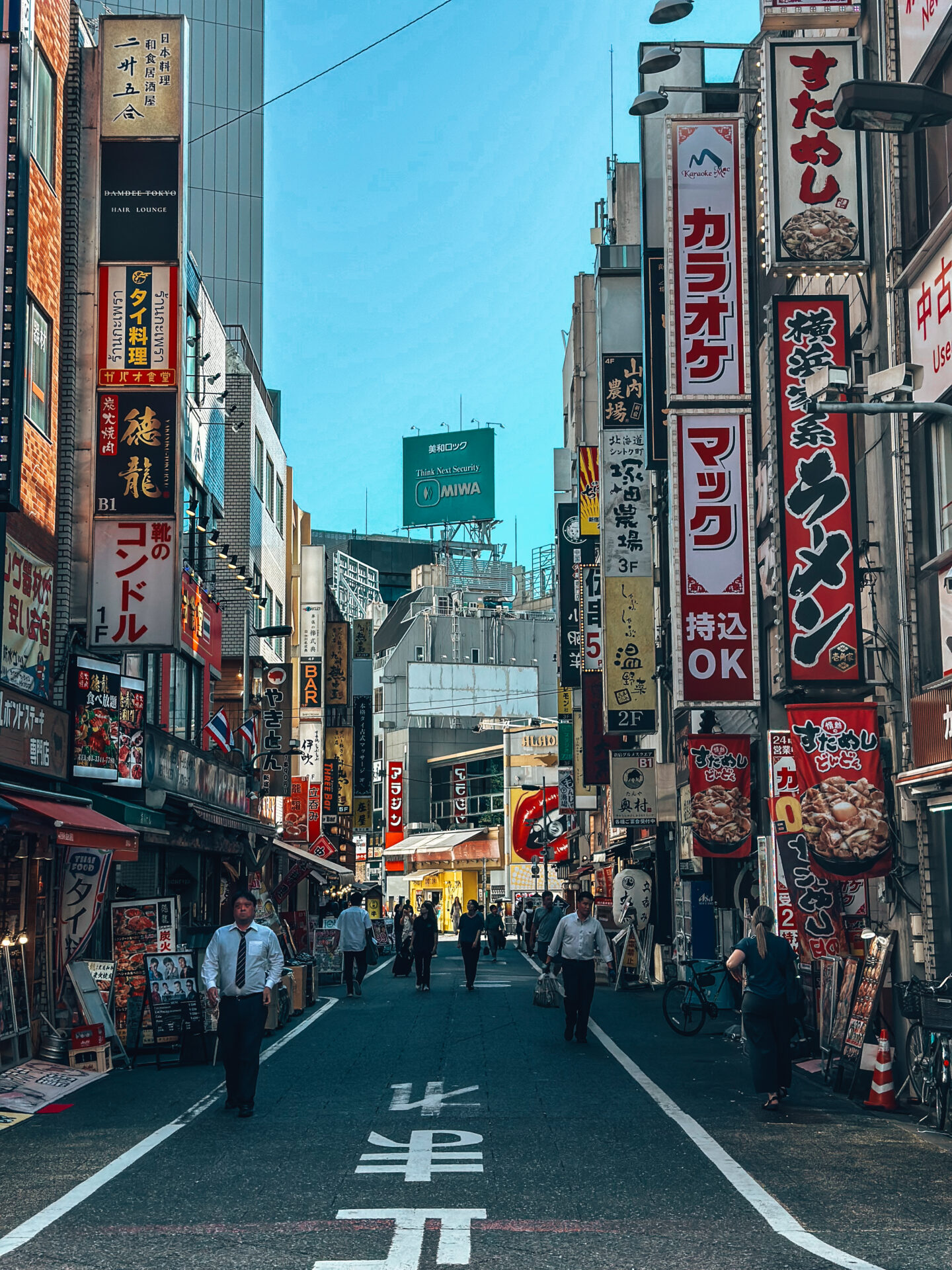
The city's immense size, home to nearly 15 million people, presents an overwhelming experience. Shibuya Station, the world's busiest, sees three million commuters daily. On non-national holidays, workers must be hired to push people onto the crowded trains to ensure maximum capacity. Yet, this massive crowdedness coexists with an unusual silence, as it is considered impolite to speak on the train. As Lost LeBlanc noted, for such a massive city, he had "never felt so invisible in my life".
Related article - Uphorial Shopify

Tokyo Japan

Tokyo is also famous as the vending machine capital of the world, with roughly one machine for every 23 people, selling everything from freshly squeezed orange juice, whipped cream, and over 30 varieties of soy milk, to curry. Meanwhile, the ubiquitous pachinko parlors, characterized by their deafening sounds and slot-like machines, are noted to take away something "much deeper" than just money, lulling Japanese men and women into a trance as they "burn their time".
The city is a study in extremes, easily highlighted by the ability to race around Tokyo in a Mario Kart before witnessing the ancient discipline of sumo wrestling. Lost LeBlanc managed to secure tickets to see authentic sumo wrestlers training for a tournament, observing the "unusual forms of peak athleticism" as "mountains colliding". Elsewhere, the Japanese commitment to craft is visible at the world’s largest fish market, a place typically barred to tourists, which contains an entire village of vendors, including around 160 tuna specialty shops. In a hidden, high-end sushi restaurant, a chef who had been training for 17 years stated it took him about 15 years to become truly confident in his craft, reinforcing the Japanese reverence for time, wisdom, and expertise.
Despite the vibrant energy of places like Shinjuku, which feels "like Blade Runner" under the "harsh artificial light," the city struggles with a severe social problem: the loneliness epidemic. Lost LeBlanc observed this heartbreaking phenomenon on the main boardwalk near Godzilla, where lines of men and women dressed in costumes sell companionship. This transactional exchange, often sought for emotional connection rather than physical touch, reflects the high societal pressures in a hyper-individualistic society. This crisis is so severe that in 2021, the Japanese government appointed a minister of loneliness.
The city faces statistics showing that about 50% of residents live alone, and one in four men over 50 have never married. This pressure has caused an estimated two million people, known as hikikomori, to completely withdraw and "disappear" from the human experience.
The response to this loneliness is found in some of Tokyo's strangest solutions. Lost LeBlanc hired a social companion, "Mr. Yoshi," a man who acts as a father figure, offering advice and company for $7 an hour, even attending a J-pop concert. The food scene itself embraces solitude: Ichiran Ramen, one of Japan’s most popular restaurants, is built around the concept of eating alone in individual cubicles, interacting with waiters only via written form. This fulfills the desire for good food "without anyone looking over your shoulders".
Ultimately, Lost LeBlanc summarizes the city as a place where the "chaos and the calm, the beauty and the loneliness, they all belong here". Tokyo is strange and wonderful, forcing visitors to step into the unusual and break every routine, showcasing "just how far society can evolve and how far we can drift apart in the process".