ISTANBUL – The modern traveler often seeks a destination that can provide the rare intersection of deep, storied antiquity and the electric pulse of contemporary life. For filmmaker Christian LeBlanc and his companions—Ruby, Lexi, and Brett—the answer to this search was found in the expansive, sun-drenched landscape of Turkey. Over the course of a 14-day, 1,500-kilometer odyssey, the group traversed a country that defies simple categorization, moving from the ethereal, windswept plains of Anatolia to the cosmopolitan chaos of the Bosphorus. Their journey serves as a powerful testament to the idea that travel is not merely about visiting a place, but about engaging with the living, breathing architecture of a culture that has acted as a bridge between East and West for millennia.
The expedition began in the otherworldly terrain of Cappadocia, a region that feels more like the setting of a surrealist dream than a terrestrial landscape. By opting to stay in a traditional cave hotel—an architectural legacy of ancient communities who carved their existence directly into the soft volcanic tuff—the group immediately grounded their experience in the profound history of the region. The mornings here are a spectacle of light and altitude; witnessing dozens of hot air balloons ascend at sunrise provides a perspective that is both humbling and exhilarating. Beyond the vistas, the exploration of underground dwellings, once used by early Christian communities to escape persecution, offers a sober, intelligent look at the resilience of the human spirit. The group’s excursions—ranging from horseback riding through the unique "fairy chimneys" to a surreal visit to the pink salt flats—highlighted a key theme of the trip: Turkey is a land that rewards those willing to venture off the main path and into the textures of its geography.
The journey then transitioned from the dust of the interior to the crystalline embrace of the coast. In Fethiye, the pace slowed to the rhythm of the tides as the group boarded a luxury yacht for two days of sailing. This segment of the trip underscored the sensory richness of the country. To sail the turquoise waters of the Mediterranean is to understand the maritime importance that has defined this region since the age of antiquity. Amidst the physical beauty, the group found themselves immersed in the culinary landscape, where the freshness of local seafood is rivaled only by the decadent sweetness of traditional desserts like kunefe—a dish that serves as a perfect metaphor for the Turkish approach to hospitality: warm, layered, and designed to be shared.
Related article - Uphorial Shopify
Moving inland, the travelers encountered the geological marvel of Pamukkale, the "Cotton Castle." The sight of white travertine terraces cascading down the hillside like frozen waterfalls is a visual phenomenon that transcends photography. These thermal pools, formed by millennia of mineral-rich waters, offer a moment of profound physical rejuvenation. It was here, amidst the stunning natural formation, that the group experienced one of the most honest moments of their trip: a spontaneous encounter with a group of local puppies. Such moments of unplanned connection provide the emotional precision that elevates a travel narrative from a series of checklists to a genuine human story. It is a reminder that while monuments and landscapes are the draw, it is the quiet, fleeting interactions that often leave the most enduring impression on the traveler.
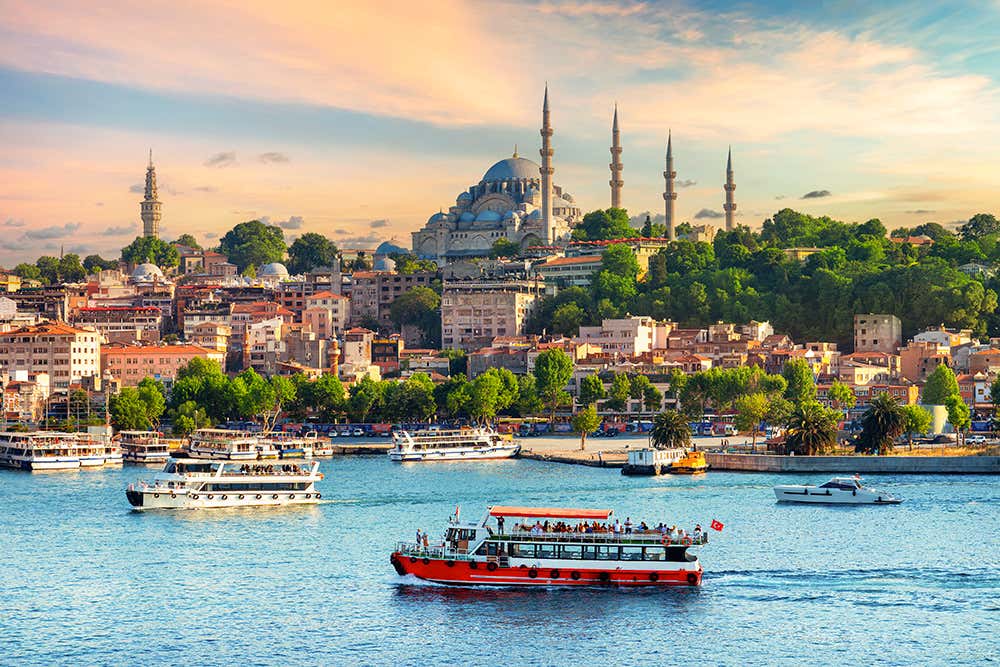
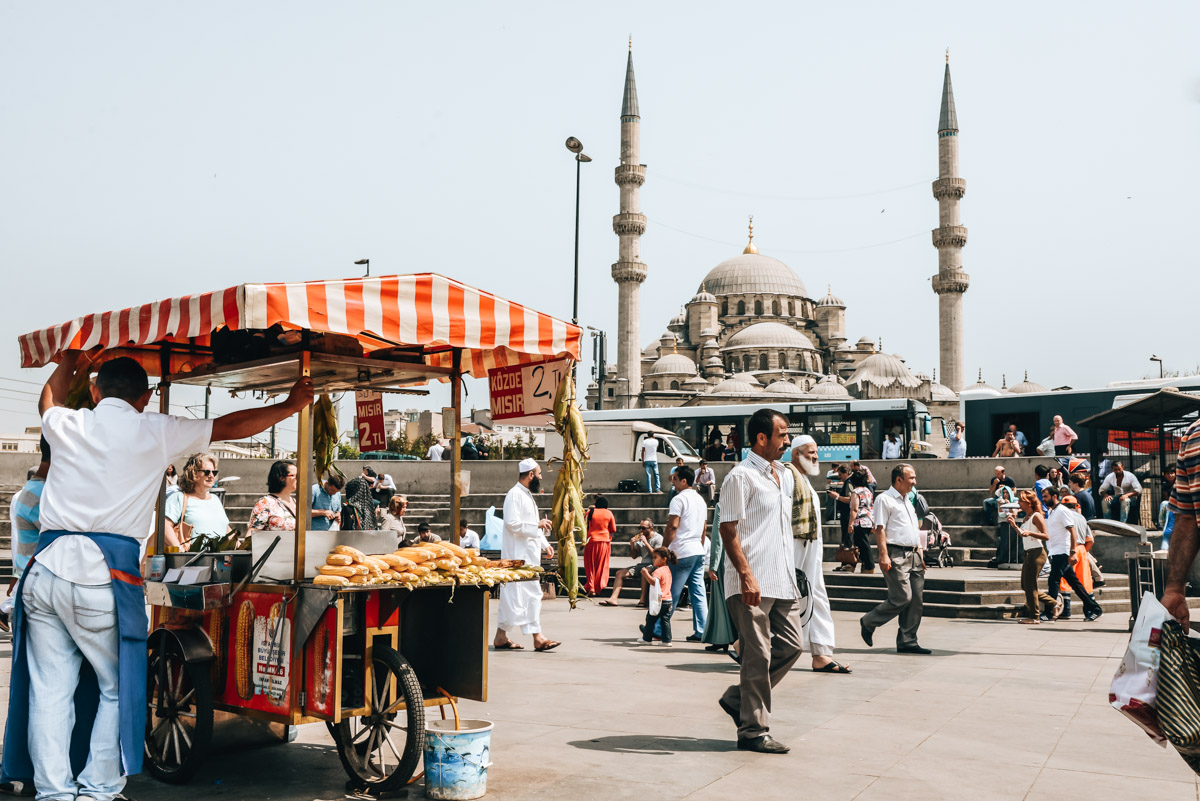
The final leg of the journey brought the group to the historic, beating heart of Turkey: Istanbul. To arrive in Istanbul is to step into a city of infinite layers, where the past is not preserved behind glass but is continuously overwritten by the present. The group’s exploration of the Grand Bazaar offered a masterclass in chaotic, vibrant commerce, while the quieter, winding streets of the Balat neighborhood provided a glimpse into the city’s complex ethnic and social fabric. Taking the ferry from the European side to the Asian side is more than a transit; it is a ritual passage that encapsulates the unique cultural understanding required to navigate a city that is simultaneously rooted in two continents. From the panoramic views offered by the Galata Tower to the daily rhythm of the street markets, Istanbul proved to be a city that demands your full attention and rewards it with a sensory overload.
Throughout the 1,500 kilometers, a singular theme emerged that defined the success of their journey: the unmatched kindness of the local people. Despite the scale of the country and the diversity of its regions, the travelers found a consistent thread of warmth that transformed their trip from a mere excursion into a deeply personal narrative. Furthermore, the affordability of the experience served as a transformational framing for the group; it challenged the assumption that high-end travel—complete with luxury yachts and unique stays—must always come at an unattainable price. By prioritizing authentic experiences and remaining open to the spontaneity of the road, LeBlanc and his team demonstrated that Turkey is not just a destination; it is an accessible, profound, and essential experience for any traveler seeking to broaden their understanding of the world. As they reflected on their return, the group identified what makes Turkey a must-visit: a rare variety of history, natural landscape, and modern culture that is difficult to replicate anywhere else on the planet. Their 14-day odyssey serves as a strategic story for the modern adventurer, proving that even in a world that feels increasingly mapped and categorized, there remain places where the mystery and the scale of the landscape still have the power to change you. Turkey does not merely welcome the visitor; it challenges them to look deeper, move slower, and appreciate the immense, layered complexity of the ground beneath their feet. It is a journey that lingers in the memory, not because of the kilometers covered, but because of the breadth of the human experience that was encountered along the way.