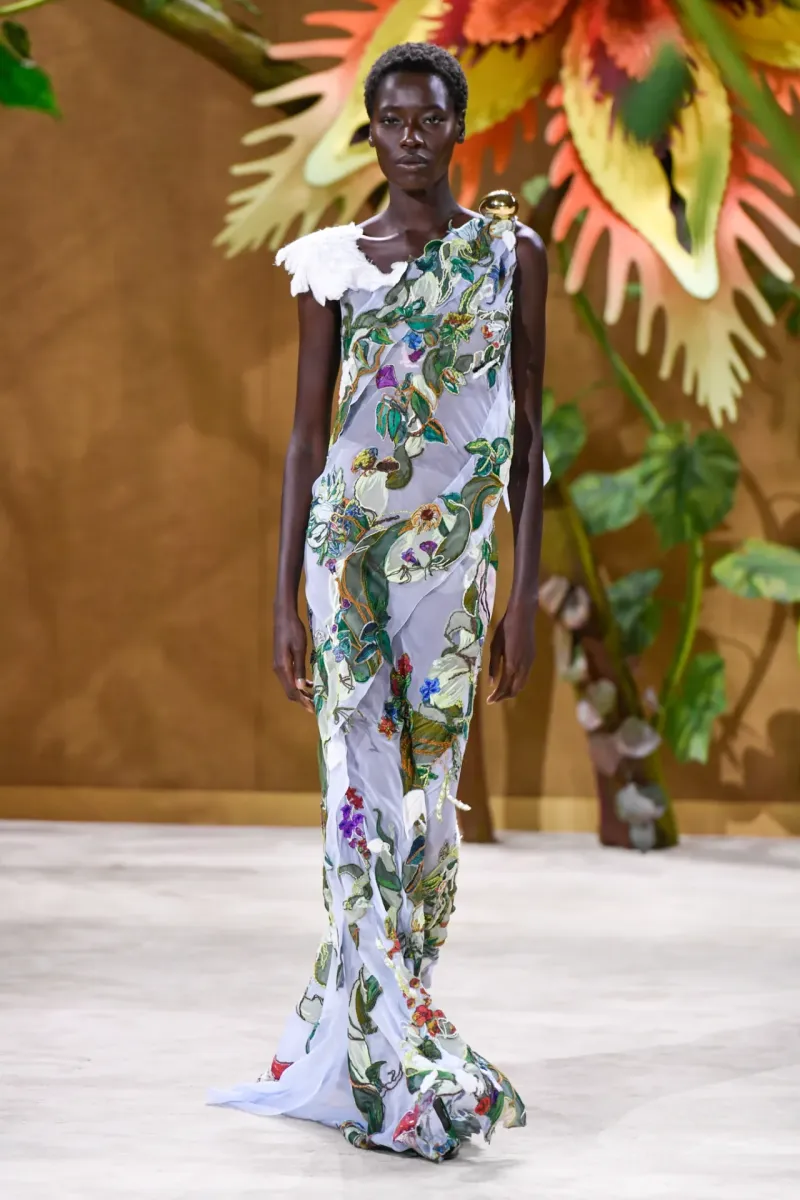
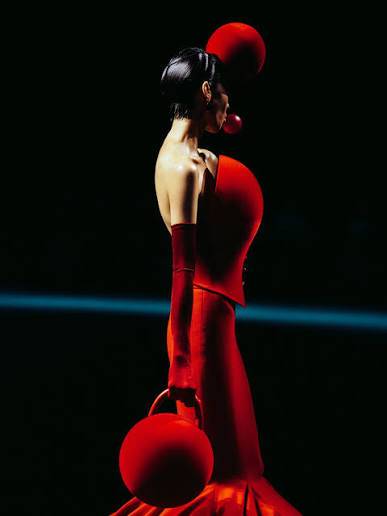
The global fashion landscape experienced a profound, adrenaline-fueled aesthetic transformation along the sun-drenched coast of Cap d'Antibes with the debut of the Zimmermann Cruise 2027 Ready-to-Wear collection, titled The Clash. This masterfully orchestrated runway event operates as far more than a seasonal display of luxury resort wear; it stands as a fierce, uncompromising sartorial study of duality that violently juxtaposes traditional maritime utility against decadent evening opulence. Creative Director Nicky Zimmermann drew deep inspiration from a legendary moment of cultural defiance: Australia’s historic, underdog upset victory over the elite global yachting establishment in the 1983 America’s Cup. By channeling this rebellious, high-seas spirit, the collection strips away the predictable, polite sanitization of traditional Riviera style, replacing it with a raw, high-octane narrative that blends the physical grit of elite athleticism with romantic, hyper-feminine glamour. This collection acts as a vital cultural document that completely alters the global conversation surrounding leisurewear, shifting the perception of resort dressing away from passive wealth projection and toward a fierce, transformational framing of athletic autonomy and absolute self-belief.
At the absolute center of this visual assault is an exceptional display of structural storytelling that captures the architectural movement of competitive sailing. The garments are meticulously engineered to mirror the physical forces of the ocean, with cascading gowns draped to capture the exact kinetic energy of a spinnaker sail catching a sudden gust of wind. Zimmermann rejects traditional rounded, fluid resort shapes, choosing instead to build skirts featuring internal structural layers of silk satin organza and rigid crinoline that force the fabric out into sharp, dramatic, triangular forms. This aggressive tailoring is fiercely balanced by the introduction of heavy-duty, technical drill silhouettes, most notably manifested in the milk-colored Clash Drill Playsuit, utilitarian drawstring jackets, and structured drawstring vests. The collection further subverts classic dress codes by shifting traditional menswear tuxedo tailoring into a soft, pastel-hued dreamscape, highlighted by a structurally flawless strapless lavender jumpsuit and a dusty pink tuxedo jacket crafted from delicate, intricate lace, proving that true sartorial power lies in the total refusal to conform to established gendered boundaries.
This complex design ethos leverages a deep cultural understanding of the textile tensions that define modern luxury. The runway meticulously curates a series of unexpected fabric pairings to explore the psychological concept of physical and emotional friction. Audiences are brought face-to-face with plush, heavyweight olive and dusty pink shearling layers that are intentionally styled over delicate, gossamer-thin lace lingerie bodysuits, creating a striking contrast between protective armor and extreme vulnerability. This tactile drama is further elevated through striped panel lace dresses and fluid organza shirts that ripple alongside structured, regal separates fashioned from rich paisley-print silk Duchess satin. The color palette itself operates through a precise, emotional progression; the collection transitions from the stark, unyielding maritime tones of deep night-sky blue, pristine cream, and primary red into an ethereal palette of soft pastels, earthy olives, and sharp, confrontational pops of crimson, mirroring the chaotic journey of a vessel navigating a turbulent sea.

Related article - Uphorial Shopify

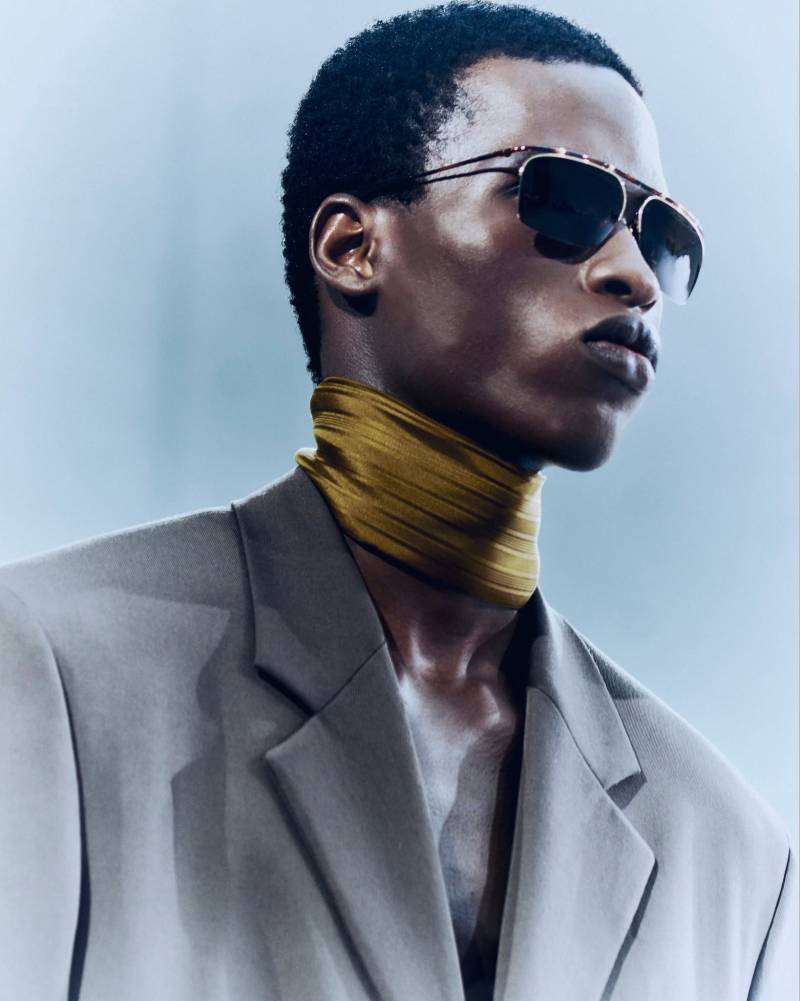
The technical execution of the collection extends down to the hyper-specific maritime hardware and accessories that anchor each look, transforming the models into modern, high-fashion privateers. The footwear choices completely redefine classic coastal elegance, featuring boat-style Regatta mules adorned with marine metallic accents, intricately woven basketweave leather slip-on loafers, and elevated Riviera wedges that evoke a sense of architectural height. The bag silhouettes lean heavily into a utilitarian aesthetic, showcasing striped canvas totes, premium leather barrel bags, the slouchy Cloud 91 silhouette, and functional, olive-toned Nautis backpacks designed for an active, nomadic lifestyle. Every look is completed with jaunty, coin-like medallion brooches, scarf-wrapped statement necklaces, structured panama hats, and oversized Riviera mask sunglasses that shield the eyes while projecting an aura of fierce, impenetrable independence, demonstrating that when you rip the script of traditional style, every detail must serve the broader rebellion.
Ultimately, The Clash operates through a transformational framing that challenges the global luxury consumer to look beyond the immediate lifestyle fantasy of the Mediterranean and confront their own internal relationship with risk, tradition, and self-determination. It forces a radical re-evaluation of what it means to build a contemporary wardrobe, suggesting that true elegance lies not in following a pre-packaged, conservative roadmap to high society, but in having the raw courage to mix the gritty with the glorious, building a unique identity in one's own image. The collection’s final layers leave style arbiters with an insightful realization: when navigating the rigid, established rules of historical institutions, the only true victory lies in possessing the disciplined defiance required to tear up the script and chart your own course across the open water. Through its lean, high-velocity narrative and unrelenting focus on the beautiful friction behind the glamour, Zimmermann’s work stands as an essential piece of contemporary cultural critique that doesn't just promote clothing—it provides a fierce, inspiring blueprint for human empowerment and the total, uncompromised mastery of personal expression.