In a world where information is as ubiquitous as the air we breathe, the real battleground is not data but our minds. Yuval Noah Harari warns that there's a fundamental mismatch between the fragile, organic rhythms of human consciousness and the relentless, inorganic tempo of artificial intelligence. He says that forcing ourselves into this nonstop cycle is a recipe for collapse. This story isn’t just about junk information; it’s about survival, identity, and the art of being human.
Imagine your mind as a garden, rich soil, seasonal cycles, moments of stillness, and bloom. Now imagine dumping chemical sludge onto that garden, day after day, without pause. This is what a ceaseless stream of sensationalism, clickbait, misinformation, and algorithm-driven outrage does. Harari doesn’t just describe this; he sounds the alarm: humans cannot endure a world designed without rhythm, without pause, without reflection. AI may function 24/7, but we are not built for that, and trying to keep pace invites erosion of our mental, emotional,and even societal foundations.

Related article - Uphorial Podcast
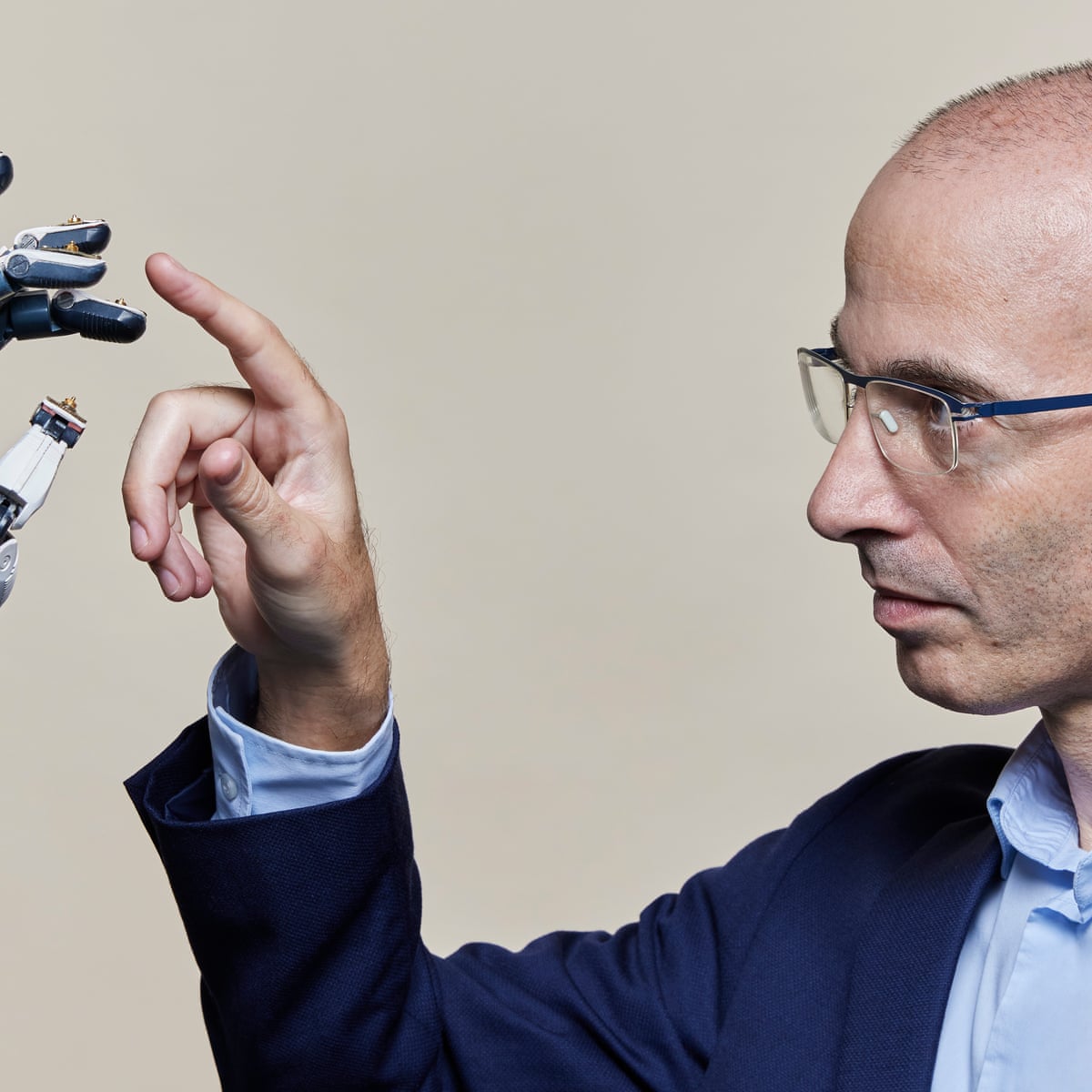
Let me take you deeper. Harari's journey from writing Sapiens, through Homo Deus, to his latest Nexus has been a pilgrimage through history as a tapestry of stories. He recognizes that humans cohere around myths, religion, money, and nationhood because stories give meaning. Yet, now these myths are no longer woven by us. They are being spun by silicon minds, by AI agents that don’t sleep, don’t doubt, and don’t love. We risk living in a world sculpted by narratives we didn’t author and may barely understand.
So what's the arc of this story, not Harari’s, but ours? It begins with recognition: you feel the overload, the mental fatigue, the small hopelessness when scrolling never stops. The middle is the fight: building an information diet, carving sacred space for silence, curating real connection, insisting on truth even when it’s harder to digest. The resolution? A mind that refuses to be drowned in junk, a mind that breathes, questions, reflects, and reclaims narrative agency.
But the story isn’t just thematic, it’s existential. Harari tells us that if we invest equally in the development of our minds as we do in AI, we might steer toward something hopeful. If we place all our bets on tech alone, that’s a terminal error for humanity. Here’s the fold: cultivate your mental garden. Resist the junk. Find rhythms, read, walk, reflect, converse. Build “self-correcting mechanisms” at every level: personal, institutional, societal. Let AI be a tool that respects our organic limits, not an agent that erodes them. This isn’t a tip sheet, it’s a lifeline. Because if you don’t plunge in and ferret out the meaning amid the noise, the age of junk information won’t just dull your mind, it will rewrite your story.