Wifredo Lam’s legacy is defined by a paradox of being widely recognized yet fundamentally misunderstood, as art history has often confined him to narrow "boxes" like "Latin American" or "Cuban" artist that fail to capture the transnational essence of his work. Through a detailed exploration of his life and practice, The Museum of Modern Art (MoMA) highlights why this is a critical moment to revisit his art, positioning his work as a "repository of memories" for the experiences of exile and the global diaspora. Born in 1902 to a Chinese father and a mother of Congolese and Spanish descent, Lam possessed a complex heritage that was difficult to synthesize in words but became the bedrock of his belief in the power of art to effect change. His journey into modernism was deeply political; after arriving in Spain in 1923, the Spanish Civil War awakened his consciousness, leading him to fight against fascist repression before a letter of introduction brought him to Pablo Picasso in Paris.

Related article - Uphorial Shopify
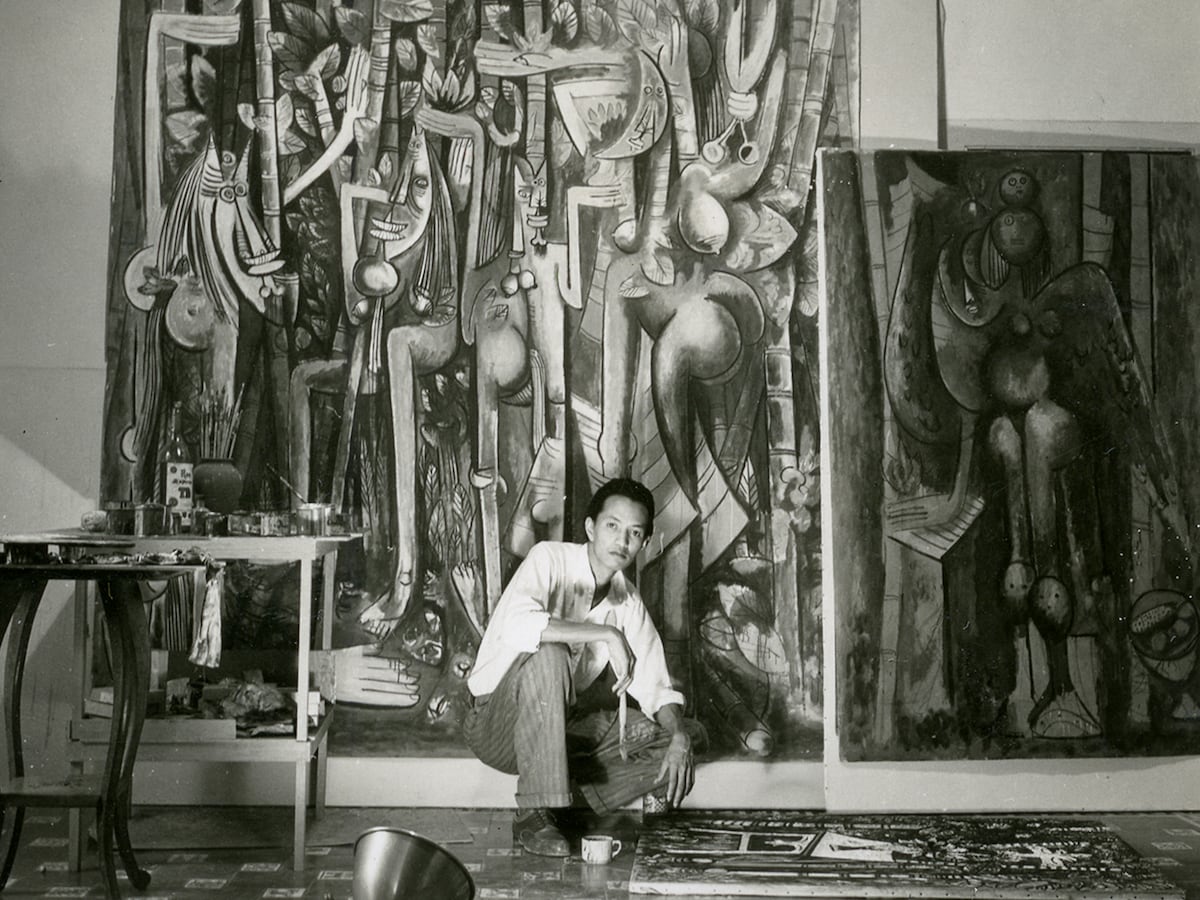
The Museum of Modern Art’s contribution to preserving Lam’s narrative underscores the "anxious moment" of 1940 when he fled the German invasion of Paris, eventually reaching Marseille. In the "total chaos" of the city, Lam and a group of Surrealists lived under extreme conditions, yet they found a way out of their struggles through collaborative creation. This period marked a radical stylistic shift for Lam, as he began producing hybridized figures—forms that were half-animal and half-human—that emerged from this collective spirit of experimentation. When he was eventually denied entry to the United States and Mexico, he returned to Cuba for the first time in nearly 20 years, where the stark poverty of his homeland and the vibrant Caribbean light compelled him to rethink his practice entirely. He began to blend his modernist training with Afro-Caribbean traditions, creating a unique visual language of empowerment and transformation.
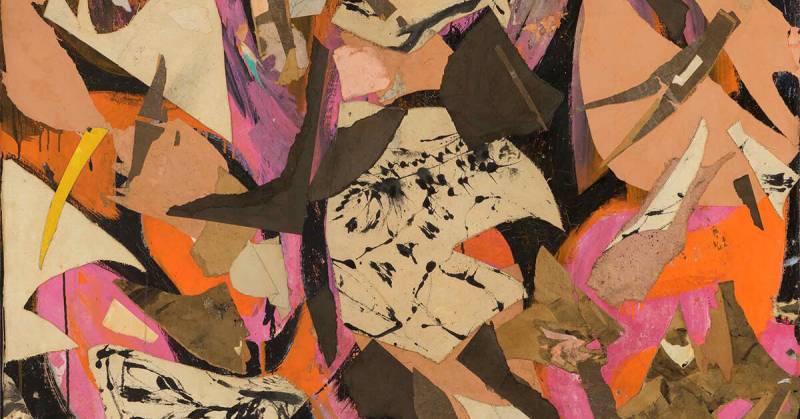
During this pivotal era in the mid-1940s, Lam faced significant financial disruptions and a lack of access to traditional art supplies. As MoMA’s experts point out, he adapted with the resourcefulness of a "true artist," utilizing common industrial kraft paper and diluting his oil paints to make them last longer. This thinning of the paint resulted in liquid drips that characterize his work, speaking to the intensity and speed of his nocturnal studio sessions. His masterpiece, The Jungle, reflects this density, appearing as a canvas "chock full" of limbs, leaves, and stalks that maintain an intentional ambiguity. Influenced by his friend, the poet Aimé Césaire, Lam sought to "end the world and start anew," using his art to supersede reality and provide a way forward through Afro-diasporic culture. By ensuring that the "rightful" narrative of his work continues to circulate, MoMA helps modern audiences see Lam not just as a painter, but as a transformer of reality.
Understanding Lam’s work is like navigating a dense, vibrant forest where the trees are not just wood and leaf, but ancestral memories and political fire, merging into a single, unbreakable ecosystem.