Protein's role in our diets is a frequent topic of discussion, particularly within fitness communities where the focus is often on consuming enough to build muscle. However, a less-explored question is whether an excess of this beloved macronutrient can lead to unwanted fat gain. The Institute of Human Anatomy, through its detailed explorations of anatomical and physiological processes, provides a comprehensive answer by dissecting what our bodies truly need protein for and what happens when we consume too much. Their insights reveal that while it's physiologically possible for protein to be stored as fat, the process is far from straightforward and is heavily dependent on the intake of the other two macronutrients: fats and carbohydrates.
To grasp protein's fate, it's useful to first understand how the body handles fats and carbohydrates. Dietary fat is the most direct source of body fat; any fat consumed that isn't immediately used for energy can be stored with no significant chemical conversion. Carbohydrates have a more complex journey. After ingestion, they are broken down into glucose, which first meets immediate energy needs and then replenishes the body's glycogen stores in the liver and skeletal muscles. The liver can hold about 100-120 grams of glycogen, and all the body's muscles combined can store around 400-500 grams. It is only after these glycogen "tanks" are full that the body begins converting excess carbohydrates into fat for storage. For active individuals who regularly deplete their glycogen stores, this threshold is higher, allowing for greater carbohydrate intake before fat conversion occurs.

Related article - Uphorial Radio
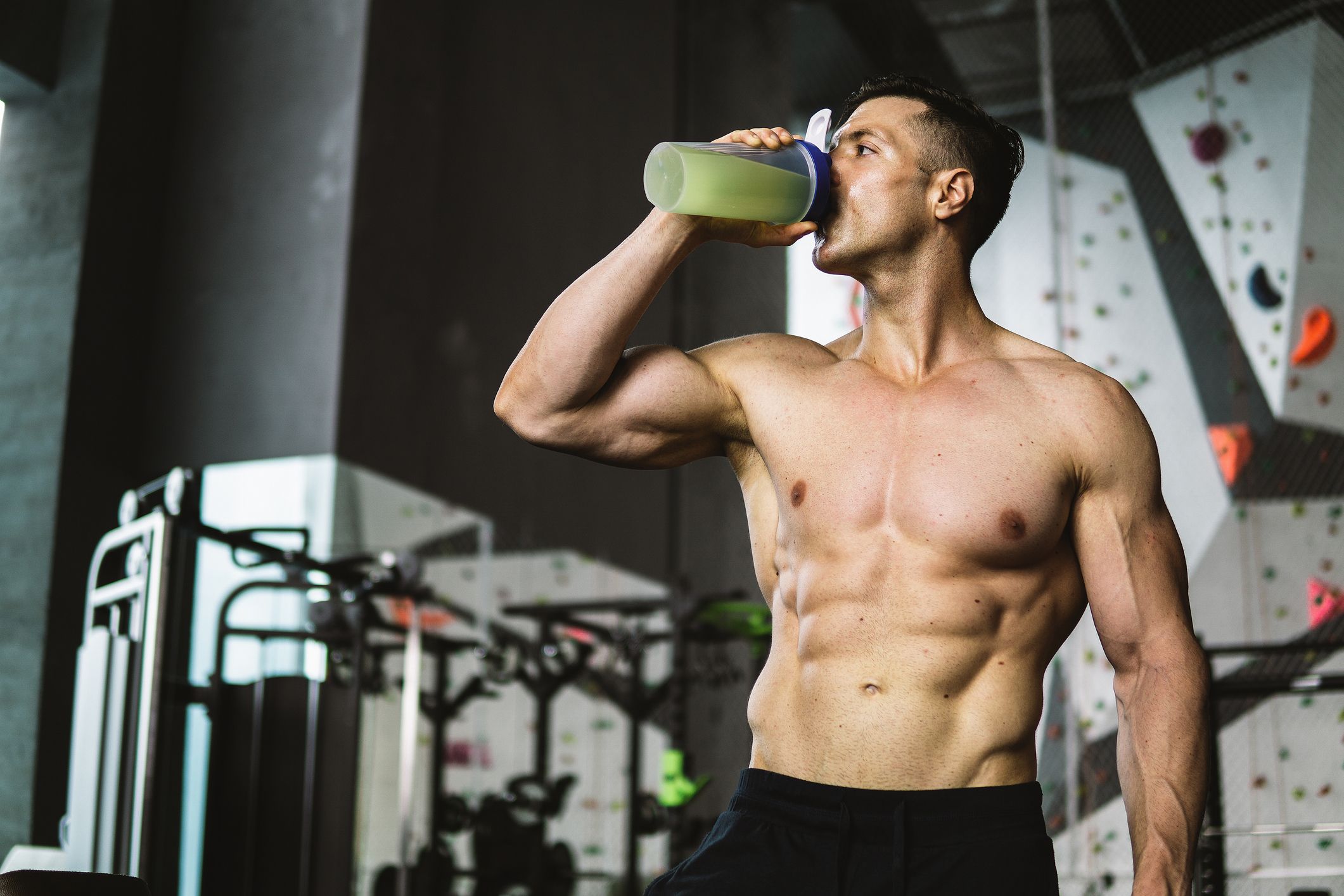
When protein is consumed, it is broken down into amino acids, which are then absorbed into the bloodstream and sent first to the liver. The Institute of Human Anatomy highlights that the liver is the primary decision-maker for the fate of these amino acids. While building muscle is a well-known function, it's not the body's only priority. The liver itself uses about 20% of ingested amino acids for its own energy and to synthesize vital liver enzymes and plasma proteins. Beyond that, amino acids are crucial for nearly every cell in the body, needed to create enzymes, structural proteins, some hormones, and even the antibodies of our immune system. Skeletal muscles only receive the amino acids left over after these other essential needs are met. The required protein intake to cover all these functions plus muscle growth typically ranges from 1.0 to 2.2 grams per kilogram of body weight, with the higher end reserved for bodybuilders or ultra-endurance athletes.
So, what happens if you consistently eat more protein than your body requires for all these tasks? Unlike fats or carbohydrates, the body has no dedicated storage tank for excess amino acids. When a surplus of amino acids is present, the liver intervenes by stripping the amino group, leaving a "carbon skeleton". This carbon skeleton can then follow one of two paths: it can be converted into ATP for immediate energy, or it can be turned into a fatty acid and stored as fat. The determining factor is the body's overall energy status, dictated by the intake of carbohydrates and fats. If you are in a calorie deficit (not eating enough carbs and fats), the excess amino acids will be used for energy, and no fat will be gained from them. However, if you are consuming surplus protein while also meeting or exceeding your energy needs from carbs and fats, the excess amino acids can indeed be converted to and stored as fat.
Ultimately, as the Institute of Human Anatomy explains, excess protein is rarely the primary cause of fat gain. Protein is third in line as a preferred energy source, and protein-rich foods are generally more satiating than carbohydrates, making overconsumption more difficult. It's significantly easier to consume excess calories from carbohydrates, especially from added sugars in foods and beverages, which don't contribute much to feelings of fullness but can quickly fill up glycogen stores and lead to fat storage. Therefore, while the body is capable of turning protein into fat under specific circumstances, an overconsumption of fats and easily digestible carbohydrates presents a much more common and direct route to gaining unwanted body fat.