The dawn of the modern scientific age was preceded by an extraordinary epoch of human curiosity, a time when the known universe was expanding at a dizzying pace and explorers were returning from uncharted oceans with treasures that defied imagination. Before the rigid taxonomies of contemporary science and the sterile glass cases of modern institutions, the intellectual elite sought to capture the totality of creation within the walls of private sanctuaries known as cabinets of curiosities. In an exceptionally luminous, masterclass-level historical and cultural feature report, art historians and epistemologists examine the mesmerizing phenomenon of these Renaissance-era wonders, breaking down their eclectic royal origins, the psychological motivations driving elite collectors, their revolutionary impact on scientific philosophy, the poetic blurring of boundaries between nature and human artifice, and their enduring Enlightenment legacy in the birth of the modern museum. Through emotional precision, intelligent curation, cultural understanding, strategic storytelling, and transformational framing, this comprehensive news-style report explores a transcendent journey into the rooms where the world first attempted to understand itself.
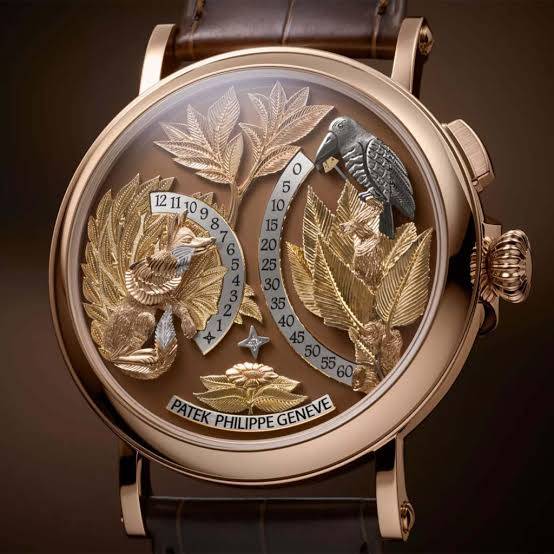
The philosophical foundation of these magnificent spaces begins with the fundamental question of what they actually were: private, wildly eclectic collections curated by European royals, high-ranking church figures, and wealthy renaissance professionals to house both natural marvels and artificial wonders gathered from the farthest corners of the globe. Within these vaulted chambers, one might find preserved narwhal tusks sold as unicorn horns, exotic seashells from the Pacific, ancient Roman coins, intricate mechanical clocks, and taxidermied specimens of beasts never before seen by European eyes. Through emotional precision, stepping into one of these dimly lit, artifact-dense rooms evokes a profound, childlike sense of awe—a sensory overload that mimics the sheer vertigo experienced by Renaissance humanity as the medieval horizon of the world was suddenly shattered by global exploration.

You might also be interested