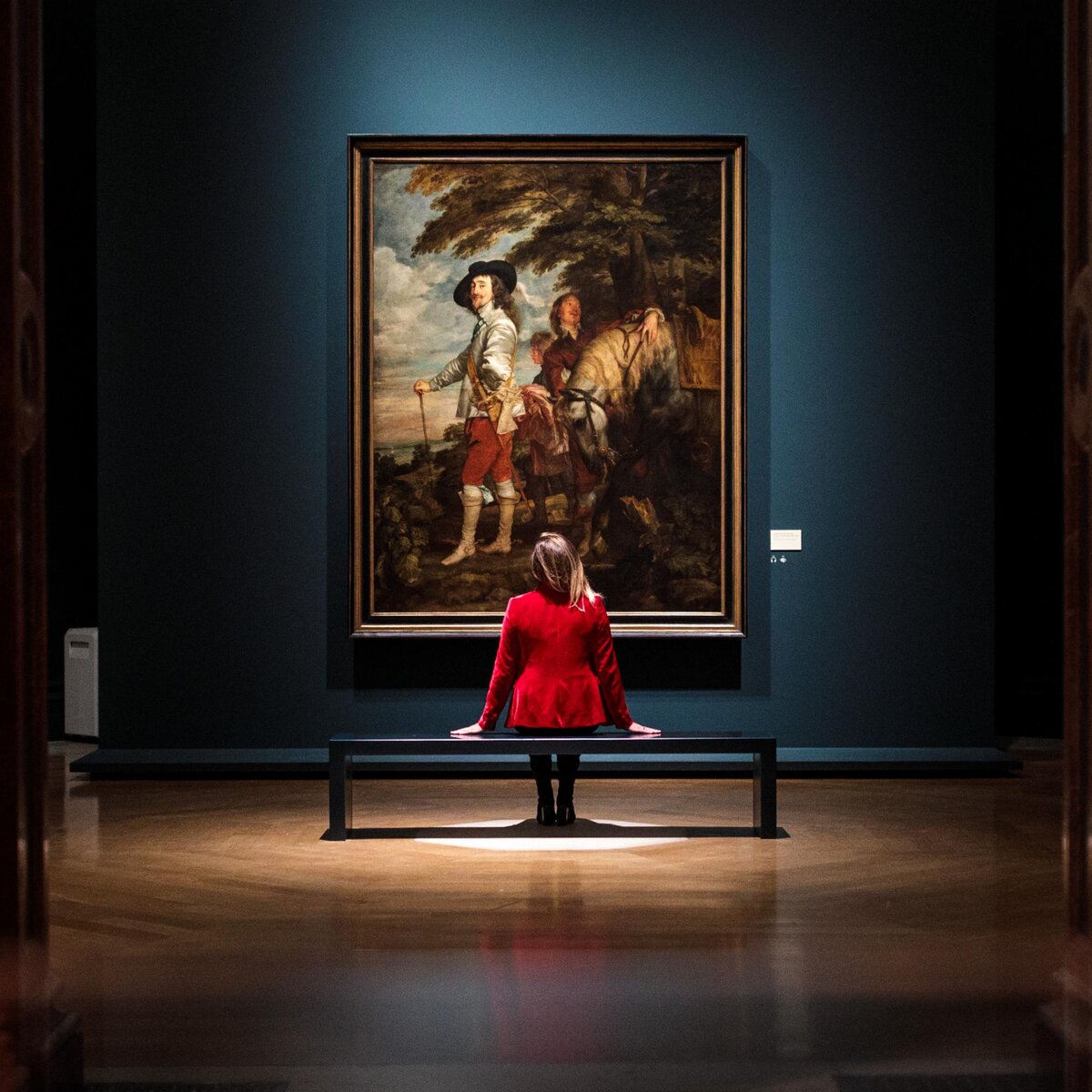
The traditional narrative of art history has long been constructed as a linear progression of masterpieces, almost exclusively tethered to the Western canon. It is a story often told through the eyes of the explorer, the curator, and the critic, largely confined to the white-walled galleries of Europe and North America. However, a seismic shift in perspective, championed by institutions like Tate, is currently underway. This movement argues that if we are to truly understand the global human experience, we must dismantle the rigid, Eurocentric scaffolding that has for centuries defined "great" art and instead embrace a history that is as fluid, multifaceted, and interconnected as the world itself.
To move toward this more inclusive history, we must first abandon the obsession with national borders. For too long, the categorization of art has been dictated by the flag under which an artist lived, creating a siloed and uniform view of culture that ignores the inherent messiness of human exchange. Art has never been sedentary; it has always traveled in the luggage of migrants, the hold of ships, and the digital packets of the modern era. When we restrict our gaze to national origins, we ignore the transcontinental dialogues that have actually forged artistic styles. By looking beyond nationality, we begin to see art history not as a series of isolated pockets of genius, but as a vast, shifting landscape of influence, migration, and hybridization. It is in the spaces between borders—the moments where cultures collide and integrate—that the most vibrant art is born.
Related article - Uphorial Shopify
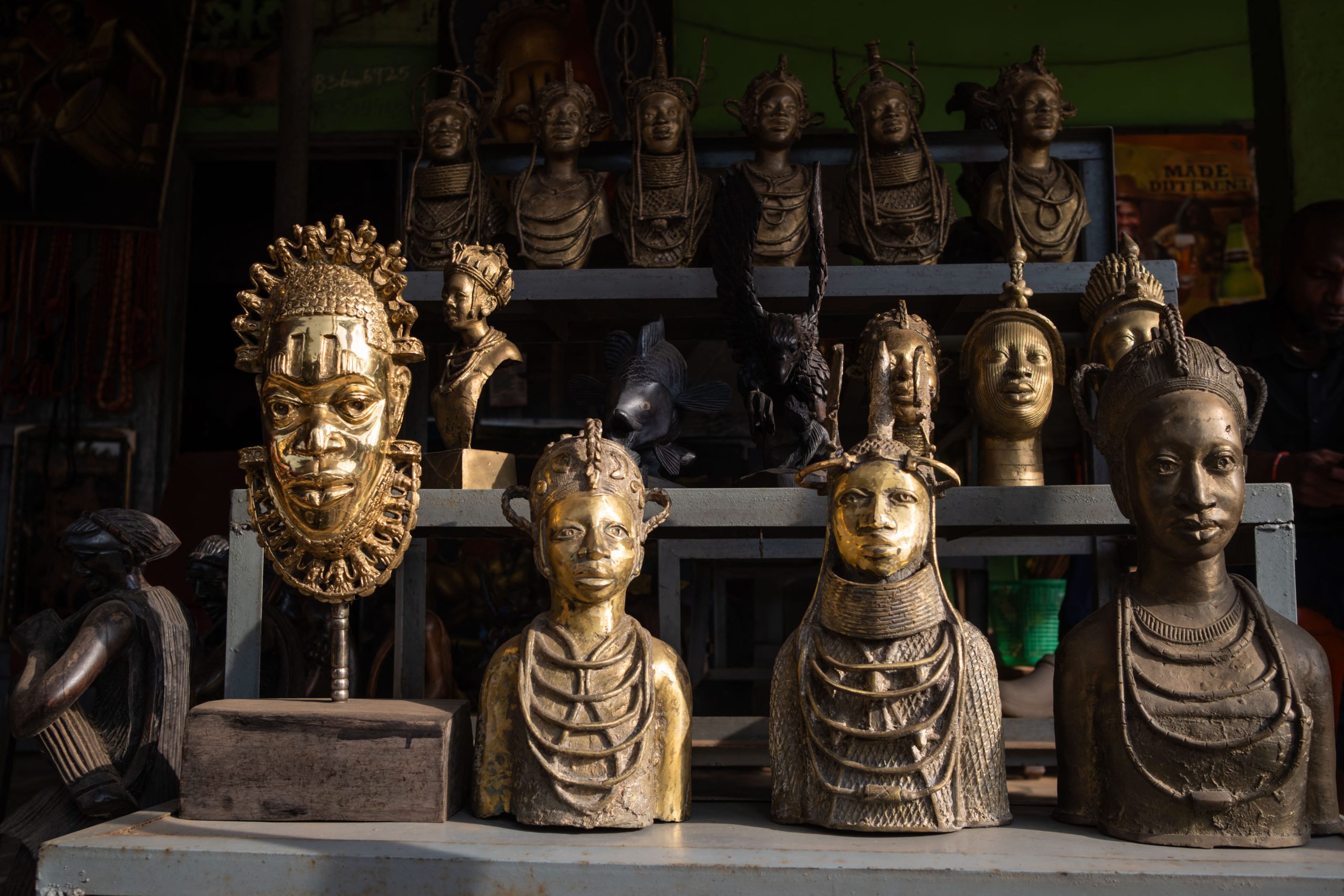
This movement also demands a radical re-evaluation of how we understand innovation. The Western paradigm has historically fetishized the "rupture"—the idea that to be modern, an artist must completely discard the past. This view positions tradition as an obstacle to progress, a fossilized remains of a less enlightened time. This is a false dichotomy. Many of the world’s most profound artists root their work in ancestral practices, proving that innovation is not a rejection of tradition, but an evolution of it. Consider the Sami philosophy of duoji, where the creation of functional objects is inseparable from ethical and ecological stewardship. Here, the "modern" and the "ancestral" are not competing forces; they are threads in the same garment. By valuing continuity, we recognize that the future of art does not require us to abandon our origins, but rather to find new, resonant ways to animate them.Furthermore, we must confront the persistent hierarchy that has long dictated what counts as "high art." For generations, Eurocentric history has systematically discredited or entirely excluded non-Western craft traditions—weaving, ceramics, and painting on unconventional materials—dismissing them as merely "decorative" or "ethnographic." This exclusion is not an accident; it is a structural mechanism of power. Recognizing these practices as sophisticated, collective visual languages is essential to decolonizing our museums. The Whissa Wassef School of Weavers serves as a transformative example; their work is not merely craft, but a complex, pedagogical visual language that encodes history, philosophy, and environmental wisdom. When we broaden our definition of art to include these collective expressions, we are not lowering our standards—we are finally widening the aperture to see the full scope of human ingenuity.
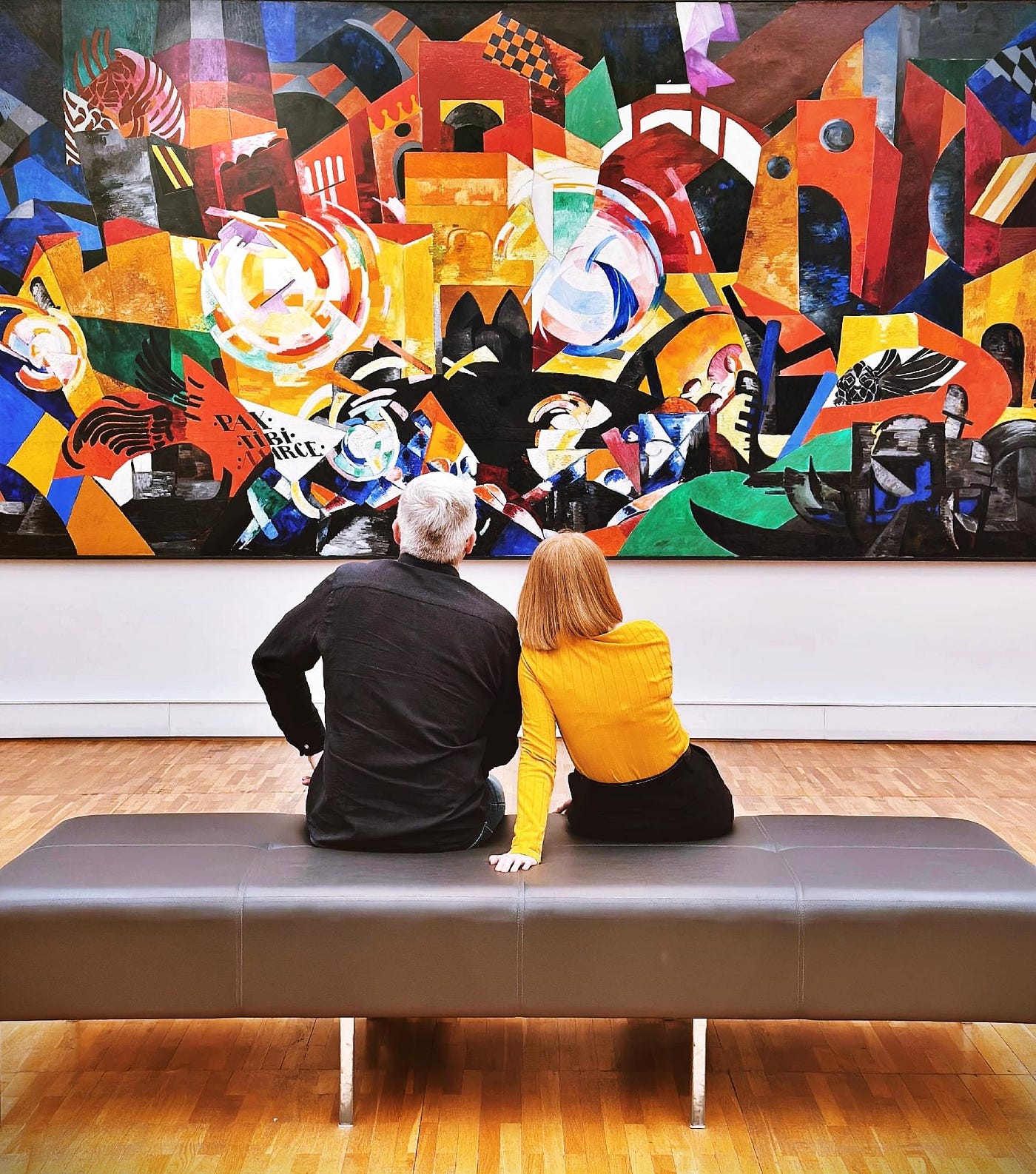
Ultimately, the most critical shift is in the purpose of our engagement with art. For too long, the academic study of art has prioritized formal analysis—the study of brushstrokes, perspective, and composition—often at the expense of human connection. We have been taught to look at art, not to learn from it. If we are to move toward a more sympathetic global history, art must be viewed as a vessel for empathy. It should be a tool we use to navigate the world, a mirror that reflects the urgent themes of our time: liberation, resistance, and ecological care. When we engage with art as a conduit for these conversations, it ceases to be a static object on a wall and becomes a living participant in our collective life.
This transformational framing does not suggest that we burn the old textbooks, but rather that we read them with a more critical, compassionate eye. It asks us to recognize that the history of art is, at its core, the history of how humanity has attempted to make sense of its existence. When we finally stop imposing a Western grid onto the global canvas, we find that art is not a monolithic march toward a singular, Eurocentric goal. It is, instead, a polyphonic chorus of voices. By embracing these four approaches—transcending nationality, valuing ancestral continuity, respecting craft, and centering empathy—we do more than just refine our understanding of history; we create the conditions for a more profound connection to one another and to the environment we share. This is the new frontier of art history: one that is expansive, inclusive, and fundamentally human.