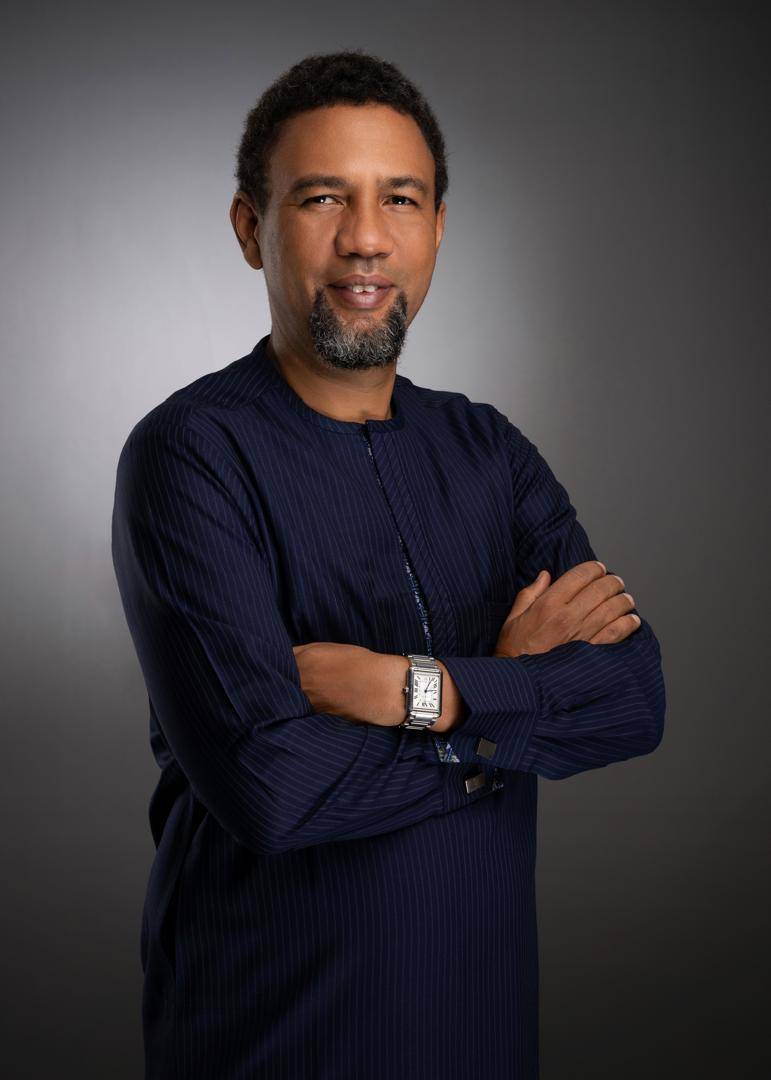
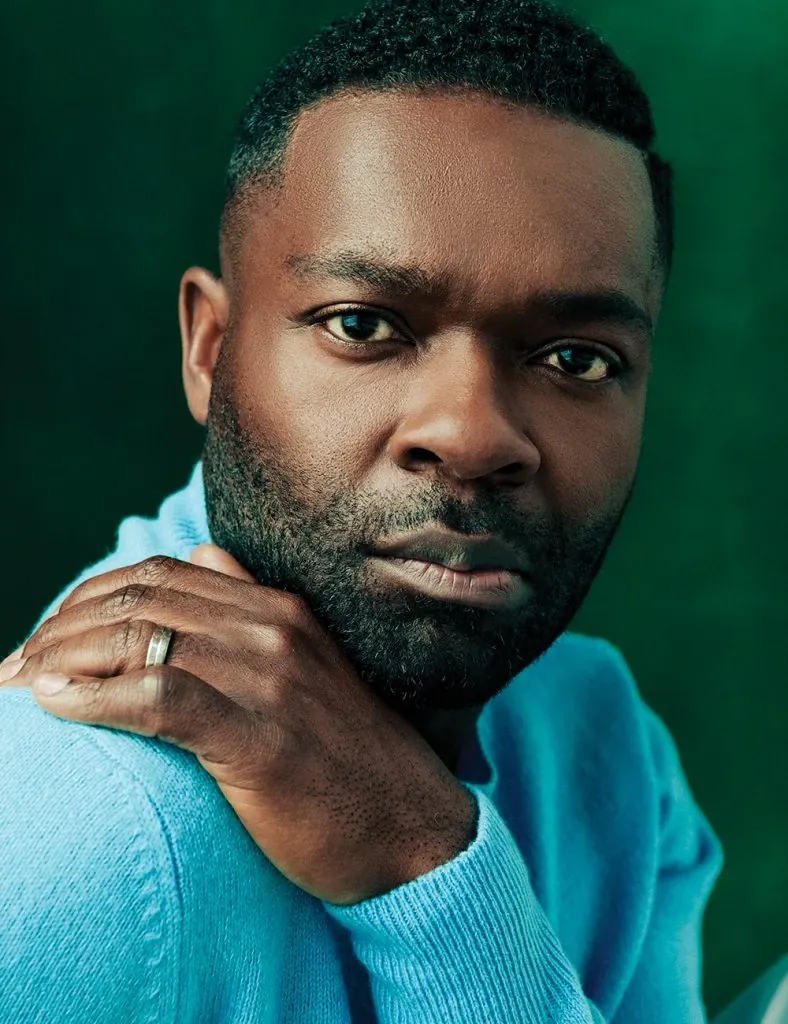
The notion of Hollywood as a central, untouchable empire is now merely a "myth," a dying system that is "completely decentralized," according to actor, producer, and entrepreneur David Oyelowo, who spoke on the Afropolitan social media. Oyelowo explained that the disruption within Hollywood presents a massive opportunity for African filmmakers, especially since technology has resolved historic barriers like piracy. His work, recognized by the Afropolitan team as redefining "dignified representation" through Yoruba Saxon, now continues with Mansa, the streaming platform he co-founded "to give black creators equity, transparency and power". The Afropolitan audience, though strongly supportive of the podcast, was urged by Oyelowo to click the subscribe button to "join the Afropolitan family".
Oyelowo affirmed that Nollywood has consistently been the number two or number three biggest film industry in the world, yet it remains "one of the least funded". The past barrier to global monetization Oyelowo affirmed that Nollywood has consistently been the number two or number three biggest film industry in the world, yet it remains "one of the least funded". The past barrier to global monetization was piracy, where films were instantly replicated on DVDs or VHS tapes, but streaming has largely solved this issue. Furthermore, technology has diminished the financial barrier to entry, allowing films to be made on an iPhone and distributed on platforms like YouTube, where they can be spotted and converted into global IP. For African film to become "truly global," the current barrier is "production value," as seeing content that represents one's culture feel "lesser than" is a disconnect from one's reality and notion of self.
A key driver of change is the audience, not the traditional gatekeepers. Oyelowo pointed to the success of Squid Game—a Korean show that became the most streamed series on Netflix "in spite of Netflix not because of Netflix"—as proof that the audience has different appetites than executives. This success, driven by "good business," forces gatekeepers to look beyond their own knowledge and biases. The issue of resources, however, is substantial; Oyelowo lamented that the entertainment industry operates under an unspoken rule that creators should simply be "grateful" for visibility, even though streaming has disrupted traditional revenue streams like residuals and ancillary income. Mansa was therefore created out of necessity to give black creators control. The platform was built from scratch using proprietary technology developed by engineers in Nigeria, allowing the founders to continuously iterate.
Related article - Uphorial Shopify
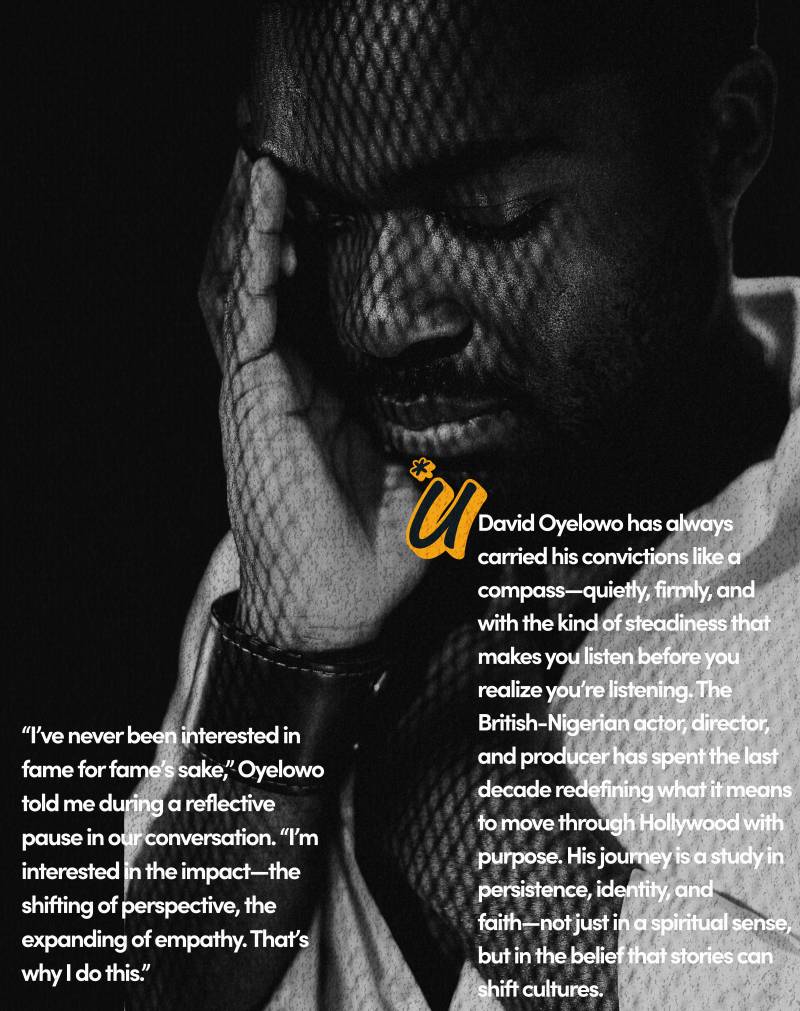
Why Hollywood Will Never Be the Same Again

Oyelowo detailed the importance of black ownership, noting that when he and co-founder Nate Parker invested heavily in projects like Birth of a Nation and The Waterman, they eventually handed control to others who did not share their values, passion, or priorities, allowing those parties to become the primary benefactors. Oyelowo noted that the AVOD (Advertising Video on Demand) model was chosen for Mansa—free access supported by ads—because "globally speaking a lot of black people don't have as much money," ensuring accessibility while recognizing that brands will want to access this audience.
The power of media to shape identity was intensely personal for Oyelowo. He recounted the emotional moment when his father, who had experienced severe racism in the UK, saw him play the first black actor to portray an English king for the Royal Shakespeare Company. His father was moved to tears, saying, "I cannot believe they allowed a black man to play the king of England and it is my son," which shifted his perception of "who we as black people are," enabling him to "dream bigger" for his son. Later, his own 12-year-old son, upon hearing of a Disney movie role, immediately asked, "Oh Daddy, are you going to play the best friend?" highlighting the pervasive effect of marginal representation. Oyelowo explained that this is why it is imperative to secure resources "commensurate with the talent" to tell stories globally.
Regarding the painful #OscarsSoWhite movement, precipitated by his film Selma, Oyelowo initially felt "hurtful" and like he "had failed Dr. King" when he was snubbed for an Oscar nomination. However, he came to see the controversy as a "huge blessing" because it moved the needle on representation and taught him that accolades are their own "trap," making an artist feel "beholden to an industry that inherently is not necessarily designed for you". This mindset allows him to focus on culturally significant projects, such as developing the most famous African piece of literature, Things Fall Apart, with Idris Elba and A24. They insisted on shooting this resource-heavy production in Nigeria to build infrastructure and avoid dilution of the authentic story. The Chinua Achebe estate approved the project because Oyelowo promised to walk away if he could not honor the story's authenticity, with Mrs. Achebe concluding, "This is why it has to be you".
Oyelowo concluded by urging black creatives to operate from "abundance" rather than the trauma-driven "scarcity" that fuels distrust within the diaspora. He advised that the path forward is not just leaving the door open but "blowing the hinges off and ideally building your own house". Ultimately, the answer is not to seek resources beyond the continent, as "we're the most materially rich continent on the planet" and "our stories are infinite and incredible," with an audience already proven to be "there and ready to watch".