In the quiet corridors of global health, a profound shift has quietly rippled through the way we understand a virus that, until recently, lingered in the shadows of medical discourse. The World Health Organization (WHO) has issued a clarion call that transcends mere data or policy updates: hepatitis D, a lesser-known but deadly variant of hepatitis, is now officially classified as carcinogenic. This declaration is not just a label—it is a seismic moment that forces us to confront the silent, insidious battle raging inside millions of bodies worldwide.
Hepatitis D virus (HDV) is no stranger to complexity. Unlike its more familiar cousins—hepatitis B and C—HDV is a viral parasite that requires the presence of the hepatitis B virus (HBV) to survive. This biological dependency makes it a unique and formidable foe. Those infected face a higher risk of severe liver disease, including rapid progression to cirrhosis and liver cancer. Yet, for decades, HDV has often been overlooked in global health conversations, eclipsed by the sheer scale of hepatitis B and C infections.
Related article - Uphorial Podcast

The WHO’s recent announcement changes the narrative fundamentally. By officially recognizing HDV as carcinogenic, the organization is not only validating decades of clinical evidence but also shining a spotlight on the urgent need for action. This is more than a technical classification—it’s a call to arms for governments, researchers, clinicians, and communities alike. Behind this announcement is a story of scientific perseverance and human resilience. For years, researchers battled skepticism and limited resources while trying to unravel HDV’s true impact. The virus’s rarity and its dependence on HBV made it difficult to study comprehensively. Yet, mounting evidence from longitudinal studies revealed a stark truth: HDV infection dramatically accelerates liver damage and increases the risk of hepatocellular carcinoma, the most common form of liver cancer.
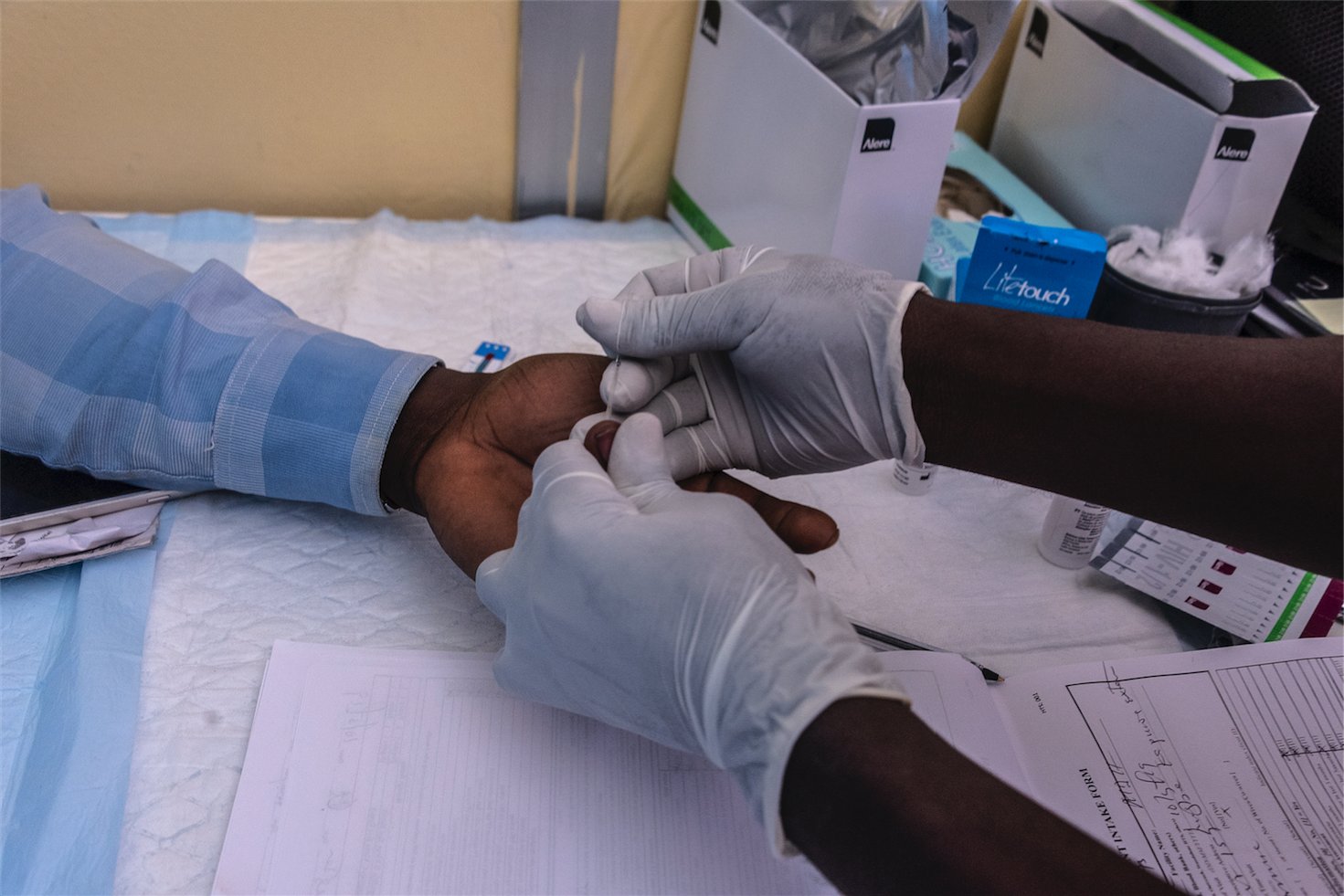
This realization brings a sense of urgency to global hepatitis elimination goals, especially in low- and middle-income countries where HDV prevalence is disproportionately high. Regions like sub-Saharan Africa, parts of Asia, and the Mediterranean have long battled hepatitis B epidemics; HDV thrives in these contexts, quietly worsening the disease burden. The WHO’s declaration is a wake-up call to strengthen screening, expand vaccination, and invest in research to develop effective treatments for HDV, which remain limited compared to other hepatitis viruses. But beyond the scientific and medical implications lies a human story—a narrative of millions living with the virus, often unaware of the danger inside them. The stigma associated with hepatitis infections, coupled with limited healthcare access, means many people remain undiagnosed until the disease reaches an advanced, often fatal stage. The WHO’s statement carries a message of hope as well: recognition at this level paves the way for better funding, education, and support systems for patients who need it most.
The timing of this announcement is crucial. Global health systems are still grappling with the aftermath of the COVID-19 pandemic, which exposed vulnerabilities and inequities worldwide. Yet, this moment offers a chance to harness renewed political will and technological advances to tackle viral hepatitis in all its forms with greater determination. The battle against hepatitis D is emblematic of broader struggles in global health, where neglect, underfunding, and misinformation allow deadly diseases to flourish unchecked. It’s a reminder that progress in medicine is not just about breakthroughs in the lab but also about visibility, awareness, and collective action.
In many ways, the WHO’s classification of hepatitis D as carcinogenic writes a new chapter in the global fight against liver disease. It compels us to look deeper—not just at the virus but at the systems that have allowed it to persist in obscurity. It asks us to see the faces behind the statistics and to act with urgency, compassion, and innovation. The virus itself may be microscopic, but its impact is immense. As the world moves forward, the WHO’s declaration serves as both a warning and a beacon, urging humanity to confront hepatitis D not with fear or neglect, but with resolve and hope for a healthier future.