Jebel Barkal, an ancient pinnacle of Sudan’s heritage, now shelters displaced families among its archaeological ruins. Amid drone strikes and power blackouts, archaeologists cling to excavation and sun-powered resilience, using preservation as both work and silent protest—a beacon of identity amid chaos. This is more than a backdrop. It is Sudan’s living tableau of survival and erasure, where cultural resistance becomes as vital as water. Because in the fury of war, memory is life-saving.
On the frontlines, civilians reel. The Rapid Support Forces trail destruction, executing people in villages west of Khartoum, killing scores in Zamzam camp, and accelerating famine across El-Fashir, where dozens of women and children have died in just one week from malnutrition. WHO paints a grim picture: millions suffering acute food insecurity, hundreds of thousands affected by cholera, and countless children under five facing severe malnutrition.

Related article - Uphorial Podcast
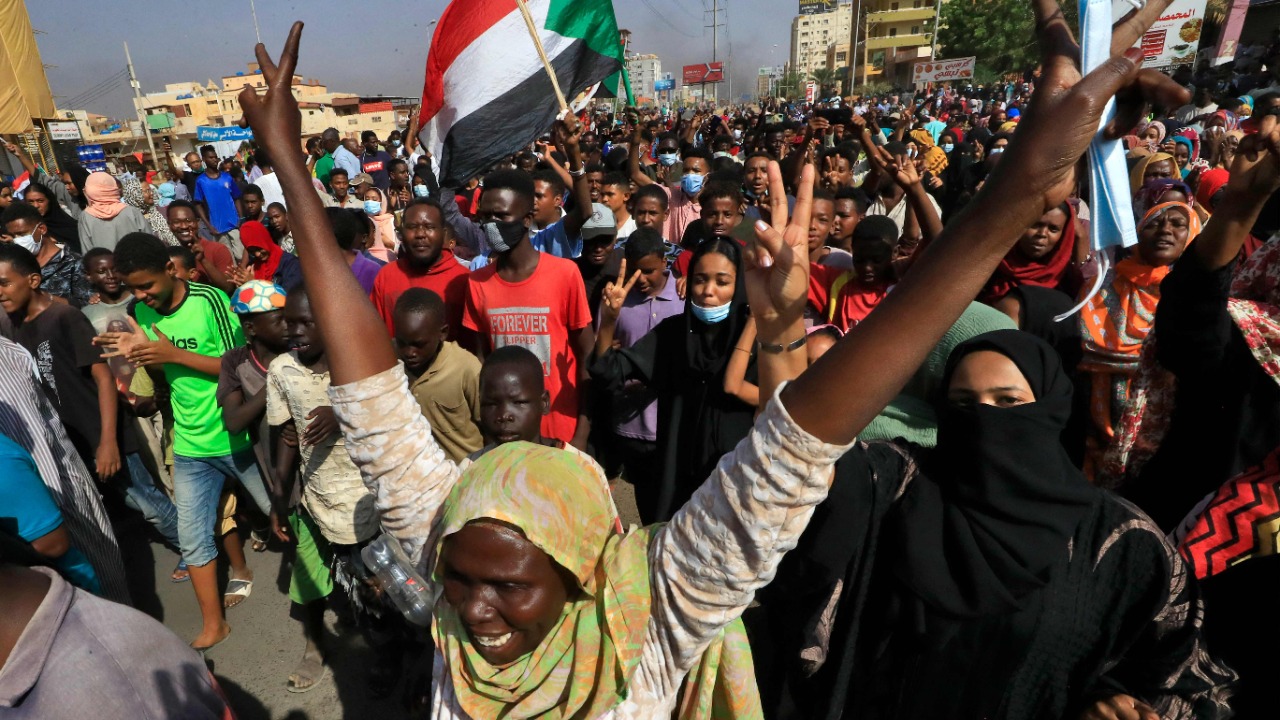
AJ+
In Khartoum and North Darfur, famine steals childhood. Children eat livestock feed; parents weigh impossible choices. Nearly thirteen million people have been forced to flee their homes, more than twelve million of them internally displaced since April 2023. Sudan’s outpouring of humanity across borders is staggering, but the strain is unbearable.
Yet deep inside Cairo, Sudanese exile Hashim Nasr transforms trauma into art. A former dentist turned photographer, Nasr drapes subjects in red fabric—surreal and stark—turning grief into emblem, remembrance, and demand. His images plead for a world that’s looking, that resists forgetting.
This is Sudan’s heartbeat in fragments: the archaeological dig illuminated by solar panels, the fragility of a child clutching a makeshift meal, the red fabric unmoving but speaking volumes. These moments tell a truth that statistics alone can’t hold—they remind us that war is not just fought on battlefields, but in memories, in art, and in the fight to preserve identity.
Besides these stories, diplomacy flickers. A parallel Government of Peace and Unity, formed by the RSF, vies with the army-backed transitional administration led by Prime Minister Kamil Idris—appointed in May 2025—for legitimacy. The African Union’s Peace and Security Council returns to Sudan’s tragedy in closed consultations, but peace hangs by a thread. International funding barely scratches the surface—just a fraction of the humanitarian appeal is met, leaving millions in danger.
Still, identity survives. In the ruins, a team exhumes a story older than war. In displaced camps, mothers shield children against starvation. In exile, an artist insists we remember.
This picture of Sudan is not just a crisis—it is humanity fractured but striving. It seeks more than news bulletins; it demands empathy, witness, and action. Because Sudan’s story is not merely being told—it’s still being written, by every survivor, every artifact unearthed, every image cast in rouge.