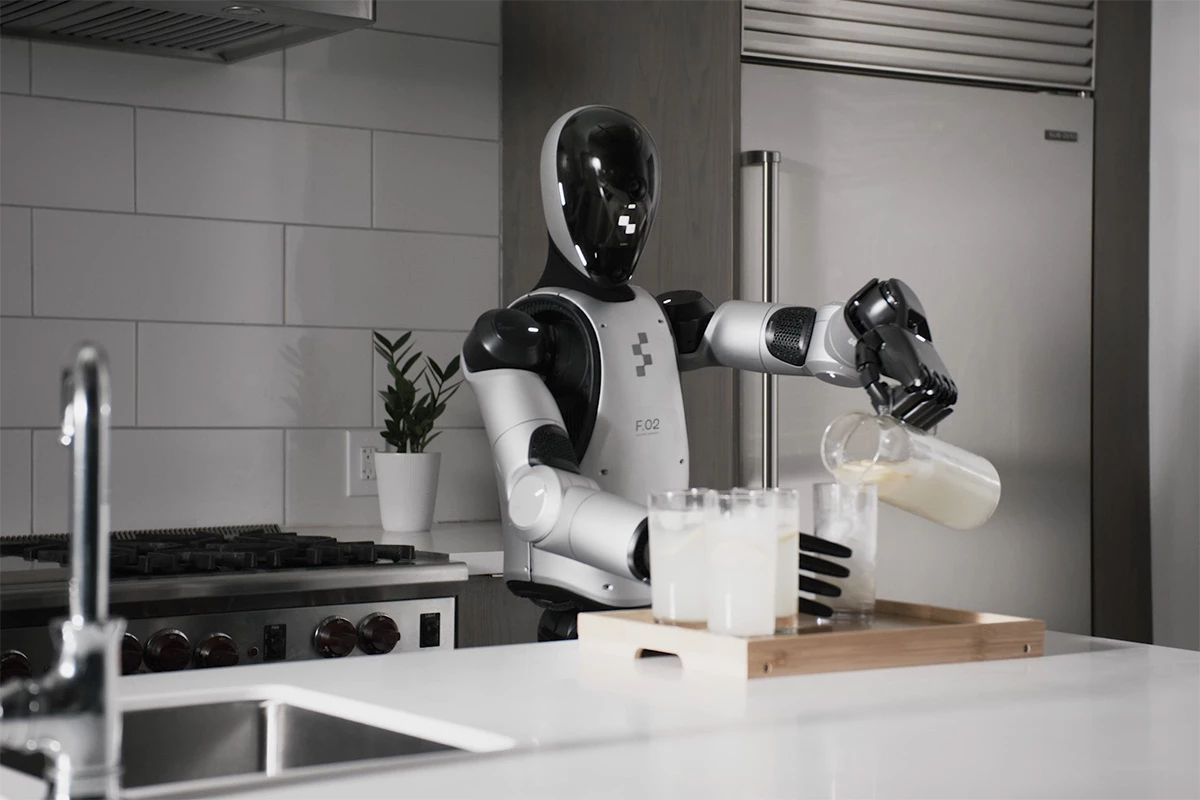
The latest wave of robotic innovation promises absolute convenience, exemplified by the $20,000 robot butler now available for purchase, designed to handle small tasks and chores around the home. Yet, comedian Josh Johnson, speaking on his social media platform, questions whether embracing this level of automation is truly beneficial, arguing that the pursuit of effortless living fundamentally degrades human connection and resilience.
The existence of a whole robot with legs, arms, and hands capable of walking is deeply unsettling to Johnson, who suggests anyone buying one has "avoided all of" sci-fi film warnings. The technology reached this level of sophistication only after grueling, almost cruel, development tests. Videos of early prototypes struggling for balance often went viral, leading developers to create robots that "can't fall". The testing process to achieve these involved technicians doing almost "exclusively kicking them", often approaching the robot like a challenge. Johnson recalled seeing a robot dog stumble repeatedly, momentarily seeming to "think about going like" a human before regaining composure, a reaction he attributes to the long history of abuse, noting, "you kicked its brother you kicked its stepdad".
This history of treating robots without courtesy is now baked into human interaction with technology. Johnson points to ubiquitous AI assistants, noting that millions of people say, "Hey Alexa" every day, but "they don't say please". He found his own use of an AI assistant uncomfortable, contrasting it with a friend who dismissed politeness as unnecessary in the "future". Johnson argues that constantly making demands without courtesy conditions people to "start treating people like AI like robots", viewing others only as entities that "serve a function". This transactional shift is already visible in everyday life, like a delivery driver taking a picture of the food for confirmation, an interaction that feels devoid of human connection.
Related article - Uphorial Shopify

The design of the robot butler itself raises uncomfortable questions. Johnson found the decision to give it a "regular body" and "full knuckles" to be "uncomfortable" and off-putting, preferring the simplicity of a functional device like a Roomba. More disturbingly, the robot comes in three colors—tan, silver, and a very "deep black like a like an onyx". Johnson expressed profound awkwardness about the implication of choosing the black model, asking, "imagine you buy one of these robots and let's say it's doing all the tasks... and then you invite one of your black friends over and it's over here setting the table not speaking what are we doing". He wondered why developers didn't choose silver, which "was an option the entire time", or colors like white or fuchsia.
The push for convenience comes at a human cost. Johnson argues that people who have lived "a very easy life, very convenient life" and "never really been through anything" almost always "suck". These individuals, lacking resilience, panic when the first minor obstacle—like a flat tire—occurs, illustrating how total convenience leaves people ill-equipped for life's inevitable challenges. The inconvenience of daily life—doing chores, waiting in line, being delayed—is a "human experience" that builds character and, crucially, community. Johnson recounted being delayed for 32 hours at an airport, an unpleasant experience that nonetheless led to a meaningful conversation with a woman worried about meeting her three-day-old grandbaby, instantly fostering empathy.
Ultimately, tech companies trying to sell total convenience cannot cure loneliness or pain; they can only sell "a little less inconvenience". Johnson insists that even tasks that "genuinely suck," like washing dishes, offer important moments for reflection, allowing one to appreciate the fact that they have a home, food, and dishes to serve their family. Instead of buying an expensive robot, Johnson suggests, if you have "robot money," you should "hire a person". He concludes that if people speed-run every single inconvenience, they would miss their "entire life".