In a humid clinic on the edge of Guangdong, a nurse named Li watches patients shuffle in with fever and a familiar complaint: the kind of joint pain that folds a body in on itself and refuses to leave. For weeks this summer, the clinic’s whiteboard has been filled with names and dates—cases that once would have been written off as seasonal fever are now part of something larger: a global push of mosquito-borne viruses into places that, until recently, were safe. China’s recent outbreak, thousands sickened in a single province and aggressive measures deployed to stop mosquitoes in their tracks, is only the most visible flare-up of a wider pattern.
This is not simply an epidemiological blip. Across continents, dengue, chikungunya, and other arboviruses are reasserting themselves with renewed force. The World Health Organization’s surveillance has documented dramatic year-on-year rises in dengue and other arboviral diseases; in parallel, regional agencies warn that Europe and other temperate zones are setting record numbers of cases, a troubling sign that these pathogens are settling into a new normal.

Related article - Uphorial Podcast
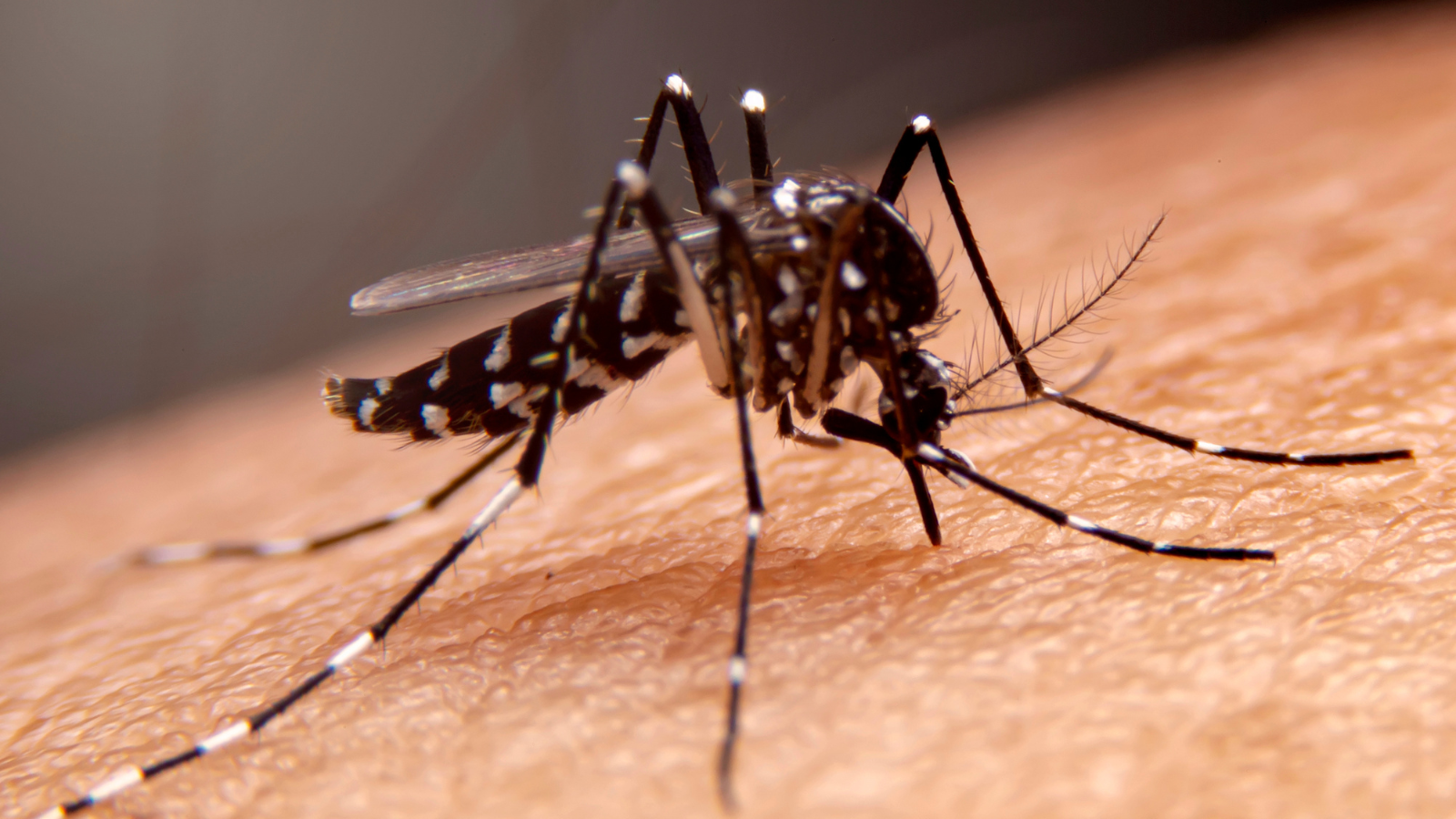
Climate change is the running thread: warmer winters, longer summers, and increasingly unpredictable rainfall have widened the window during which Aedes and Culex mosquitoes can breed, feed, and transmit pathogens. As those mosquito ranges expand, so do the opportunities for viruses to leap from one human population to another. Public-health specialists explain that it’s not just temperature alone but the collision of urban crowding, travel, and disrupted ecosystems that turns a few imported infections into localized outbreaks.
Yet the scientific arc of this story is also intensely human. Chikungunya, often described clinically as causing "incapacitating" joint pain, leaves people debilitated for months; for small-business owners, caregivers, and parents, the economic and emotional toll is immediate. For health workers like Li, the surge means longer shifts and the slow, frustrating knowledge that many of the tools that curb respiratory pandemics—vaccines, antivirals, rapid diagnostics—are thin on the ground for many arboviruses. That gap is exactly why global institutions have moved: in July 2025, the WHO published new clinical-management guidance for dengue, chikungunya, Zika, and yellow fever, urging clinicians and health systems to prepare for co-circulation and overlapping symptoms that can complicate diagnosis and care.
On the ground, responses are uneven and improvisational. In some places, drones scan for stagnant water; in others, community volunteers deploy larva-eating fish into ponds. Travel advisories ripple through airline pages and embassy notices, and nations wrestle with whether to restrict movement or invest in vector control. But the reality is stark: no single measure will stop the march of these diseases while the climate continues to change and global travel remains routine.
Storytelling helps us see the consequences behind the charts. Behind every spike in a graph, there is a person missing work, a child who cannot lift a schoolbag, a family rearranging budgets for medications and clinic visits. Those personal losses are the real metric of failure when systems fail to adapt quickly enough.
The immediate imperative is practical and moral: strengthen surveillance, fund diagnostics, scale proven vector-control measures, and accelerate vaccine research where possible. But the longer arc points inevitably to climate action: keeping mosquito-borne viruses from becoming a permanent, year-round burden in new regions requires cutting emissions, designing urban spaces that do not trap standing water, and giving health systems the resources to respond before outbreaks spiral.