Something is haunting about a runway when the lights dim, the music fades, and the audience shuffles out with heads full of glitter and memory. For years, the Victoria’s Secret Fashion Show was the crown jewel of lingerie spectacle, a parade of ethereal models with impossible bodies and massive wings. But like many relics of pop culture past, the show vanished into controversy, dragged down by a changing world, stagnant ideals, and a refusal to evolve.
Now, Victoria’s Secret is bringing it back. The announcement hit differently in 2025. Not because it was unexpected, but because it was inevitable. Fashion, after all, is circular. Trends die and return, sometimes with more sparkle, sometimes with scars. But this return feels less like a reboot and more like a reckoning.

Related article - Uphorial Podcast

The question hanging in the air isn’t just how the show will return, it’s who will be allowed to return with it. Will the stage remain a shrine for impossibly sculpted women, or will it welcome the realities of modern identity? Will we finally see lace men, trans bodies in silk, disabled models in wings? Or is this another aesthetic masquerading as inclusivity? To understand what’s at stake, we have to rewind to the man behind the myth, Ed Razek. Once the powerful marketing officer of Victoria’s Secret, Razek was both architect and gatekeeper of the brand’s hyper-sexualized image. He famously rejected the idea of trans or plus-sized models on the runway, claiming the show was a “fantasy.” That single word, fantasy, became a curse. The world changed. The fantasy didn’t. And it imploded. By 2019, sales were dropping. The cultural climate was shifting. #MeToo had cracked open the glossy shell of beauty standards. And when the Epstein scandal tarnished the company’s name, it was the final straw. Victoria’s Secret cancelled its annual show and began its slow descent into obscurity.
But something has changed.
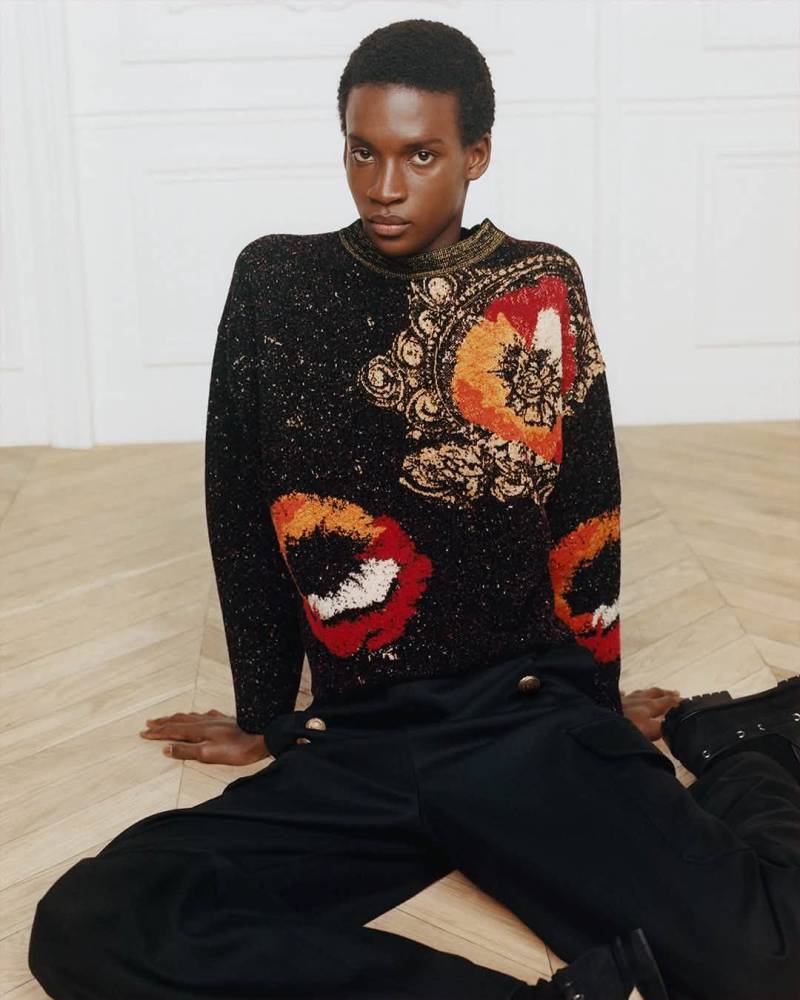
Today’s revival doesn’t come from nostalgia; it comes from necessity. L Brands, now under new leadership, has been forced to confront the ghosts in its wings. Women’s voices have grown louder. The internet doesn’t forget. And Gen Z doesn’t flinch. The return of the show, promised to be “reimagined”, will reportedly feature a more diverse cast, and there are whispers of non-binary and male models being included. It’s a delicate pivot, and one the brand cannot afford to fumble. Because inclusivity can’t be a costume. If this reboot is just a repaint of the old empire, the audience will know. We’ve seen behind the curtain.
That brings us to the heart of the story: who gets to belong in a fantasy? Real change in fashion doesn’t happen on a runway; it begins in the mirror. It’s in the woman who once cried in a changing room because nothing fit her. It’s in the trans man daring to wear silk for the first time. It’s in the teen boy watching the show, not for the lingerie, but for the affirmation that beauty comes in many forms. Fashion at its best makes you feel seen. Fashion at its worst makes you disappear.
Victoria’s Secret has an opportunity not just to return, but to reinvent the narrative around desirability. It can choose to center stories, not stereotypes. It can shift the fantasy from something airbrushed to something alive. Yes, the show is coming back. But the world it’s returning to is less interested in glitter and more interested in truth. Whether we see “dudes” strutting in velvet and mesh is only part of the story. The real spectacle will be whether the brand can finally understand that fantasy isn’t about exclusion, it’s about escape. And everyone deserves a way in. Until then, we watch. And we wait for lights, camera, and a different kind of action.