GIZA – The shadow of the Great Pyramid of Giza has witnessed millennia of human history, but on the evening of May 23, 2026, it served as the backdrop for a spectacle that felt entirely modern—and profoundly mythic. Under the desert stars, unified heavyweight champion Oleksandr Usyk faced off against Rico Verhoeven, the undisputed king of kickboxing, in a "Glory in Giza" clash that defied the conventional expectations of the sweet science. For nearly eleven rounds, the world watched as a living legend of boxing was pushed to the absolute brink by a challenger who, despite his status as a combat sports icon, was largely dismissed by the boxing establishment before the first bell rang. It was a fight that demanded a new vocabulary to describe, bridging the gap between two disciplines that rarely intersect with such stakes and such raw, kinetic intensity.
The narrative entering the bout was straightforward: Usyk, the Ukrainian tactician with an impeccable 24-0 record, was the clear favorite. He had navigated the heavyweight division with a surgical precision that had already dismantled the likes of Tyson Fury and Anthony Joshua. Verhoeven, however, arrived with a different architecture of movement. A 6-foot-5, 260-pound force who had reigned over kickboxing for over a decade, he brought a pressure-heavy, unorthodox style that proved to be a puzzle Usyk struggled to solve for the better part of the evening. Throughout the contest, the Dutchman fought with a relentless, pendulum-swinging aggression that consistently neutralized Usyk’s feints and left the champion looking, by his own high standards, remarkably flat.
This was strategic storytelling in its most visceral form. By the time the fighters reached the championship rounds, the judges' scorecards told a story that few in the boxing world had anticipated: the fight was either even or leaning heavily toward the underdog. Verhoeven’s work rate, combined with a defensive cageyness that seemed to mock the champion’s attempts to land his signature combinations, created an atmosphere of mounting disbelief. For ten rounds, the "King of Kickboxing" was effectively controlling the tempo, forcing the champion to fight on his back foot in a way that had rarely been seen in Usyk’s professional career. The emotional precision of the crowd—a mix of awe and anxiety—was palpable, as the potential for one of the greatest upsets in heavyweight history began to feel like a mathematical probability.

Related article - Uphorial Shopify
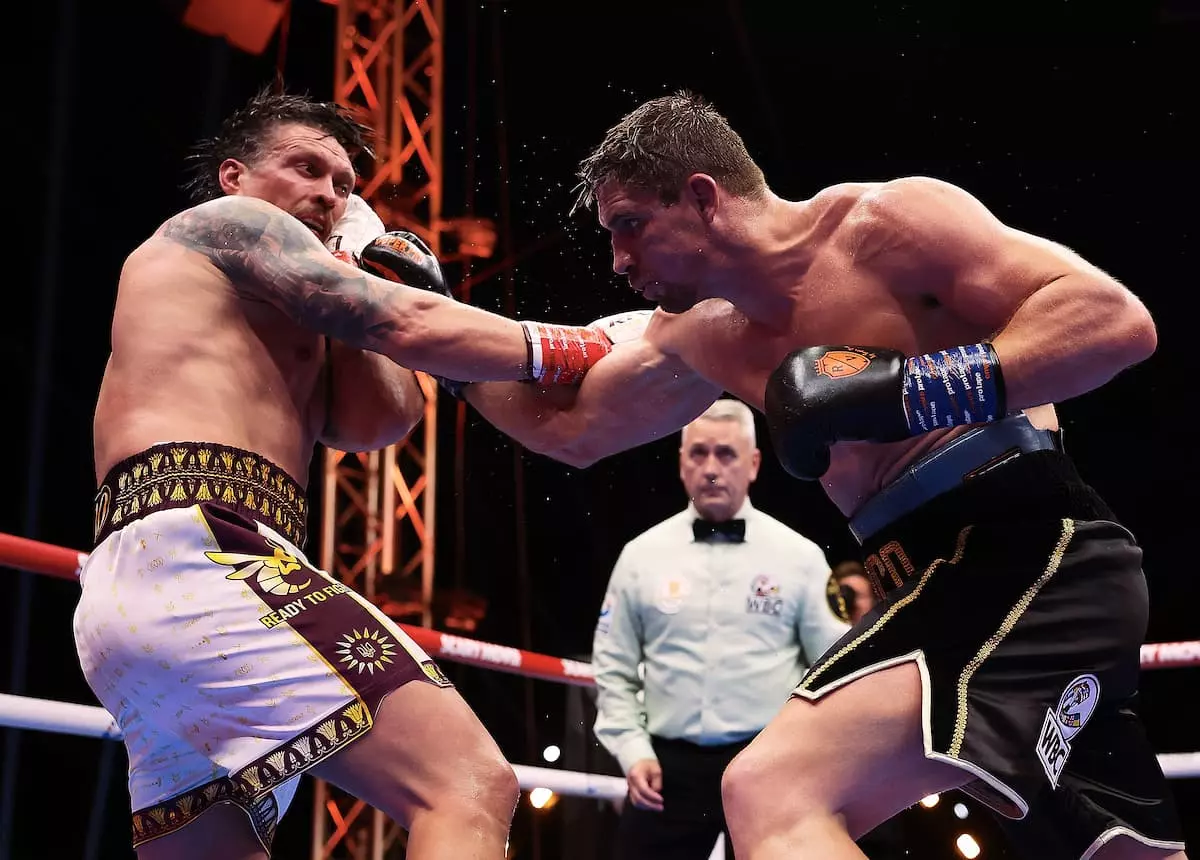

The climax arrived in the penultimate frame, a moment that will undoubtedly be dissected in boxing gyms for years to come. With only seconds remaining in the eleventh round, Usyk—a fighter who has made a career out of late-round problem solving—found the opening he had been hunting. A devastating right uppercut caught Verhoeven, sending the Dutchman to the canvas. As Verhoeven struggled to his feet, referee Mark Lyson made the contentious decision to wave off the fight with a mere single second left on the clock. It was a stoppage that immediately polarized the sport; while Verhoeven was clearly hurt, he was still standing, and the sudden intervention robbed both the fighter and the fans of a final, twelfth-round resolution. The debate over whether the referee should have allowed the challenger to "go out on his shield" will likely overshadow the technical brilliance that preceded the finish.
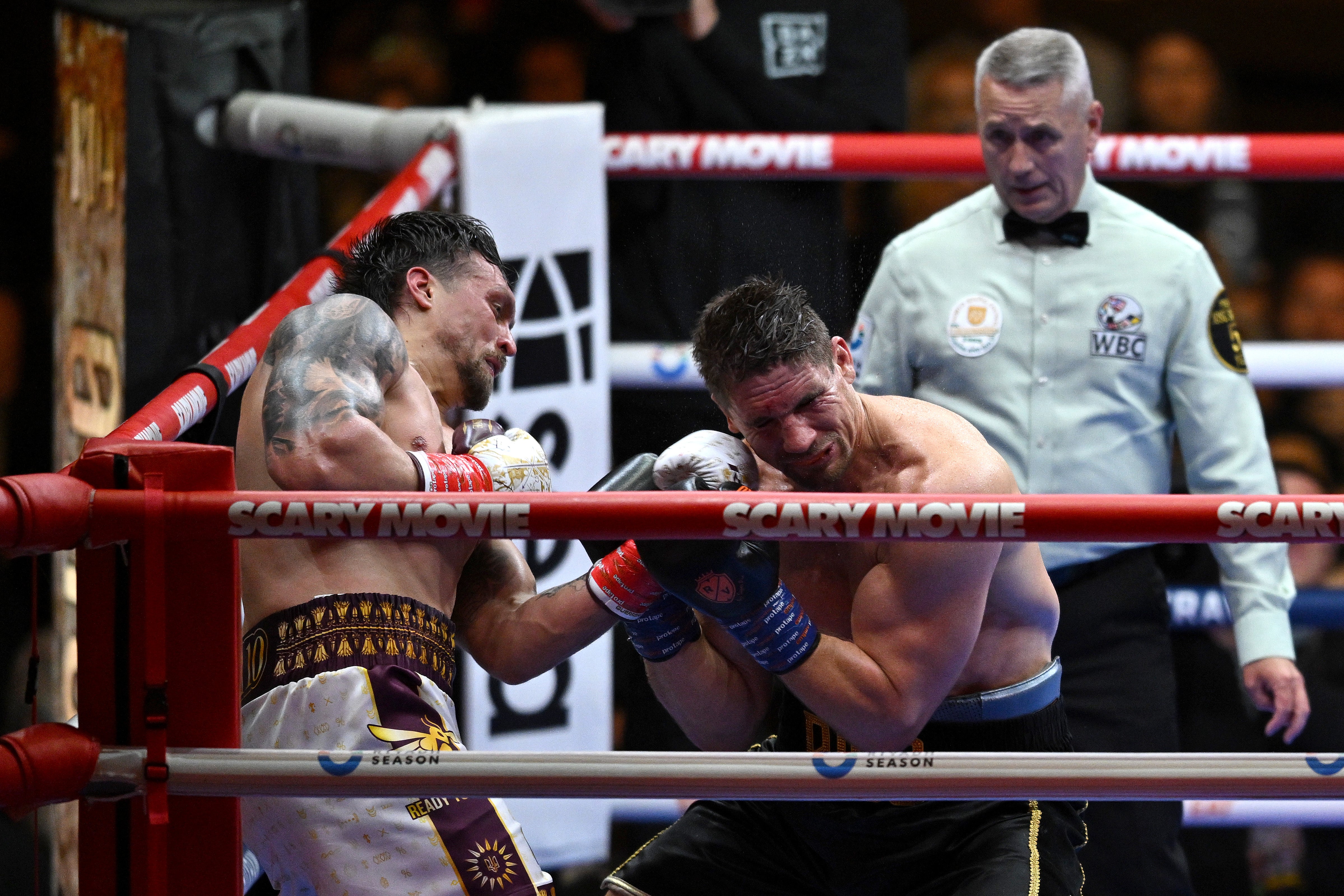
In the aftermath, the post-fight discourse was defined by a shared sense of professional grace. Verhoeven, while understandably disappointed by the timing of the stoppage, offered a performance that arguably earned him the respect of the boxing world in a way few kickboxers ever have. He acknowledged the champion's skill, while Usyk, ever the diplomat in the face of his own near-defeat, dedicated the victory to the people of Ukraine and the family he had been fighting to support from afar. The mutual respect between the two men was a refreshing contrast to the often-toxic posturing of the heavyweight division, highlighting a shared understanding of the years of discipline and physical sacrifice required to stand atop two different worlds.
Looking forward, the aftermath of Giza has left the landscape of the heavyweight division more intriguing than it has been in years. Discussions of future bouts with contenders like Agit Kabayel are now layered with the immediate, clamoring demand for a rematch—a prospect that carries the weight of unfinished business. For Rico Verhoeven, the "Glory in Giza" was not a defeat in the traditional sense; it was a successful audition for a new career path, one where his size, stamina, and awkward, unorthodox style could make him a permanent fixture at the top of the boxing ranks.
The night at the Pyramids was a transformational framing of what a "super-fight" can be. It proved that in an era dominated by data, pay-per-view metrics, and tribal fan allegiances, the human element—the ability to adapt, to suffer, and to find that one final, decisive strike—remains the true driver of the sport. As the dust settles in Egypt and the fighters return to their respective corners of the world, the legacy of this fight remains: it wasn't just about belts or weight classes, but about the timeless, universal human drive to test one’s limits against an opponent who, for a few brief, electric moments, seemed poised to write a new chapter in history.