In 2025, the United States revoked over 6,000 student visas, marking a significant shift in immigration enforcement and policy. Approximately 4,000 of these revocations were due to legal violations such as assault, DUI, and burglary, while 200–300 were linked to alleged support for terrorism. This move has sparked a heated debate about the balance between national security and civil liberties, particularly for international students navigating life in the U.S.
The revocations are part of a broader crackdown on immigration, with authorities intensifying scrutiny of visa applicants’ social media profiles for signs of "anti-American" views. This policy has heightened tensions with academic institutions and created anxiety among students who fear that activism, online expression, or political engagement could jeopardize their status. One striking example is Rümeysa Öztürk, a Turkish student at Tufts University, who was detained after her visa was revoked following participation in a pro-Palestinian protest. Her case quickly became emblematic of the tension between political expression and immigration enforcement, sparking widespread condemnation and conversations about fairness and civil rights.
Related article - Uphorial Podcast
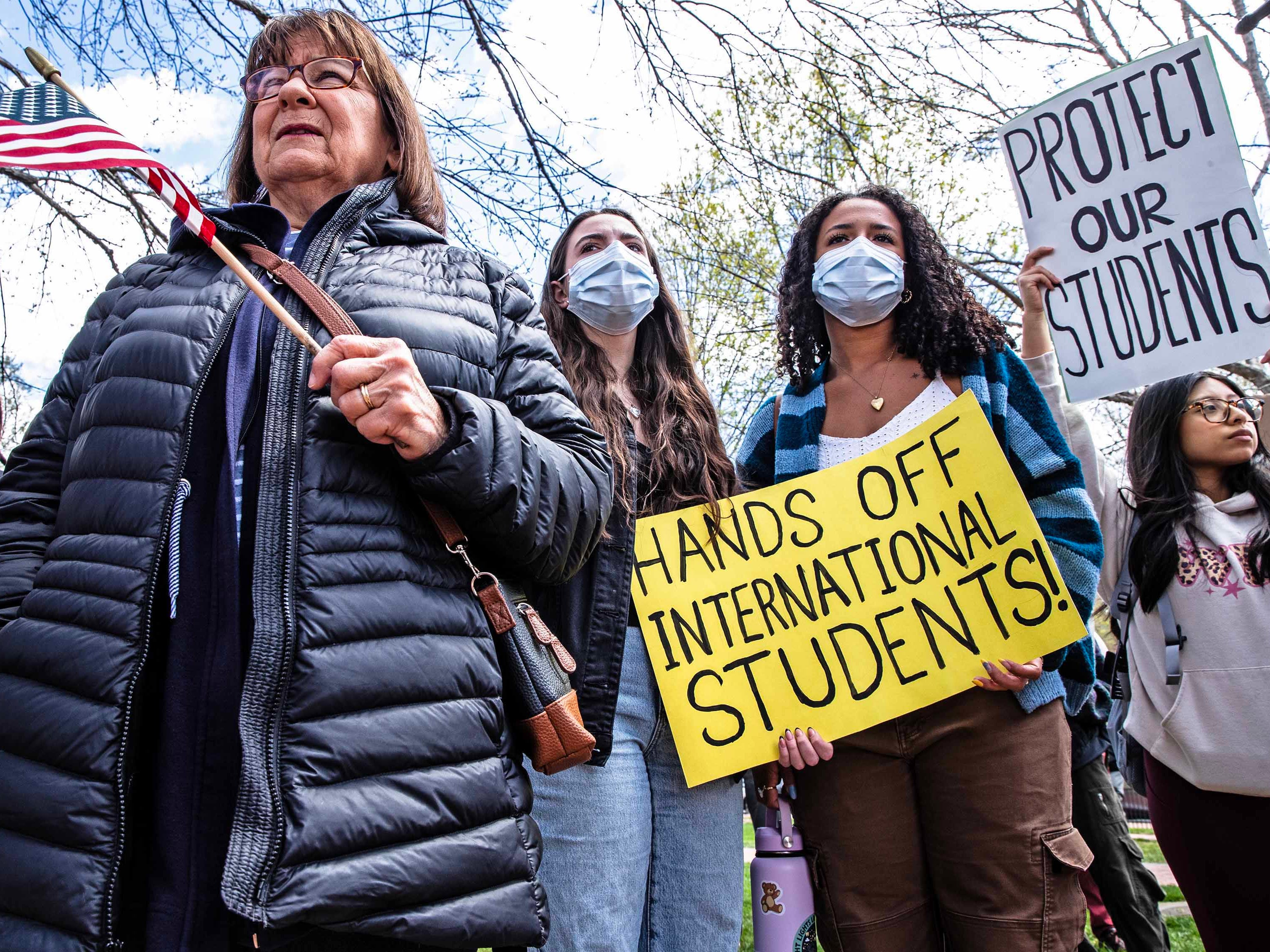
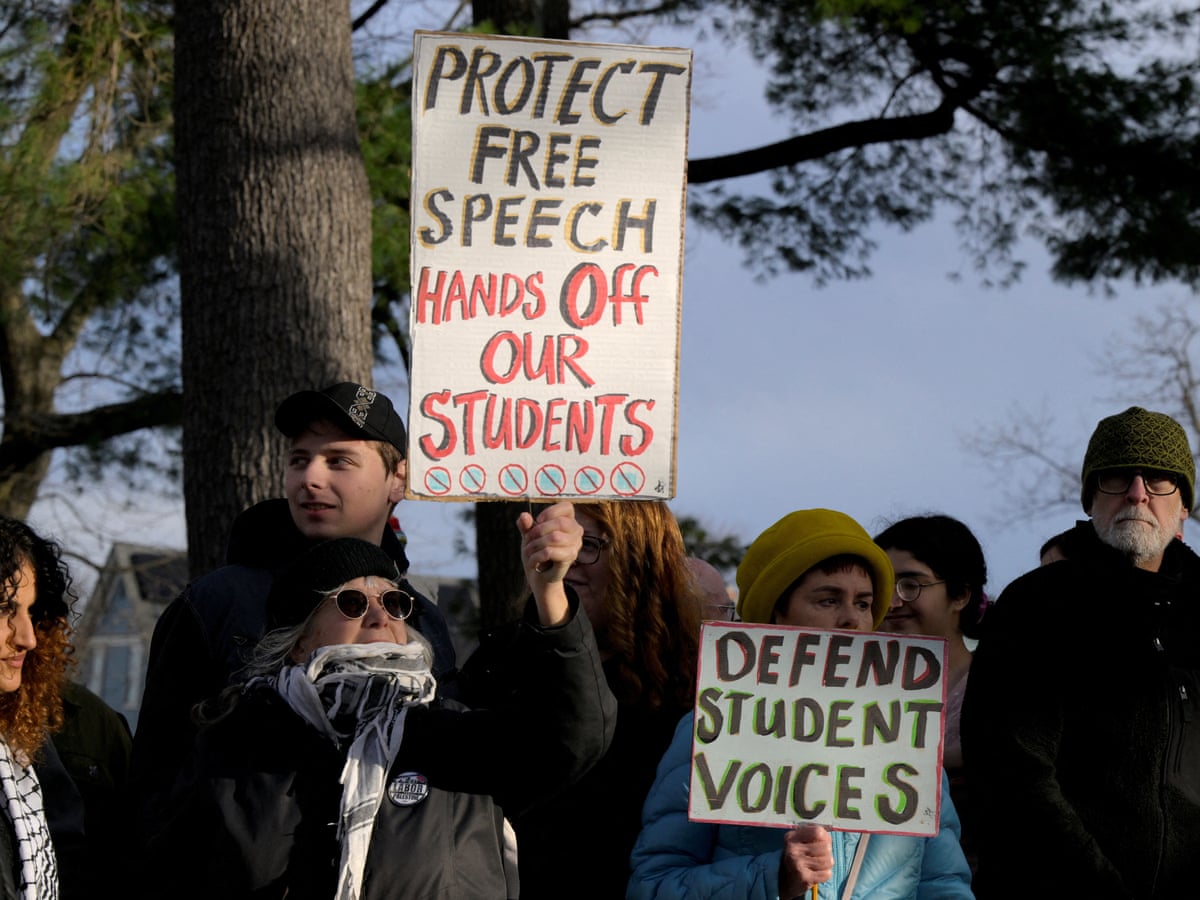
Critics argue that these measures infringe upon free speech and due process rights. Some contend that national security is being used as a pretext to suppress dissenting voices, leaving international students in a precarious position where academic performance alone may not be enough to guarantee safety and stability. The uncertainty has led to legal challenges and calls for a reevaluation of policies that disproportionately affect global scholars.
This policy shift also raises questions about the broader implications for U.S. higher education. International students make significant contributions to universities—not just financially, but also through research, innovation, and cultural diversity. The fear of arbitrary visa revocation could deter talented students from seeking education in the U.S., reshaping academic communities and diminishing global collaboration.
Amid these developments, universities are grappling with how to support students while navigating compliance with federal regulations. Counseling services, legal aid, and advocacy groups are stepping in to provide guidance, yet the underlying tension remains: how to balance safety and security without compromising openness and academic freedom. For international students, the message is clear but unsettling: adherence to the law and careful navigation of political and social activities are more critical than ever. Yet, the broader conversation extends beyond individual cases, touching on fundamental questions about what it means to maintain security while honoring principles of fairness, freedom of expression, and the value of international collaboration in higher education.