MIAMI – In the sun-drenched expanse of Miami Stadium, football history did not merely unfold; it was rewritten with the kind of audacity that defines the spirit of the FIFA World Cup. On a night that saw two-time world champions Uruguay clash with the tournament’s most compelling underdog, Cabo Verde, the narrative shifted from the expected hierarchy of pedigree to the unscripted, pulsating reality of a 2-2 draw that left the capacity crowd breathless. This was more than a Group H fixture; it was a collision between the storied history of South American football and the rising, indomitable heart of an island nation experiencing its first-ever World Cup finals.
The match began with an atmosphere heavy with anticipation, but within twenty-one minutes, that air turned electric. Cabo Verde, the "Blue Sharks," arrived in the United States not as passive participants, but as protagonists of their own destiny. When Kevin Pina stood over a free-kick more than thirty meters from the Uruguayan goal, few in the stadium could have predicted the sheer trajectory of the moment that followed. Pina’s strike was a masterpiece of physics and composure—a long-distance thunderbolt that sliced through the Uruguayan wall and nestled into the bottom corner. As the ball rippled the net, the collective roar from the stands wasn't just for a goal; it was the birth of a nation’s history. It was Cabo Verde’s first-ever goal at a World Cup, a milestone that turned a mere sporting event into a cultural touchstone for a proud archipelago thousands of miles away.

Related article - Uphorial Shopify

Uruguay, a side anchored in the tactical rigor of Marcelo Bielsa and brimming with the individual brilliance of stars like Federico Valverde, found themselves momentarily unmoored by the suddenness of the deficit. Yet, champions do not fold under pressure; they recalibrate. The response was clinical and swift. As the first half drew to its conclusion, the weight of Uruguayan experience began to bear down on the Cabo Verdean defensive line. Maximiliano Araújo, showing the predatory instinct that has marked his tournament, leveled the proceedings with a sharp finish after a scramble in the box. Emboldened by the equalizer, Uruguay pressed the advantage, and in the final moments of first-half stoppage time, Agustín Canobbio struck. It was a goal born of technical precision and relentless offensive pressure, sending the South American side into the dressing room with a 2-1 lead that felt, to all observers, like the inevitable stabilization of the status quo.But football, in its most transformative form, rarely adheres to a script of inevitability. If the first half was a testament to Uruguayan grit, the second half became a sermon on the power of belief. Cabo Verde’s manager, Bubista, turned to his bench, and in the 60th minute, that decision altered the course of history. Hélio Varela, barely on the pitch for a moment, became the architect of a chaotic, marvelous turn of events. A defensive miscommunication between Uruguay’s Matías Olivera and veteran goalkeeper Fernando Muslera left the ball loose and vulnerable. Varela, reacting with the predatory speed of a player who knew his moment had arrived, pounced on the error, lifting the ball with a delicate, masterful touch before slotting it home to restore parity.
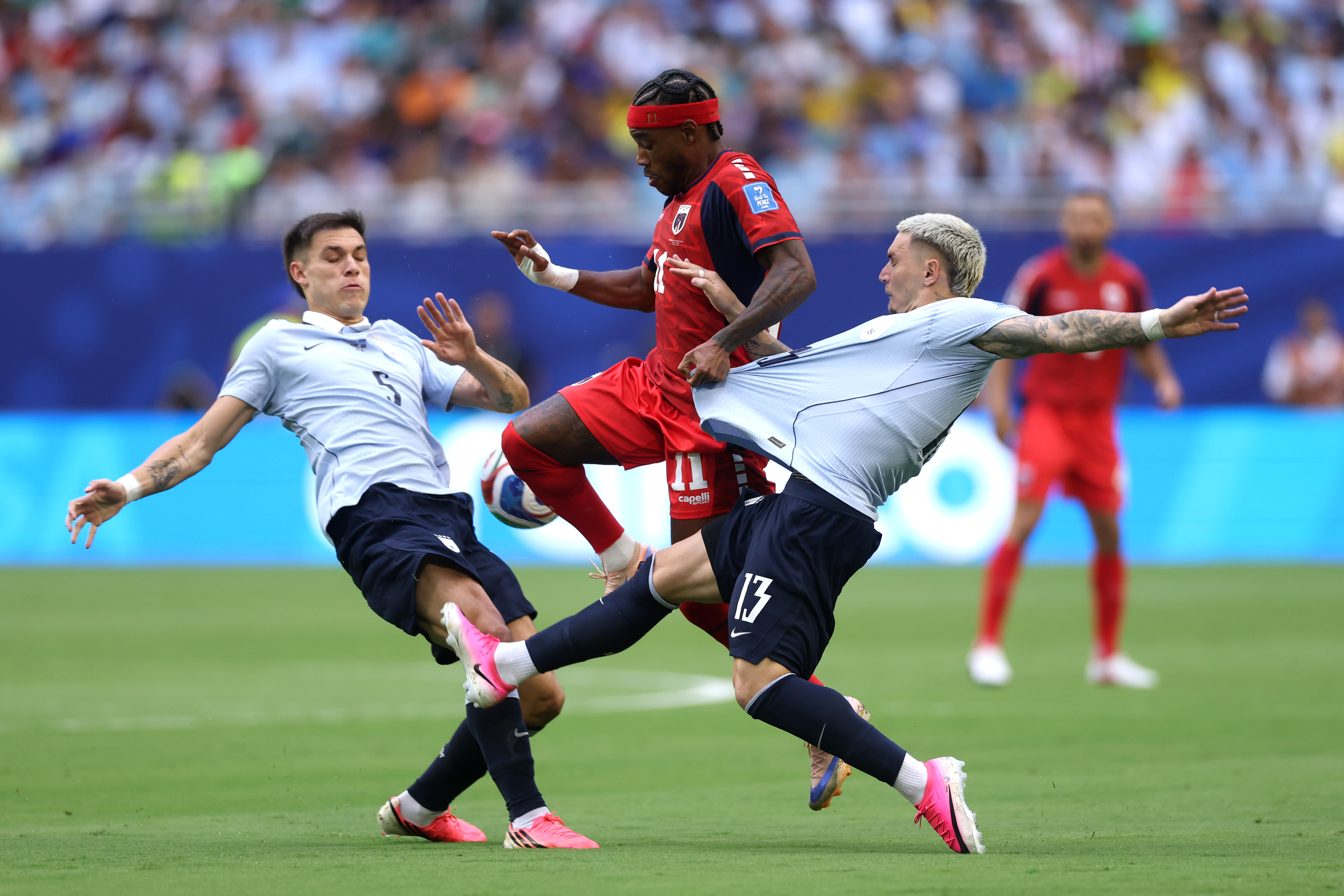
The 2-2 scoreline transformed the remainder of the contest into a high-stakes drama of survival and desperation. Uruguay poured forward in waves, their attacks mounting in frequency and intensity, yet they found themselves met by a defensive wall marshaled with absolute discipline by the likes of Pico Lopes and Sidny Lopes Cabral. The drama escalated in the final stages, with Uruguay coming agonizingly close to finding a winner—a goal struck off by the offside flag and a thunderous attempt by Valverde that whizzed narrowly past the post, serving as a reminder of how close the giants came to falling.When the final whistle finally echoed across Miami Stadium, the contrast in emotions painted a vivid portrait of the tournament’s beauty. The Cabo Verdean players collapsed onto the turf, not in defeat, but in the exhaustion of a monumental accomplishment. For them, this draw was a validation—proof that their resolute opening-night performance against Spain was no anomaly, but a standard of excellence. For Uruguay, the result was a sobering reflection on the narrowing gap between the game's traditional powers and the rising nations that now share the global stage.
As the teams retreated to their dressing rooms, the significance of the night remained. Group H now sits on a knife's edge, delicately poised heading into the final round of fixtures. Miami, a city defined by its diversity and cultural fervor, provided the perfect backdrop for this encounter. The match will be remembered not just for the four goals shared between two distinct footballing worlds, but for the resilience shown by an underdog that refused to be intimidated by the weight of history. In the grand tapestry of the 2026 World Cup, the night in Miami stands as a chapter of pure, unadulterated passion—a reminder that when the whistle blows, rankings vanish, and only the courage to play matters.