In an expansive and revealing exclusive interview, Taylor Swift has provided a comprehensive report on the architectural intricacies of her songwriting, the psychological weight of a life lived in the public eye, and the specific creative breakthroughs that have defined her journey from a pre-teen poet to a global cultural phenomenon. The conversation serves as a masterclass in the mechanics of modern pop music, revealing a creator who is as much a meticulous editor as she is a spontaneous artist, constantly balancing the raw intensity of emotion with the structural demands of classic storytelling.
The origins of Swift’s career are rooted in a unique cross-pollination of genres that occurred during her formative years. Beginning her writing journey at the age of 12, she notes that she was simultaneously captivated by the rigid storytelling structures of country music and the unabashedly emotional, lyrical twists characteristic of early 2000s emo music. This duality—the narrative discipline of Nashville combined with the confessional intensity of the alternative scene—became the foundation of her artistic identity. Even in those early sessions, she emphasized the importance of detail and specific imagery, a philosophy she maintains today by keeping a living file of evocative words and phrases to be deployed in future sessions. To capture the lightning of spontaneous inspiration, she remains reliant on voice memos, a digital scrapbooking method that allows her to preserve melodies and cadences the moment they occur.
A significant portion of the interview delves into the structural elements that make a "Taylor Swift song" recognizable. Swift speaks with particular passion about the bridge—the penultimate section of a track—which she views not merely as a musical transition, but as a cinematic "zoom back" intended to reveal the true heart of a song's narrative. This fascination with the bridge evolved into what she and frequent collaborator Jack Antonoff have dubbed the "rant bridge." This specific technique involves a stream-of-consciousness outpouring of emotion that sacrifices traditional melodic pauses for a breathless, high-velocity delivery. Swift cites "Out of the Woods" and "Cruel Summer" as the definitive examples of this style, where the bridge serves as a pressure valve for the song's built-up tension.

Related article - Uphorial Shopify
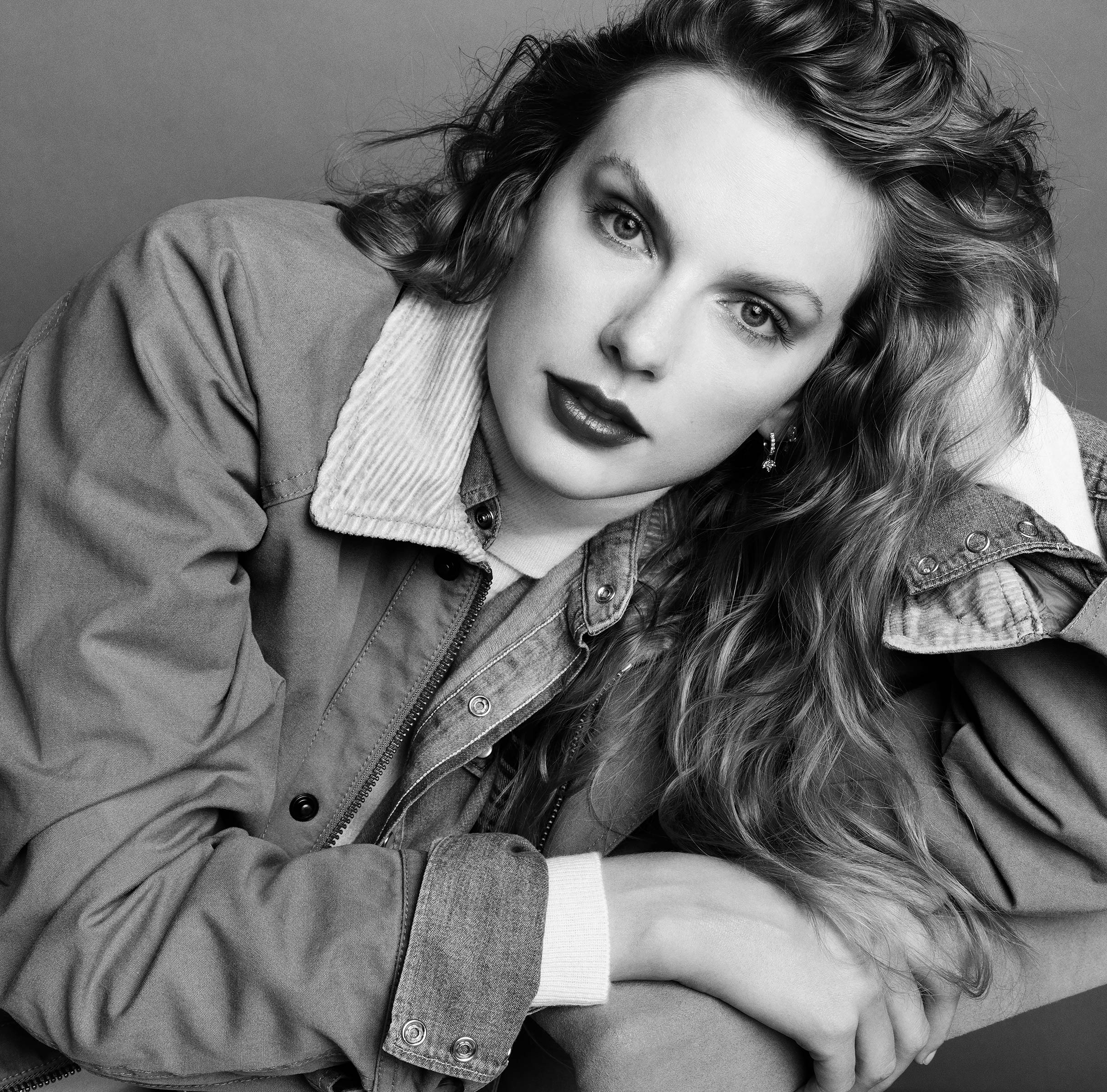
While she deeply values the collaborative process, Swift was firm in asserting her autonomy, emphasizing her ability to write entirely alone and her primary role as the final editor of her own work. This self-reliance is perhaps best exemplified in the history of "All Too Well," a track that has attained legendary status among her fanbase. She recounts the song’s organic, nearly accidental origin during a soundcheck, where a 10-minute improvisational session provided the raw material for what would become her most celebrated lyrical achievement. The process of restoring those original, sprawling lyrics for the "10-Minute Version" years later was described as an act of archival preservation, honoring the unfiltered emotion of her younger self.

The interview also highlights Swift’s love for the "plot twist" in songwriting, specifically referencing "The Last Great American Dynasty." She discusses the satisfaction of the song's ending, where the narrative lens shifts from a historical figure to her own life, revealing that she purchased the very house featured in the story. Similarly, she explains the thematic depth of "Clara Bow," a song that serves as a pointed commentary on the entertainment industry's cyclical treatment of women. By using the imagery of being compared to icons like Stevie Nicks and Clara Bow, she critiques the "star-making machine" that consistently measures new talent against the ghosts of the past.
Reflecting on her life in the spotlight, Swift describes the "mirror ball" nature of fame, a metaphor for how the public and her fans project their own feelings, insecurities, and triumphs onto her image. This constant visibility has not been without its challenges, particularly the media's long-standing obsession with her dating life. However, Swift reveals a resilient philosophy for handling criticism: channeling that external energy into art rather than engaging in the digital fray. Songs like "Blank Space" and "Anti-Hero" were born directly from this impulse, turning media caricatures into satirical weapons. Her advice to the next generation of artists is clear: when the world is shouting, do not respond on social media; instead, write the song that makes the criticism irrelevant.
As Taylor Swift continues to evolve, this interview confirms that her greatest strength lies in her ability to bridge the gap between the hyper-specific and the universal. By treating her life as a library of raw material and her craft as a rigorous discipline, she has moved beyond the status of a pop star to become a historian of the human heart. In the 2026 landscape of global media, her story remains a report on the enduring power of a well-placed word and a perfectly timed bridge.