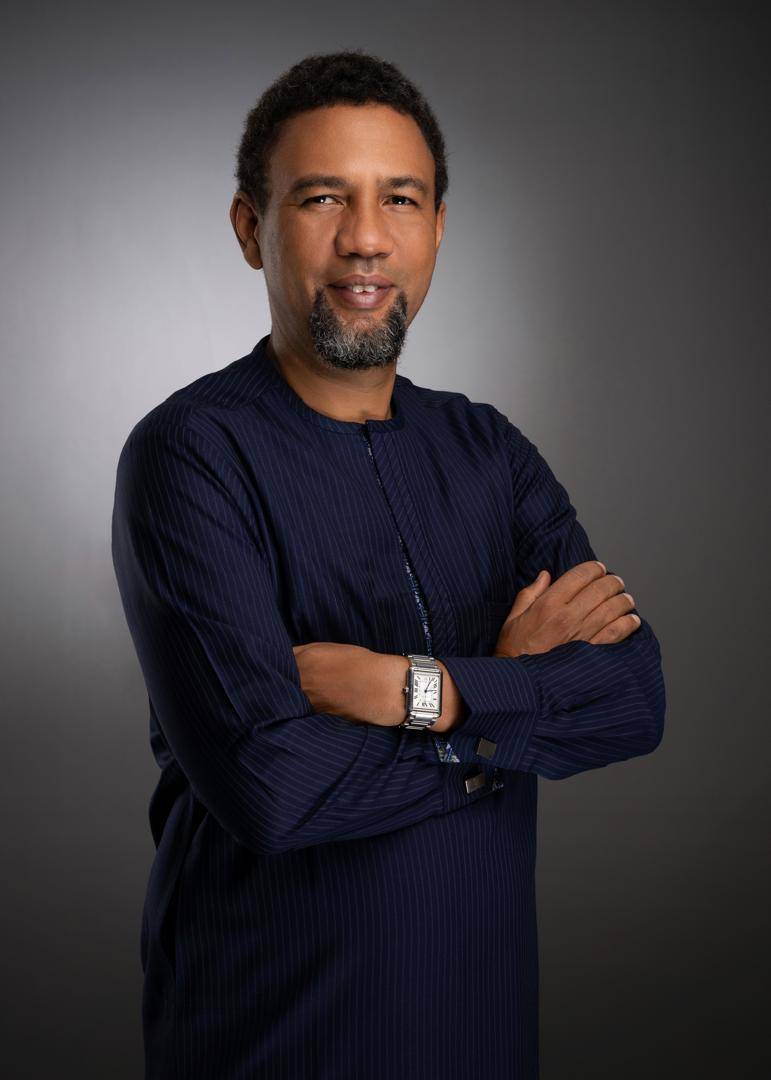
LAGOS - The sprawling, vibrant coastal mega-city of Lagos stands as the economic heartbeat of West Africa, a pulsing nexus of commerce, culture, and relentless human ambition where millions come daily to chase the elusive promise of a better life. Yet beneath the glittering skyscrapers, bustling markets, and relentless hustle of this metropolis lies a complex, high-stakes political theater shaped by decades of entrenched power structures, socioeconomic friction, and a deep-seated cynicism regarding who truly controls the destiny of the state. For generations, the prevailing narrative has dictated that political power in Lagos is an unyielding, immutable monolith—a private franchise managed from the shadows by a singular dominant authority whose grip is absolute. Challenging this formidable orthodoxy requires more than mere electoral opposition; it demands a radical reimagining of civic participation, an unshakeable moral compass, and a generational commitment to systemic reform. In a sweeping, deeply revealing retrospective on governance, political strategy, and personal sacrifice, prominent architect, activist, and political leader Gbadebo Rhodes-Vivour—widely known as GRV—lays bare the raw realities of fighting for institutional change in contemporary Nigeria. Through emotional precision, intelligent curation, cultural understanding, strategic storytelling, and transformational framing, this analysis explores the blueprint for dismantling entrenched political fiefdoms and building a genuinely accountable, people-centric society.
At the very foundation of GRV’s political philosophy is a direct ideological assault on what he defines as the greatest myth in modern Nigerian governance: the illusion of absolute, unchallengeable power in Lagos. For decades, conventional political wisdom has propagated the belief that the state's political machinery is controlled lock, stock, and barrel by a single individual who dictates appointments, dictates outcomes, and transfers authority at will. However, analyzing recent electoral cycles reveals a dramatically shifting political landscape that punctures this myth entirely. GRV argues that the margins of dominance are shrinking not because the entrenched establishment has grown more benevolent, but because systematic grassroots organization, digital awakening, and heightened voter engagement have exposed the vulnerabilities of traditional hegemony. By systematically dismantling voter apathy and proving that disciplined mobilization can shake the status quo, these electoral battles have rewritten the rules of engagement, demonstrating that political structures built on patronage are ultimately fragile when confronted by a unified, conscious electorate determined to reclaim their civic agency.
That awakening, however, must be met with an uncompromising demand for institutional governance, transparency, and fiscal accountability—elements that GRV contends are glaringly absent under the current administrative order. Scrutinizing the inner workings of state management, he pulls back the curtain on a lack of transparency bleeding through public expenditures, pointing to staggering, questionable line items in the state budget—such as exorbitantly priced generators—that epitomize a culture of misplaced priorities and fiscal impunity. True governance, he emphasizes, must transcend the cheap, divisive politics of tribalism and identity manipulation that political elites routinely deploy to fracture the populace. Instead, leadership must pivot toward concrete, measurable policy issues that directly impact the daily survival and dignity of ordinary citizens, from public health and infrastructural equity to educational reform and economic inclusion.

Related article - Uphorial Shopify

Addressing the broader national and transnational community, GRV turns his focus toward the powerful, influential demographic of the Nigerian diaspora, acknowledging the profound economic and security challenges that drive millions abroad while calling upon them to leverage their unique position. Living outside the immediate physical pressures of domestic hardship does not absolve anyone of their ties to the homeland; rather, the diaspora commands financial resources, global networks, and technical expertise that can serve as a vital catalyst for reform. He encourages Nigerians living abroad to move beyond passive observation or generalized frustration, urging them to actively invest their influence, support principled candidates, and demand rigorous accountability from leaders back home. In an interconnected world, the fight for good governance in Lagos and across Nigeria is a global enterprise that requires the intellectual and material backing of every citizen, regardless of their current geographic coordinates.
Achieving lasting institutional transformation, however, cannot be accomplished through reactive, short-term election-cycle calculations; it demands an ambitious, generational perspective modeled on international benchmarks of success. Drawing vital lessons from global development models like those of Singapore and China, GRV stresses the absolute necessity of implementing long-term, strategic planning that spans decades rather than four-year political terms. Building a legacy of greatness requires visionary infrastructure, educational overhaul, and economic foresight that outlives any single administration. By moving away from short-term, self-serving governance designed primarily to secure the next electoral victory, leadership must anchor its mission in building a sustainable, prosperous state capable of competing on the global stage fifty years into the future.
Translating this grand vision into operational reality requires a pragmatic, resilient approach to coalition-building and political organization, lessons hard-earned through rigorous electoral challenges and strategic realignments, including his transition into the African Democratic Congress (ADC). Reflecting on the turbulent path of opposition politics, GRV underscores that lasting political power is never won through courtroom technicalities or endless legal battles alone; it is forged on the ground by building a genuine, broad-based coalition of ordinary citizens, trade unions, youth networks, and progressive leaders. His political trajectory underscores a deep commitment to ideological consistency—remaining steadfast in his core values despite shifting party platforms—and an unyielding preference for engaging the electorate directly in the streets, markets, and town halls rather than retreating exclusively into elite legal chambers.
Yet, the most arresting dimension of GRV’s political journey is the heavy, deeply personal cost borne in the pursuit of uncompromised political integrity. Operating within an ecosystem where political loyalty is frequently monetized, he reflects candidly on turning down significant financial offers and backdoor overtures designed to compromise his principles and co-opt his movement. Choosing the path of integrity in Nigerian politics is an expensive and emotionally taxing endeavor, carrying immense psychological weight for both the candidate and the devoted network of supporters who put their hopes on the line. The emotional toll of navigating systemic opposition, facing state-backed intimidation, and witnessing the deferred hopes of millions can be staggering. Yet, it is precisely this crucible of personal sacrifice that validates his leadership, proving that true political character is defined not by what one is willing to compromise for power, but by what one is willing to endure to preserve the public trust.
Ultimately, this profound exploration of politics, governance, and sacrifice transcends the immediate borders of Lagos State, offering a transformational framing of civic possibilities across the African continent. Through emotional precision, intelligent curation, cultural understanding, strategic storytelling, and transformational framing, GRV’s narrative paints a vivid portrait of a society in transition. It is a powerful reminder that the architecture of oppression and bad governance is not invincible; it is sustained primarily by apathy, division, and fear. By choosing courage over comfort, strategic vision over short-term expediency, and collective solidarity over tribal division, a new generation of leaders and citizens can dismantle the myths of the past and build a functional, equitable, and truly prosperous future.