LOS ANGELES - Under the soaring roof of Los Angeles Stadium, the final Group D encounter of the 2026 FIFA World Cup unfolded not as a mere formality, but as a narrative of redemption, experimental ambition, and the unrelenting drama that defines the global game. For the United States, already comfortably ensconced as group winners, the evening was an opportunity to rotate the squad and test the depth of their 26-man roster. For Türkiye, trailing in the wake of an arduous tournament, it was a final, desperate plea for pride—a chance to leave the world stage with heads held high.
The atmosphere was electric, a cacophony of support that bridged cultures and continents, signaling that even in a "dead rubber" match, the weight of a World Cup crest remains absolute. Mauricio Pochettino, opting for a strategic overhaul, introduced nine changes to the starting XI that had dismantled Australia days prior. The message from the technical area was clear: the tournament’s path is paved by the collective, not just the icons. Among the faces eager to seize the moment was Brenden Aaronson, stepping into the fray for his first World Cup minutes, his movement providing a kinetic energy that immediately asked questions of the Turkish backline.
The opening exchanges were frenetic, a chess match played at a sprinter’s pace. The deadlock was shattered in the third minute. Auston Trusty, rising to the occasion with the composure of a veteran, found the back of the net to give the hosts an early lead. It was a dream start, a continuation of the USMNT’s penchant for early-match dominance. Yet, if the opening minutes belonged to the American intensity, the response from Türkiye was a masterclass in resilience. Within seven minutes, Arda Güler, the prodigious Real Madrid talent, silenced the home crowd by leveling the score. The goal was a reminder of the raw, unpredictable quality that pulses through Turkish football—a spark of genius that reignited their tournament ambitions.

Related article - Uphorial Shopify

As the first half deepened, the tactical friction between Pochettino’s experimental side and a revitalized Turkish outfit grew palpable. Barış Alper Yılmaz, ever the thorn in the side of opposing defenses, capitalized on the shifting momentum, driving home the go-ahead goal in the 31st minute. The atmosphere in Inglewood shifted from celebratory to tense; the US, for the first time in the tournament, found themselves trailing. The shift tested the mental fortitude of a lineup largely unaccustomed to the pressure of a World Cup deficit.The second half began with a renewed sense of purpose from the Stars and Stripes. The equalizer arrived in the 49th minute, a moment of individual brilliance from Sebastian Berhalter. Catching a loose rebound at the edge of the penalty area, Berhalter threaded a shot through a dense thicket of players, sending the ball into the net to bring the score level at 2-2. The roar that followed served as a testament to the crowd's appreciation for the grit on display. The game descended into a tactical tug-of-war, with both sides testing their respective goalkeepers. Uğurcan Çakır, the Turkish stalwart, proved to be an impenetrable wall, producing a series of crucial saves that kept his side afloat under mounting American pressure.
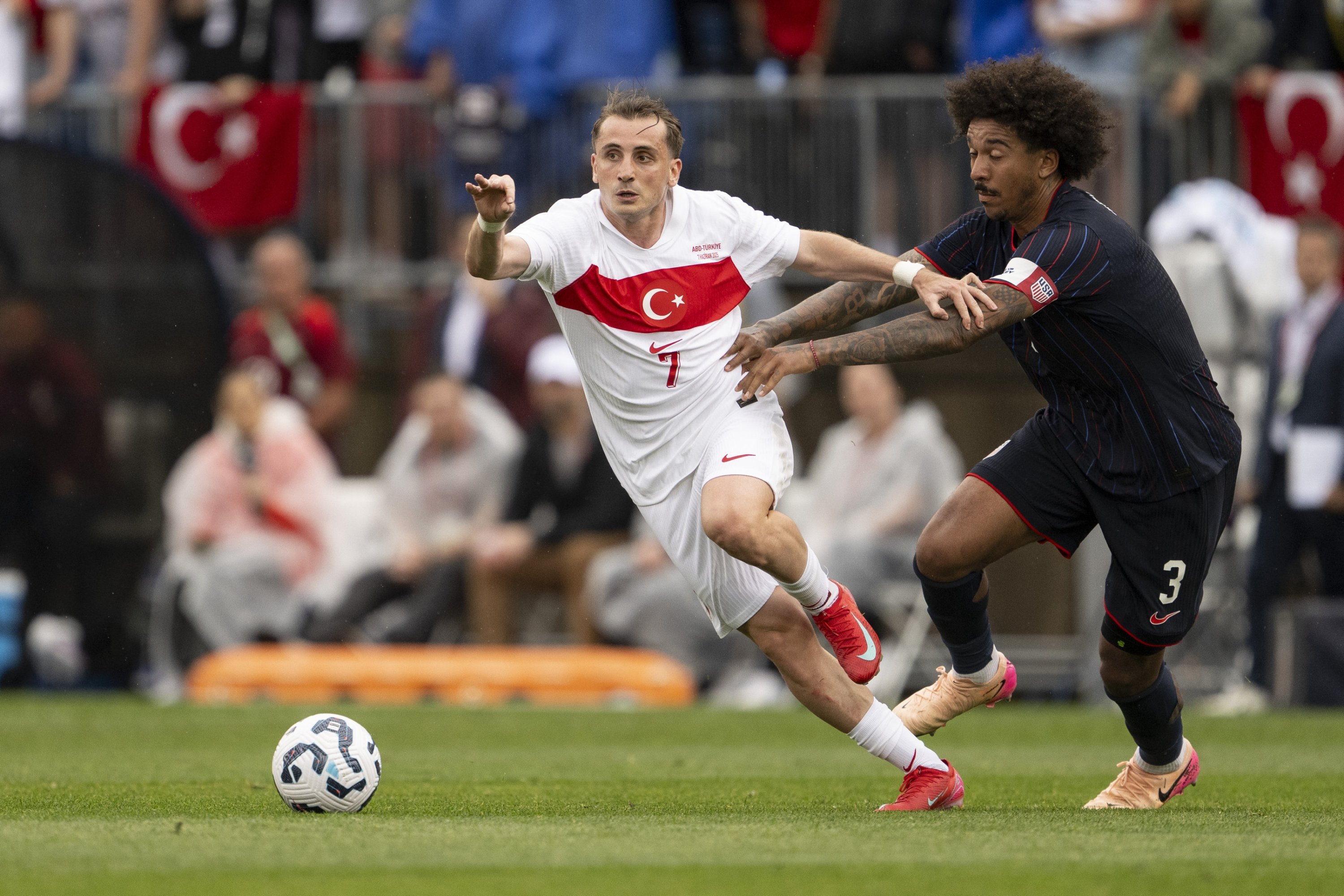
As the clock ticked toward the final whistle, the narrative pivoted toward a dramatic crescendo. The American attack, spearheaded by the late-game introduction of Christian Pulisic—whose return from a calf injury was met with a thunderous standing ovation—pushed relentlessly for a winner. The interplay between Pulisic, Aaronson, and Ricardo Pepi created sequences of fluid, dangerous football, yet the clinical finish remained elusive.In the dying embers of stoppage time, the script took a turn that only the World Cup could author. With the game seemingly destined for a draw, a final, surging transition from Türkiye caught the American defense out of position. Kaan Ayhan, finding space in the final seconds of the eighth minute of added time, struck the decisive blow. A silence momentarily gripped the stadium, quickly replaced by the ecstatic cries of the Turkish contingent. It was a finish that defied the logic of the match, a poignant capstone to a campaign that had been defined by hardship but ended with a moment of pure, unadulterated triumph.
The final whistle confirmed a 3-2 victory for Türkiye, a result that, while having no bearing on the final standings of Group D, fundamentally altered the emotional landscape of the tournament for both nations. In the wake of the match, the exchange between managers Vincenzo Montella and Mauricio Pochettino on the touchline was one of mutual respect—a recognition of the professional burden they both shoulder.For the United States, the defeat is a footnote, a lesson learned in the crucible of tournament play. They march into the knockout stages as group winners, their momentum largely intact, their tactical depth stress-tested, and their star man back on the grass. For Türkiye, the victory served as a profound reclamation of identity, proving that even in the twilight of an early exit, there is no such thing as a meaningless match on the world’s biggest stage. It was, in every sense, the theater of the sport—where a result can be both a goodbye and a beginning.