For patients seeking comprehensive body contouring, the order of surgical procedures is critical, and according to Dr. William of Dr William Miami, performing an abdominal plasty, commonly known as a tummy tuck, before liposuction yields the best aesthetic results and ensures patient safety. In a discussion documented on his social media channel, Dr. William detailed why staging these operations—starting with the tummy tuck and following up with liposuction six months later—is the recommended protocol, especially for patients with significant excess skin.
Dr. William presented a patient one-month post-operative from her abdominal plasty to illustrate this rationale. The patient was initially not a good candidate for liposuction because of her skin laxity. As Dr. William explains, a patient with excess skin who undergoes only liposuction would be left with "loose wrinkly skin". By performing the tummy tuck first, the excess skin is removed, converting the patient into a "very good patient for liposuction" because "there's no skin problem".
The primary reason for waiting six months between the two procedures is vital for safety and effective contouring: reestablishing blood supply. During a tummy tuck, the incision is made, and the skin is lifted, which "disturbs the blood supply". Small blood vessels coming off major arteries in the abdomen must be cut to lift the skin, causing the remaining skin to rely on blood supply coming in from the sides. If liposuction were performed too soon, specifically at the one-month mark, it could potentially create areas of ischemia, or restricted blood flow. By waiting six months, the blood supply to the abdomen becomes "nice and strong," making it safe to proceed with liposuction.

Dr. William of Dr William Miami - Tummy Tuck

Related article - Uphorial Shopify
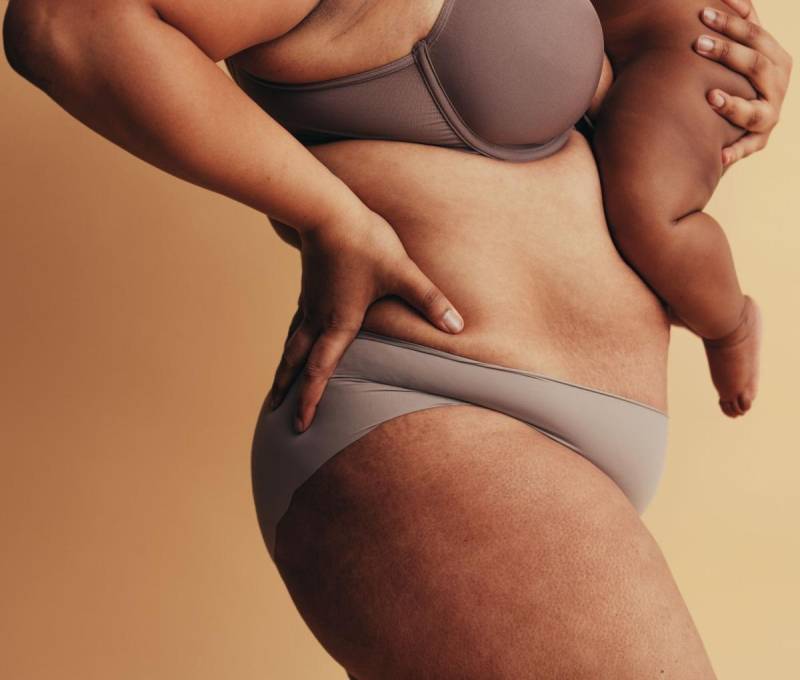
The two procedures serve distinct, yet complementary, goals. The initial operation—the tummy tuck—is focused on getting rid of excess skin, providing a new belly button, and tightening the abdominal muscles. This muscle tightening, known as muscle plication or muscle repair, corrects rectus diastasis (the separation of the abdominal muscles) and helps bring the waist in to a certain degree.
However, the "real shape change" comes six months later with the subsequent liposuction. While the tummy tuck flattens the tummy and tightens the muscles, "it's not going to bring the waist in to the same degree as the liposuction will". The patient in question, though appearing flat after the tuck because she did not have a "significant amount of internal fat," still had external fat.
The major benefit of the delayed liposuction is comprehensive body sculpting, not just addressing the front of the abdomen. Dr. William explained that in the second stage, he can lipo the whole back and the sides, targeting the "key area" of the flank to truly cinch the waist. By removing all the fat through this area, the waist is brought in, and the fat harvested can be transferred to the gluteal area, offering a Brazilian Butt Lift (BBL) if the patient desires. Ultimately, the staged approach provides not only a flatter tummy but also a "totally different shape" to the body.
While some patients may undergo a tummy tuck and liposuction simultaneously, Dr. William asserted that it is "optimal if you can stage them". By first addressing the excess skin and then focusing on the refined contouring, the staged procedure ensures the best possible cosmetic outcome, resulting in a nice flat abdomen and a "really good shape to her body".