The second Women’s Vitality IT20 international between England and New Zealand will be remembered not merely as a cricket match, but as a testament to the sheer resilience required at the elite level of the sport. Played out against a backdrop of shifting momentum, the encounter provided a profound narrative of recovery and tactical poise that left the spectators at the edge of their seats. As the series hung in the balance, the game served as a transformational framing of the women’s game—a display where individual brilliance, tactical discipline, and the refusal to succumb to early adversity became the deciding factors in a hard-fought victory for the visitors.
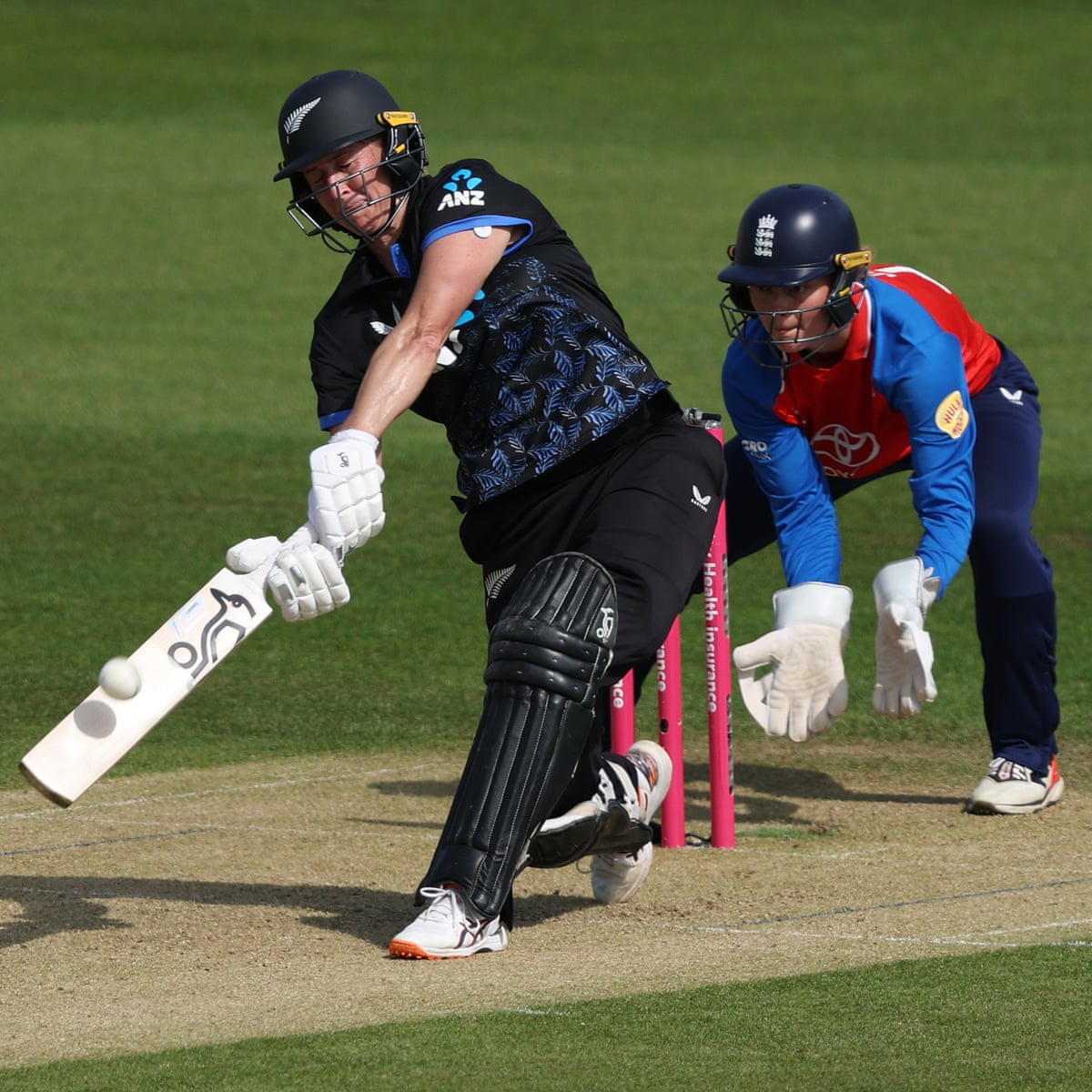
The contest began with a sequence that, for any other team, might have signaled an inevitable collapse. New Zealand found themselves in a position of extreme vulnerability, reeling at 6 for 3 within the opening exchanges. The atmospheric tension on the field was palpable; the early loss of top-order wickets stripped away the team's composure, leaving them staring down the barrel of a humiliating defeat. Yet, the subsequent turnaround was nothing short of extraordinary. Sophie Devine, a figure synonymous with explosive power, took the responsibility of the recovery upon her own shoulders. Her display of hitting was a masterclass in emotional precision, characterized by a calculated aggression that saw her clear the ropes with back-to-back sixes, effectively shifting the psychological advantage from the English bowlers back to the New Zealand crease.
The intelligence of the partnership that followed provided a necessary counterpoint to Devine’s ferocity. Maddie Green took on the role of the anchor, demonstrating a deep cultural understanding of the situation—she recognized that the team did not need more risk, but rather the stability to survive the remaining overs. By carefully rotating the strike and punishing the loose deliveries, Green allowed the innings to flourish. Together, the pair orchestrated a recovery that pushed the total past the 150-run mark, a score that felt impossible when the scoreboard read 6 for 3. It was a strategic shift in tempo that redefined the innings, turning a potential disaster into a competitive, defendable target.
Related article - Uphorial Shopify

England’s response was initiated with a sense of purpose that suggested a comfortable chase was on the horizon. Safia Dunley and Heather Knight displayed a refined technique, finding the gaps with regularity and keeping the required run rate well within reach during the early stages of the pursuit. The crowd, sensing a momentum shift, offered a vocal backdrop to a chase that seemed destined to secure the series. However, the dynamics of T20 cricket are notoriously unforgiving. The loss of set batters in quick, succession-disrupting intervals halted England’s progress just as the game entered its most critical phase. The pressure to maintain an escalating run rate forced aggressive shot selections, leading to the collapse of the middle order and leaving the tail-end with an insurmountable task.

The match result—a significant turnaround for New Zealand—served to level the series and injected a new level of competitive intensity into the final fixtures. For the neutral observer, the game was a compelling study in the volatility of professional sports. New Zealand’s ability to defend their total was not just the product of superior bowling, but the result of their earlier tactical discipline; by setting a total that forced England into high-risk errors, the visitors effectively managed the pressure of the final overs.
This victory was a triumph of intelligent curation, both on and off the field. It highlighted the evolving sophistication of the women’s game, where players are now expected to switch seamlessly between defensive grit and offensive dominance. The strategic storytelling of the match was clear: no position is truly precarious as long as there is the patience to build a foundation and the courage to strike when the opportunity arises. As the teams now move forward to the decider, the second IT20 will remain as a reminder of the sport's capacity for redemption. It was an afternoon of high drama where the ability to absorb a heavy blow and respond with calculated, clinical force proved to be the ultimate hallmark of a championship-caliber team. For New Zealand, the recovery was complete; for England, it was a hard-won lesson in the importance of maintaining momentum in the face of a desperate, and ultimately inspired, opponent.