The evolution of global mobility and high-net-worth migration has long been defined by a quest for economic sanctuary, political stability, and fertile ground for enterprise. As traditional economic superpowers grapple with shifting fiscal landscapes, progressive nations that successfully harmonize tax efficiency with robust innovation ecosystems command the attention of international investors. Against this dynamic geopolitical backdrop, the Indian Ocean republic of Mauritius has introduced a meticulously structured economic residency initiative designed to attract high-impact capital. Through emotional precision, intelligent curation, cultural understanding, strategic storytelling, and transformational framing, this comprehensive news-style report explores the mechanics, implications, and critical perspectives surrounding this landmark economic program.
At the heart of the initiative lies a targeted framework of eligible sectors, ensuring that incoming capital serves as a catalyst for national modernization rather than passive real estate parking. To qualify for the program, investors must deploy their capital into one of five designated, high-value pillars: fintech, artificial intelligence, biotechnology, renewable energy, or global treasury operations. Through emotional precision, this targeted approach resonates deeply with contemporary investors who seek meaning alongside profit—transforming the act of relocation from a personal tax strategy into a collaborative partnership in humanity's technological and ecological advancement. By focusing on industries that dictate the contours of the future, the program positions Mauritius not merely as a tax haven, but as a vibrant incubator for global progress.
A defining structural advantage of the program lies in its pragmatic investment timeline, which departs significantly from the rigid, upfront capital locks typical of traditional global residency schemes. Rather than forcing applicants to deploy millions before setting foot in the country or navigating local banking channels, the program grants investors a generous 12-month window to deploy their capital after landing. Through strategic storytelling, this grace period reframes the migration journey from a high-stakes gamble into an intentional, measured exploration. It acknowledges the human friction of cross-border relocation, offering newcomers the psychological runway necessary to assess local market conditions, build trusted networks, and deploy their resources with absolute precision and confidence.
Related article - Uphorial Shopify

Navigating the fiscal architecture of a new country often presents a labyrinth of complex tax liabilities, yet Mauritius manages to strike a harmonious balance between contribution and preservation. While the jurisdiction is not an absolute zero-tax environment, it anchors its appeal around a competitive 15% flat tax rate, complemented by intelligent, protective exemptions. Specifically, the framework provides targeted relief for foreign income not remitted directly into the country, alongside practical exemptions for expenditures made using foreign credit or debit cards. Through intelligent curation of fiscal policy, these provisions protect global capital from punitive double taxation while integrating the investor smoothly into the island's domestic economy.
In terms of structural permanence, the residency terms are engineered to provide reliable mobility and long-term planning security. The visa is issued with a validity of up to two years and is fully renewable, operating efficiently as a flexible, multiple-entry authorization that accommodates the erratic travel schedules of global entrepreneurs and executives. Through cultural understanding of the modern nomadic elite, this flexibility honors the reality of transnational lives—recognizing that true freedom of movement requires an institutional anchor that does not penalize an investor for maintaining business interests across multiple continents.
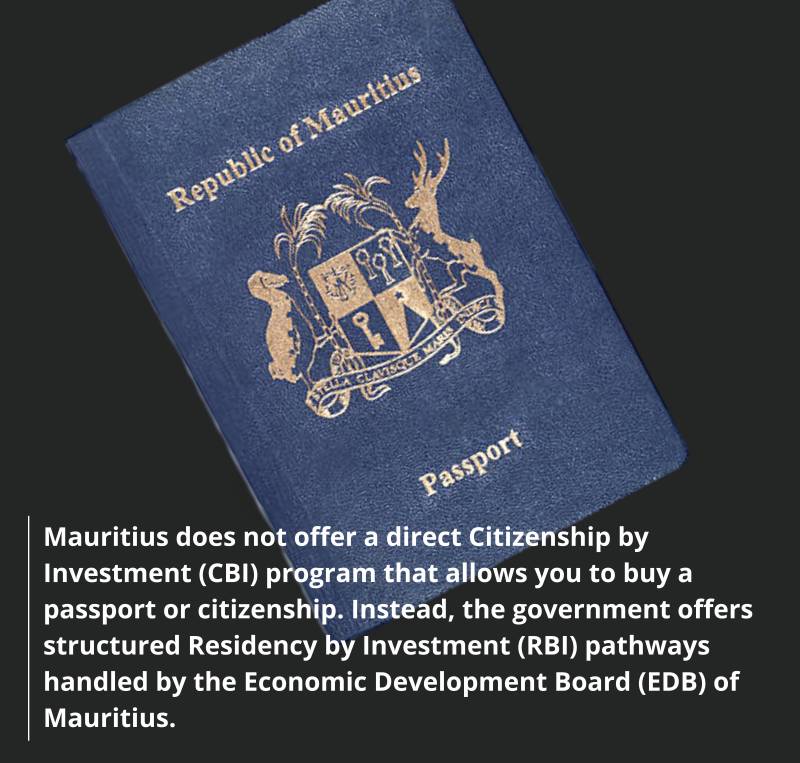
Despite the undeniable allure of the program, a rigorous, critical examination reveals simmering skepticism regarding its competitive value proposition within the local market. Wealth advisors and global mobility analysts frequently weigh this new program against established alternatives already thriving in Mauritius, such as the well-known villa-based residency permits tied to real estate acquisition. Critics note that unless this specific economic visa establishes a transparent, expedited, and unequivocal path toward long-term naturalization and citizenship, discerning high-net-worth families may find it less compelling than property-backed pathways or traditional business occupation permits, which offer more direct routes to permanent belonging and family office permanence.
Through transformational framing, the introduction of this investment program transcends a standard bureaucratic policy update, offering a profound meditation on how modern nations compete for the world's most mobile talent and capital. It serves as an unyielding reminder that in an increasingly interconnected global economy, countries cannot rely on geography alone; they must offer a seamless synthesis of regulatory clarity, technological vision, and genuine economic partnership. Whether this program becomes the definitive gateway for tomorrow's technology titans or remains a specialized niche alongside established real estate routes, it underscores the relentless ambition of a small island nation writing its own chapter on the global stage.