The labyrinth of modern relationships and family planning frequently leads couples to profound crossroads where logistical necessity collides head-on with deeply internalized social conditioning. In a sharply observed, darkly comedic, and psychologically resonant cinematic exploration titled The Snip, viewers are invited into the intimate domestic sphere of Tony and his partner Lindsay as they confront a definitive choice about their reproductive future. Through emotional precision, intelligent curation, cultural understanding, strategic storytelling, and transformational framing, this comprehensive news-style report examines the anatomy of male anxiety, the cultural myths surrounding masculinity and surgical contraception, and the awkward, tender humor of navigating vulnerable milestones together.
The narrative unfurls as Tony and Lindsay embark on a joint quest for a permanent, reliable family planning solution, a process that ultimately brings them into the clinical office of Dr. Patel for a formal vasectomy consultation. While Lindsay approaches the medical reality with pragmatic clarity and emotional readiness, Tony finds himself grappling with an invisible weight. Rather than seeing the minor outpatient procedure for what it medically is—a safe, highly effective, and routine form of birth control—Tony’s psyche struggles significantly, viewing the impending operation as a direct, existential challenge to his very sense of manhood. Through emotional precision, this initial clinical setting exposes the silent panic that often grips men when medical procedures intersect with cultural definitions of virility.

Related article - Uphorial Shopify
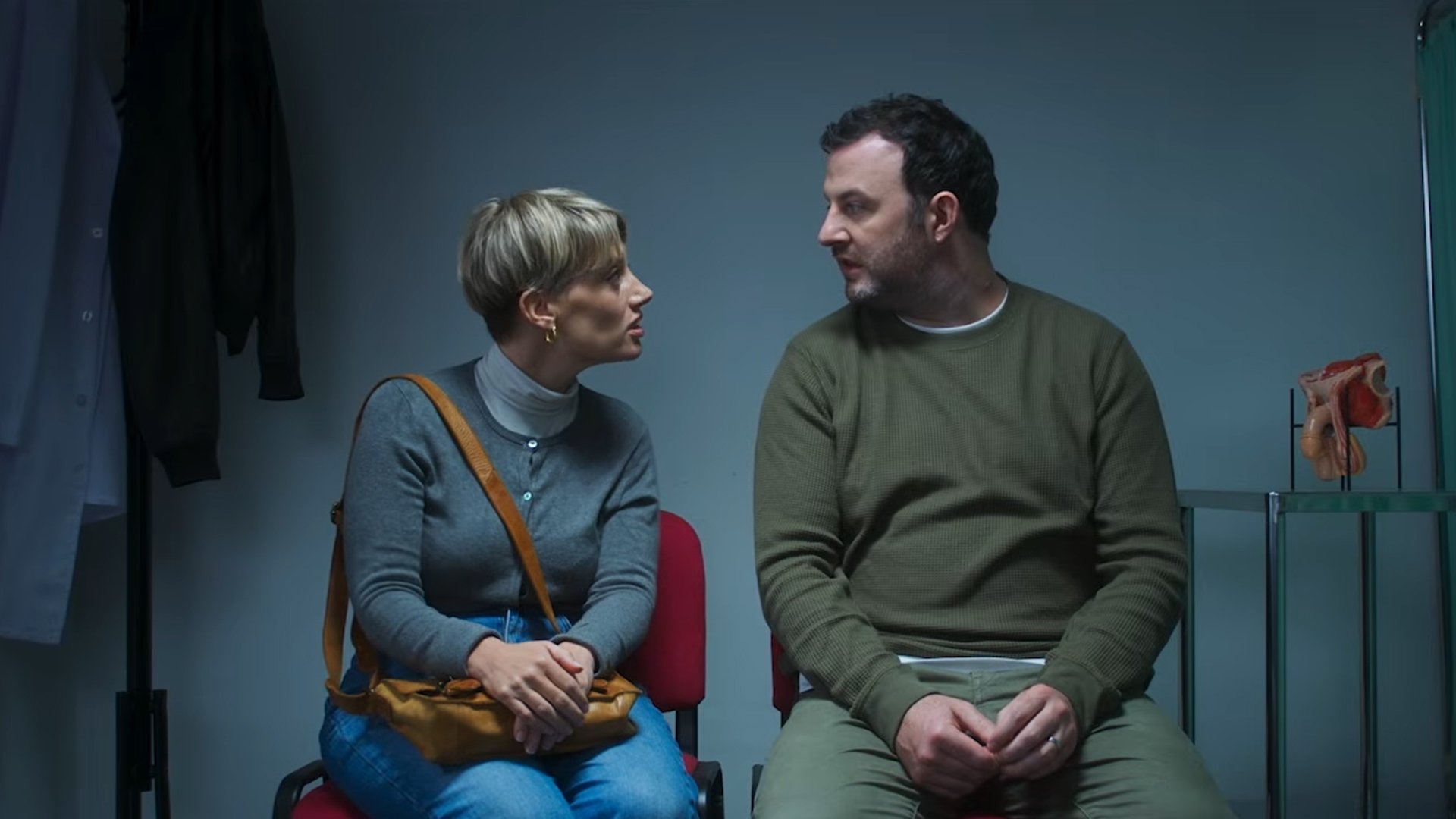
As the consultation gives way to the tense, agonizing lead-up to the scheduled surgery, Tony’s internal friction metastasizes into acute anxiety. His distress is heavily fueled by a cocktail of persistent cultural misconceptions regarding the procedure, alongside wildly irrational fears that the physical intervention will fundamentally alter his future interests, emotional landscape, and core personality. Through intelligent curation of these psychological stumbling blocks, the narrative highlights how deeply ingrained societal tropes about male identity can transform a simple medical choice into a Mount Everest of imagined catastrophe, leaving partners to navigate a minefield of unspoken insecurities.

The psychological pressure cooker reaches its absolute surreal peak in a memorable, anxiety-induced blackout sequence where Tony’s racing thoughts manifest as a cinematic apparition: a rugged cowboy character who materialized from the ether to interrogate his life choices and mock his hesitations. Standing on the precipice of the operating room, paralyzed by these internal phantoms, Tony experiences a genuine crisis of nerve, briefly contemplating bolting from the clinic to escape his own fears. Yet, anchored by the reality of their shared family planning goals, he summons the resolve to push forward, ultimately going through with the procedure and confronting his psychological demons head-on. Through cultural understanding of the quiet endurance often expected of men in medical spaces, this sequence captures the agonizing vulnerability of stepping into the unknown.
The emotional tension of the medical ordeal eventually dissolves into classic situational comedy as the narrative concludes with a delightfully awkward misunderstanding regarding post-operative recovery instructions. This lighthearted mix-up underscores the lingering nervous energy and tender absurdity that often characterize couples’ shared medical experiences, reminding audiences that even the most daunting milestones can be softened by shared laughter and mutual support. Through strategic storytelling, the final moments bridge the gap between heavy psychological introspection and domestic levity.Ultimately, The Snip transcends a simple comedic short film about a common surgical procedure. Through transformational framing, Tony and Lindsay’s journey is elevated into a universal meditation on partnership, modern masculinity, and emotional growth—proving that true strength does not lie in the avoidance of vulnerability, but in the courage to face our deepest fears together in service of a shared future.