EDINBURG – In the rugged, windswept landscapes of the Scottish Highlands, the modern world often feels like a distant, frantic echo. Amidst the heather-dusted hills and the quiet resilience of ancient glens, a profound dialogue between human ingenuity and the natural world continues to thrive. It is a dialogue defined by three distinct but inextricably linked crafts: the delicate production of cashmere, the patient distillation of single malt whisky, and the symbolic weaving of tartan. These traditions are not merely relics of a bygone era; they are the living, breathing pillars of a heritage that values the slow, intentional accumulation of skill over the fleeting efficiency of the machine age. To explore these crafts is to understand that in Scotland, craftsmanship is not a career—it is a form of cultural stewardship.
The journey into this world begins in the historic town of Elgin, where Johnstons of Elgin stands as a bastion of textile integrity. David Garrow, the steward of this multi-generational legacy, oversees what is arguably the most remarkable operation in the industry: the last remaining vertically integrated mill in Scotland. In an age of globalized, fragmented supply chains, the mill’s ability to control every stage of production—from the raw, ethereal fibers to the finished, luxurious fabric—within a single site is a feat of intelligent curation. The process is a hauntingly beautiful collision of historical machinery and cutting-edge technology. Yet, the heart of the mill is not the engineering; it is the human instinct of the workers. During the darning and weaving phases, where the margin for error is measured in millimeters, the patience required is immense. It is a reminder that true luxury is not defined by its exclusivity, but by the hours of silent, meticulous human effort embedded into every thread.
This philosophy of slow, deliberate creation finds its liquid counterpart in the Forres-based Benromach Distillery. As the industry moves toward hyper-efficiency and automated high-volume production, Benromach occupies a quiet, defiant space as one of the smallest distilleries in the country. Distillery manager Murdo MacKenzie speaks of the craft not as an industrial process, but as an intimate communion with the land. Every bottle of single malt is the result of a commitment to the foundational elements: locally sourced barley, the purest Scottish water, and an exceptionally long fermentation process. There is no attempt to accelerate the maturation. The spirit is left to sleep in casks for years, allowing the environment—the damp air, the passage of seasons, the history of the wood—to impart a character that speed can never simulate. For Benromach, quality is the only metric that matters, a sentiment that anchors the distillery in the deep, traditional heritage of the Highlands.

Related article - Uphorial Shopify
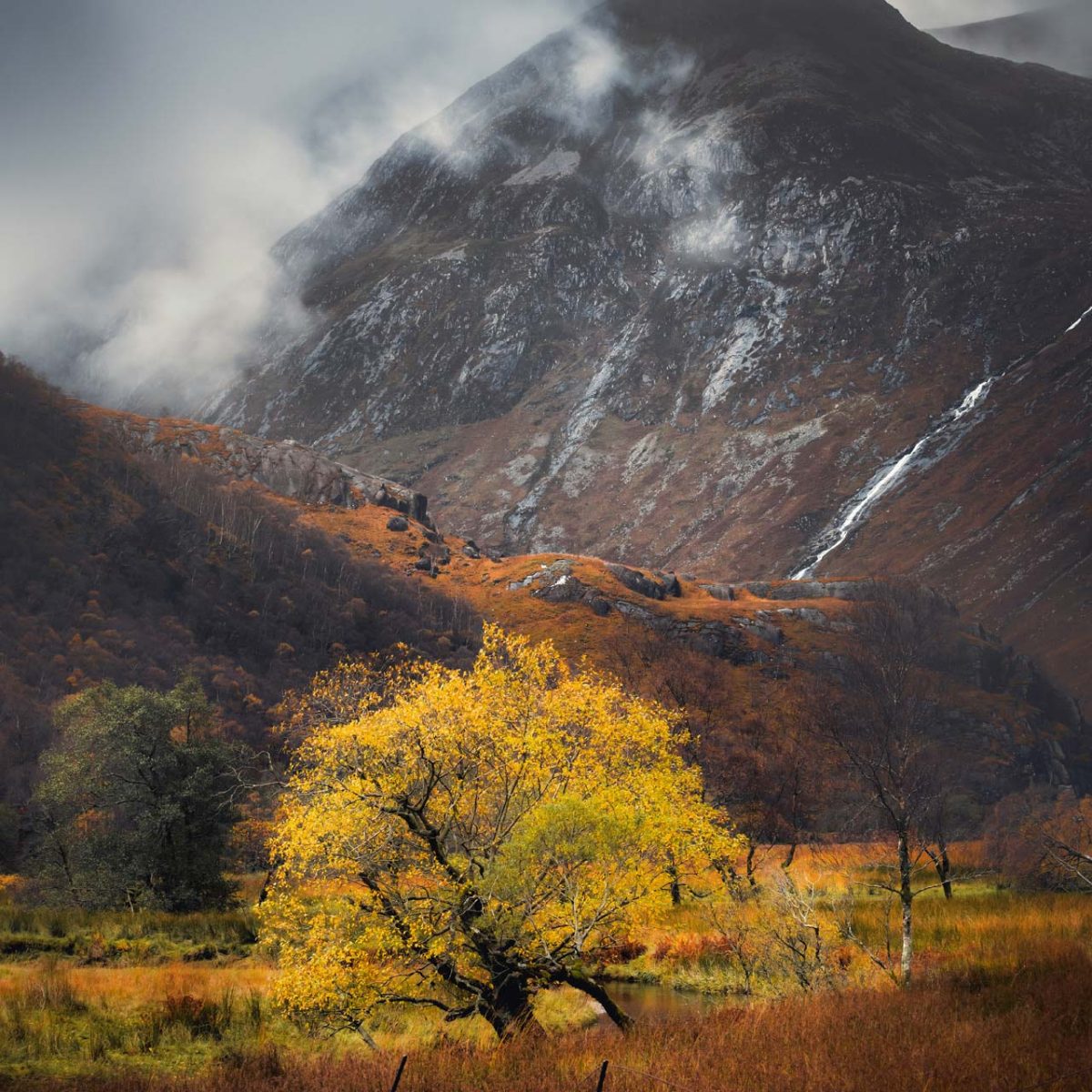
The cultural narrative of Scotland is perhaps most vividly woven into the patterns of tartan and tweed, a craft that Araminta Birse-Stewart, the founder of Araminta Campbell, has elevated to a form of contemporary art. To Birse-Stewart, these textiles are not just clothing; they are a visual language rooted in the geography of the landscape and the lineage of family history. Her work involves a fascinating process of foraging for plants within the local terrain, using their pigments to create natural dyes that mirror the muted, shifting colors of the Highlands. This is an exercise in cultural understanding, where the weaver acts as a translator between the physical environment and the human form. Weaving, in her hands, is revealed to be a complex, physical craft that demands both a rigorous, encyclopedic knowledge of history and a forward-looking design sensibility. It is the art of grounding the abstract concepts of heritage in the tactile reality of cloth.
Together, these three traditions represent a transformational framing of the Scottish identity. They argue that the greatest value of a craft lies in its ability to connect the past to the present, transforming raw elements—fiber, grain, and color—into objects of enduring worth. There is an emotional precision to these practices; whether it is the darning of a cashmere shawl, the monitoring of a whisky fermentation, or the careful tensioning of a loom, every action is heavy with the weight of generations. The artisans involved are not just producing goods; they are maintaining a continuity that is increasingly rare in the global marketplace. In a world that is obsessed with the "next," Scotland’s craft traditions offer the necessary, grounding perspective of the "always." The patience of the distiller, the precision of the weaver, and the instinct of the mill worker are all components of a broader, strategic storytelling. They tell a story of a culture that refuses to be rushed, a society that recognizes that the most profound human achievements are those that take time to mature. This is the enduring strength of the Highlands: the recognition that if you tend to the fiber, the grain, and the pattern with enough reverence and enough skill, the result is something that transcends its own utility. It becomes a piece of history that one can hold in their hand, a tangible manifestation of a landscape that has always demanded the best of those who seek to create within it.
As the global economy continues to accelerate, the artisans of Elgin, Forres, and the Highland glens remain steadfast. They are the guardians of a knowledge base that cannot be downloaded, digitized, or replicated by an algorithm. Their work serves as a reminder that the human touch—the ability to feel the texture of the wool, to smell the character of the maturing spirit, to see the subtle hue of a plant-derived dye—is the ultimate luxury. It is a craft that connects the consumer to the source, reminding them that behind every object they use, there is a person, a place, and a tradition that has survived because it was built to last. In the end, the greatness of Scottish craftsmanship lies in its humility; it is the quiet, daily commitment to doing the work well, knowing that in the long span of history, that is all that truly endures.