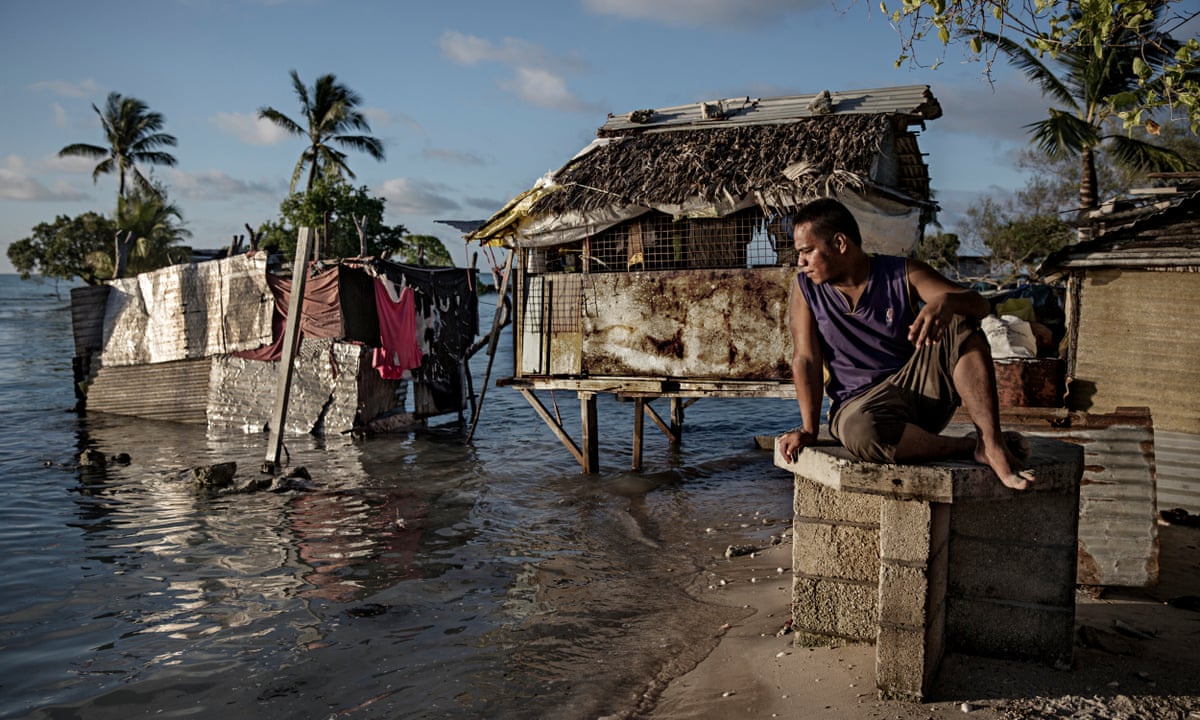
The intriguing and ingenious suits of armor from the Pacific island state of Kiribati tell a profound story of resilience, traditional culture, and unique warfare, with their preservation and study being significantly aided by the British Museum. Kiribati, an archipelago of atolls in the Central Pacific Ocean located where the International Date Line loops to define the world’s most advanced time zone, has yielded some of the most fascinating artifacts in the entire Oceania collection. These objects, primarily dating from the period of contact between the I-Kiribati people and European traders, sailors, whalers, and missionaries, offer a vital window into a complex society.
The museum's collection storerooms serve as active, living, vibrant spaces where visitors from source communities are regularly hosted to engage with items from their islands, reconnect with them, research them, and "greet them". The British Museum's role in preserving and displaying these pieces extends beyond mere conservation; it illuminates the history of interaction and the true purpose of the armor. When European visitors first encountered the I-Kiribati warriors, the visual spectacle was considered "an awesome sight". This fascination, however, led to a stereotype of the I-Kiribati as a "warlike people".
Closer examination of the items in the collection, such as the coconut fiber garments and shark-tooth weapons, demonstrates that the armor was actually evidence of a system designed to control combat and minimize bloodshed. The type of warfare was localized, often village against village, centered on disputes over access to land and resources. Crucially, the aim was generally not to kill, but rather to inflict a wound, and if a warrior was accidentally killed, the person responsible would be punished by losing access to land.
Related article - Uphorial Shopify

The most ingenious armour you've never heard of
The armor itself is a testament to immense human effort and creativity. The base layer is a garment resembling European dungarees, made entirely from te kora, or coconut fiber cord. The process for creating this resilient cord is extremely labor-intensive, involving soaking the coconut husk in clay mud in the sea at low tide for about three months until it is rotten, beating it on a log, rinsing, drying, and finally rolling it on the leg. This arduous work made the acquisition of a complete suit of armor rare, suggesting it was likely worn only by selected individuals in ritualized one-on-one combat. The upper body armor, known as a Kiribati cuirass, is also made of coconut fiber but reinforced with palm wood struts for stability and support. The cuirass frequently features a distinctive head guard rising above the wearer's head, intended to protect from stones thrown by their own people.
The weapons—which included huge spears, swords, and small daggers—were edged with thousands of individually drilled shark's teeth, lashed on using coconut fiber cord. Equally striking is the helmet, which is ingeniously fashioned from the dried body of an inflated porcupine fish. Captured while inflated, the fish was buried in the sand for several days, allowing insects to consume the internal organs while the skin dried out to form the spiky helmet. While not the most practical protection, the helmet's primary function was to "wow your enemy" and create that awesome visual impact.
The British Museum's historical engagement with these items is notable, evidenced by the visit of a man named Bob (known as Kiribati Bob) in the 1870s. Bob traveled from the Pacific to London with a British trader and engaged directly with the museum's collections, including wearing the exact cuirass seen in the current collection. This ongoing relationship with the I-Kiribati people continues today, particularly as groups work to relearn and maintain the traditional, complex techniques of making this coconut fiber armor, sometimes finding inspiration in traditional fishing net methods.
To share the full impact of these artifacts, the British Museum conserved an entire suit of armor and created a detailed mannequin, preparing it for a major international touring exhibition called Islanders, Voices from the Pacific, currently on display in Barcelona. Standing before the display, one can grasp the "intricacy of the armor, the layers of the armor, the coconut fiber, the amount of cordage," and the skill involved in their creation, confirming that the creativity of Kiribati culture is absolutely amazing.