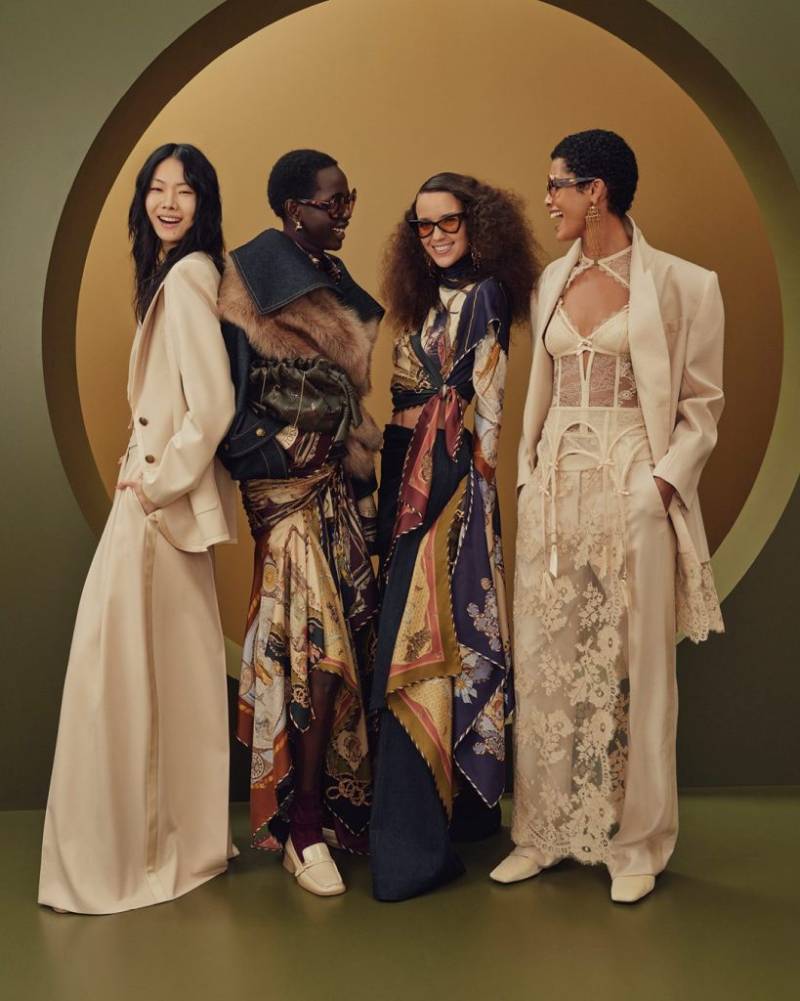
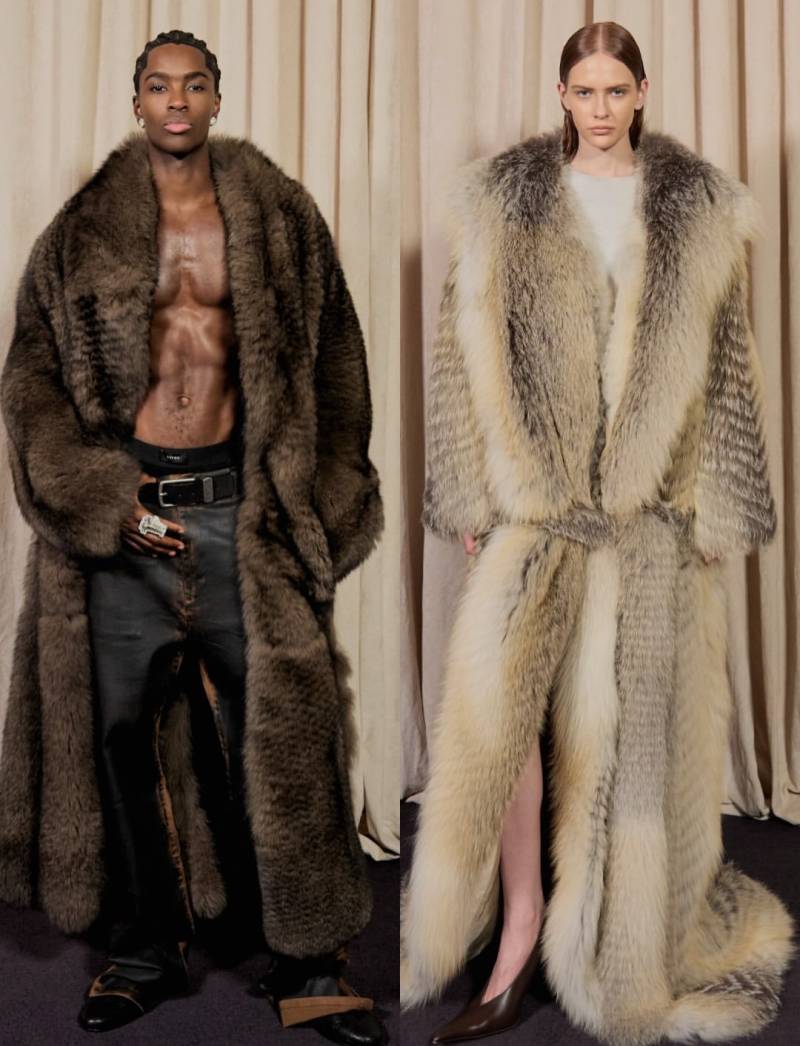
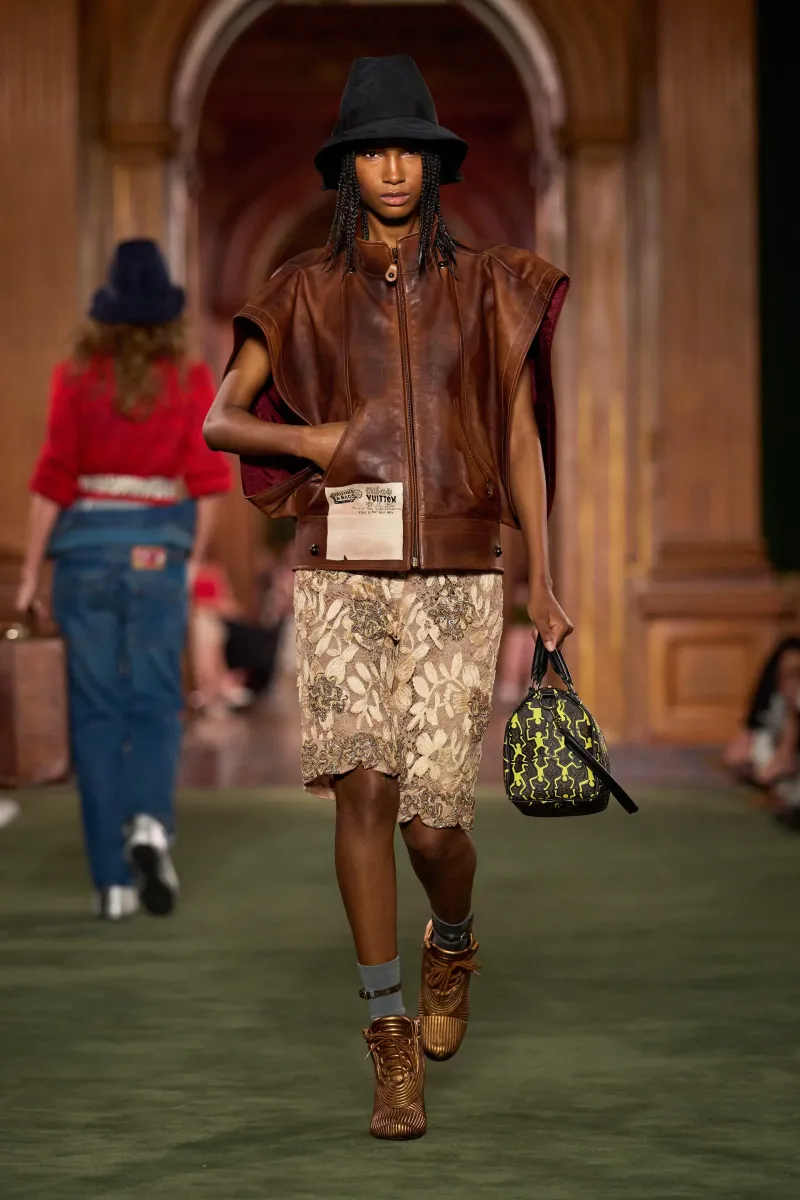
The Metropolitan Museum of Art has officially entered a new era of curatorial ambition with the debut of Costume Art, the spring 2026 exhibition that serves as both a landmark exploration of fashion and the inaugural display within the museum’s expansive new Condé Nast Galleries. Positioned directly adjacent to the Great Hall, this 12,000-square-foot space signals a significant shift in the institution’s priorities, elevating fashion from a peripheral department to a site of central intellectual and artistic prominence. Curated by Andrew Bolton, Curator in Charge of The Costume Institute, the exhibition is a profound meditation on the "dressed body," tracing its representation through 300 years of human history and across the vast, diverse landscape of the museum’s permanent collection.
At its core, Costume Art is a rejection of the traditional museum tendency to treat fashion as an isolated aesthetic spectacle. Instead, Bolton utilizes the body as a unifying principle, juxtaposing over 200 garment and artwork pairings to reveal the indivisible connection between the wearer and the worn. The exhibition is organized into a series of thematic "body types," each designed to challenge historical hierarchies and illuminate connections that span time and geography. By pairing centuries-old paintings with modern couture, the show collapses conventional divides between media, period, and discipline, asserting that the dressed body is one of the most enduring subjects of Western art.

Related article - Uphorial Shopify

The exhibition begins with a nuanced exploration in the orientation gallery, where visitors are invited to distinguish between the concepts of nakedness and nudity. This foundational exercise establishes the show’s primary concern: the relationship between bodily autonomy and cultural expectation. Contemporary designers like Delara Fini are featured to highlight how modern approaches to the body contrast with historical ones, framing the body as a site of reclamation. As the tour progresses, the exhibition celebrates bodily diversity through themes such as the Classical body—which highlights balance and symmetry—and the Abstract body, which explores how structures like corsets and panniers distort or enhance anatomy. This section features the Reclaimed body, where boundaries between body and garment are blurred, notably through the pioneering works of Rei Kawakubo for Comme des Garçons, which challenge our fundamental perceptions of shape and volume.
The exhibition then moves into a gallery focused on the commonalities that unite us, organized around the Anatomical, Vital, Aging, and Mortal bodies. This is perhaps the most emotionally resonant portion of the tour, as it moves beyond surface-level aesthetics to address the material realities of the human condition. Key discussions include Robert Wun’s skin-inspired designs, which emphasize vulnerability, and Yuma Nakazato’s modular ensembles that reflect aging as an accumulation of lived experience. By prioritizing presence over perfection, the exhibition challenges visitors to engage with the body’s strengths, weaknesses, and miraculous diversity as a shared, universal experience.
The exhibition concludes by examining the skin as the largest organ and a communicative interface for cultural expression. Works such as Tamaya Hiokawa’s skin-series bodysuits are juxtaposed with artworks that interrogate historical hierarchies of race and color symbolism, providing a deliberate counterpoint to pieces that address systemic biases, such as the "brown paper bag test." These pairings are intended to spark vital conversation around how our perceptions of the body are conditioned by social, political, and historical contexts. It is a strategic storytelling choice that forces the viewer to acknowledge that the clothes we wear are never merely functional; they are extensions of our identity, our history, and our aspirations. Ultimately, Costume Art is a testament to fashion's status as a critical medium for understanding human resilience and diversity. By moving the collection into the heart of the museum, The Met is making a definitive statement about the role of clothing in the cultural narrative. The exhibition does not just present fashion as an art form; it positions the dressed body as the museum’s connective tissue. As visitors move through the new galleries, the experience is intended to be one of discovery—an invitation to see the connections that have always existed but were perhaps previously unmapped. In doing so, Andrew Bolton and his team have created a milestone exhibition that ensures fashion is understood not just as a reflection of the moment, but as a mirror for the entire sweep of human creative expression.