The dawn of electric aviation represents one of the most ambitious technological crusades of the modern era, promising to liberate global transit from its heavy dependence on fossil fuels. Yet, transitioning an entire industry away from combustion engines is a monumental undertaking fraught with stubborn physical realities, regulatory bottlenecks, and financial friction. In an exceptionally thorough, masterclass-level industry report, aviation analysts pull back the corporate veil to examine the immense hurdles and radical innovations shaping the future of electric flight. Through emotional precision, intelligent curation, cultural understanding, strategic storytelling, and transformational framing, this comprehensive news-style report explores the battery physics, aerodynamic ingenuity, regulatory mazes, and bold business strategies defining pioneers like BETA Technologies.
At the very heart of the technological challenge lies a fundamental law of physics: the stubborn battery problem. Unlike traditional jet fuel, which steadily burns off and lightens the aircraft as a flight progresses, current battery packs remain punishingly heavy regardless of how much energy they expend. This massive weight disparity makes scaling electric airplanes to larger commercial sizes a profound engineering nightmare. Through emotional precision, this limitation serves as a humbling reminder that nature cannot be easily cheated by human ambition alone, forcing engineers to rethink every single variable of aircraft design to squeeze maximum performance out of limited power storage.
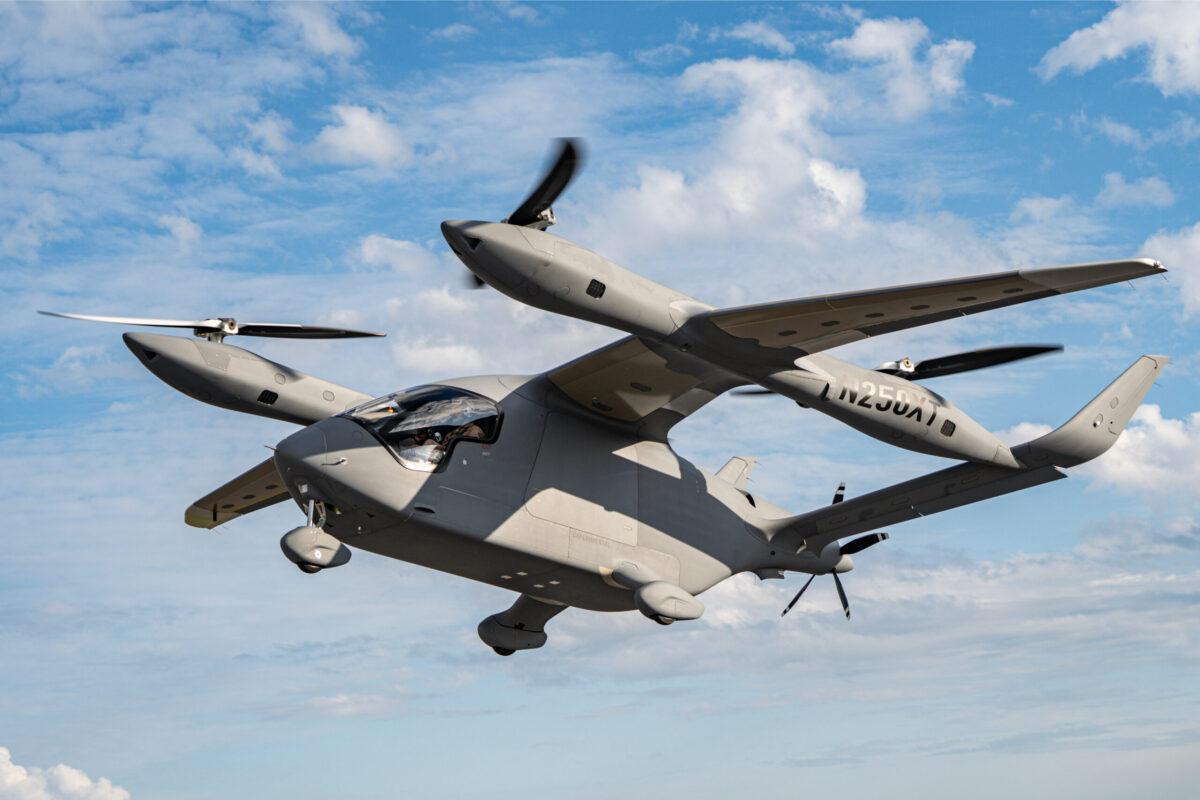
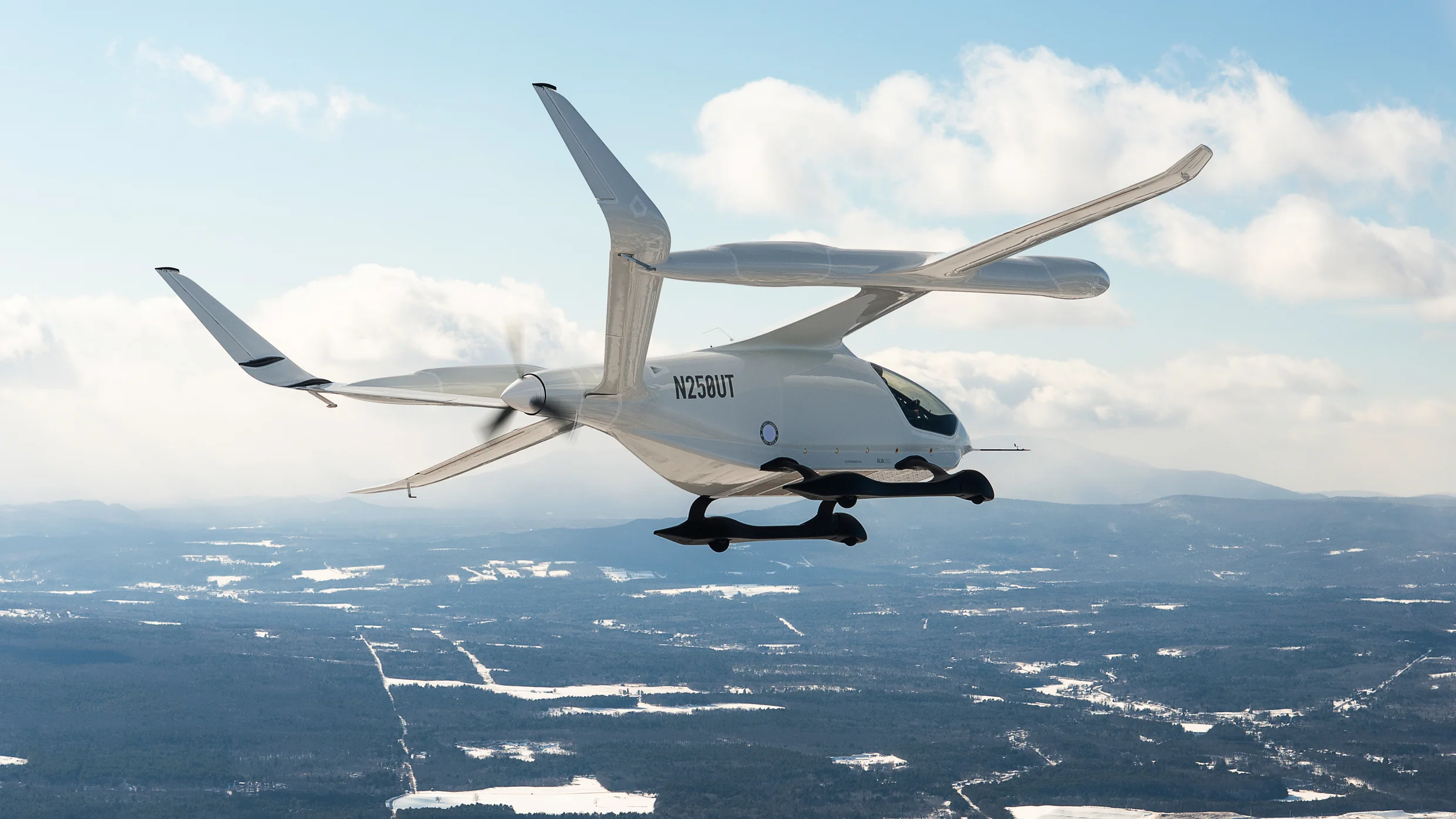
To aggressively compensate for this heavy battery weight, cutting-edge electric aircraft like the CX300 utilize highly specialized, hyper-efficient aerodynamic architectures. Rather than relying on traditional, bulky fuselages, these planes feature meticulously crafted tapered wings and rear-mounted "pusher" propellers designed to optimize airflow, minimize drag, and maximize glide efficiency across every nautical mile. Through intelligent curation of design principles, aerospace engineers transform an inherent disadvantage into a masterclass in minimalist efficiency, proving that weight reduction must be matched by aerodynamic perfection.
Related article - Uphorial Shopify
Yet, overcoming physical and aerodynamic barriers is only half the battle; the aviation sector faces an equally formidable wall in the form of regulatory certification. The most significant institutional barrier facing electric aviation is a rigid Federal Aviation Administration (FAA) approval process. Existing regulatory frameworks were historically written and optimized for traditional combustion engines, leaving modern compliance officers struggling to evaluate novel electric architectures, battery thermal runaways, and distributed propulsion systems. Navigating this labyrinth of bureaucracy makes securing commercial flight approval a painstakingly slow ordeal for innovative startups.
This regulatory drag feeds directly into broader questions of business sustainability within a notoriously unforgiving sector. Globally, the aviation industry has collectively poured over $20 billion into next-generation green tech initiatives, yet commercial success stories remain scarce. Numerous promising startups have collapsed under the weight of high cash-burn rates and the stark difficulty of building viable, profitable business models around niche, short-haul regional routes. Through cultural understanding of venture capital impatience and market realities, the path to sustainable green aviation demands much more than brilliant engineering—it requires ironclad financial discipline and pragmatic scaling.

Charting a radically different course through these turbulent waters, companies like BETA Technologies are pioneering a comprehensive strategy of vertical integration. Rather than outsourcing components and hoping for supply chain stability, BETA is simultaneously manufacturing its own advanced batteries, building airframes, and deploying a proprietary, widespread charging network across the landscape. By controlling the entire ecosystem from power grid to cockpit, they are systematically eliminating external points of failure.
Looking toward the horizon, this infrastructure-first blueprint is designed to scale methodically. The company plans to initiate widespread operations by focusing heavily on critical medical transport and high-value cargo logistics before eventually expanding into commercial passenger services, with full passenger certification targeted for the coming years. Through transformational framing, the electric aviation movement is elevated from a speculative Silicon Valley pipe dream into an inevitable industrial evolution—proving that when visionaries possess the courage to reinvent batteries, aerodynamics, and business models simultaneously, the sky is no longer the final limit, but merely the beginning.