NEW YORK – The modern hotel experience is often treated as a transactional commodity—a series of check-in codes, digital keys, and automated amenities. Yet, behind the polished marble of the lobby and the efficiency of the reservation system lies a complex, human-centered ecosystem that relies heavily on the nuanced interplay between the guest and the staff. In a revealing discourse, industry veterans, ranging from seasoned concierges to front-desk agents, have pulled back the curtain to offer an insider’s guide to navigating the hospitality world. Their insights do more than suggest practical tips; they provide a transformational framing of the hotel stay, shifting the guest’s perspective from one of entitlement to one of mutual respect and strategic partnership.
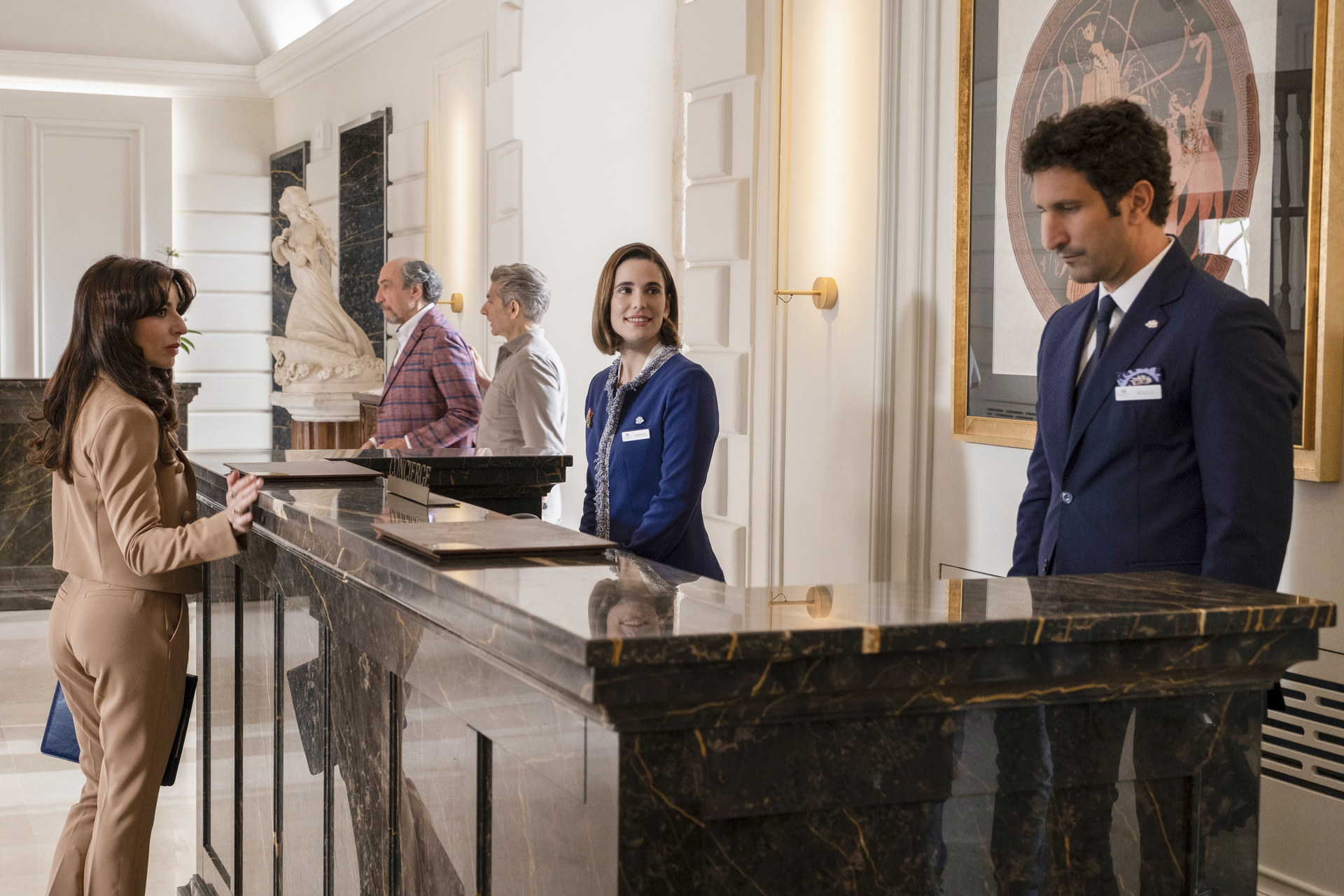
At the very heart of this ecosystem is the front-desk team, the gatekeepers of the hotel’s internal geography. There is a prevailing myth that room assignments are purely algorithmic, but the reality is profoundly human. The agents confirm that the power to upgrade a room, provide a late check-out, or grant access to exclusive perks lies not in a system command, but in the hands of the person standing behind the desk. The advice here is rooted in emotional precision: treat the staff with the dignity of a fellow professional. A simple, genuine engagement, an acknowledgment of the person beyond the uniform, and a modest, proactive tip upon arrival can fundamentally change the trajectory of a stay. It is a reminder that in an increasingly automated world, the oldest human currency—kindness—remains the most effective tool for accessing the hidden, premium layers of hospitality.
This social contract extends into the practicalities of booking, where the industry veterans offer a clear directive: abandon the convenience of third-party platforms in favor of direct engagement. Booking through third-party sites may offer the illusion of choice, but it strips the hotel of the ability to prioritize the guest’s needs. When a guest books directly, they aren't just securing a room; they are opening a direct line of communication with the staff. This creates the flexibility to request specific preferences and ensures that, should an issue arise, the hotel is empowered to resolve it without the interference of a commission-driven intermediary. It is a strategic shift that prioritizes the long-term relationship between the traveler and the property over the short-term search for the lowest price.

Related article - Uphorial Shopify

The conversation also demystifies the often-confusing architecture of hotel policies, particularly the concept of "incidentals." Many guests arrive at the desk with a vague, often anxious misunderstanding of these charges, viewing them primarily as punitive breakage fees. The staff clarifies that incidentals are, in fact, a functional tool for the guest, intended to streamline the experience of dining, drinking, and utilizing on-site activities. The reality of minor, accidental breakage is often far less draconian than the guest imagines, frequently handled with discretion by the housekeeping and maintenance teams. This understanding removes a layer of unnecessary tension from the check-in process, allowing the guest to inhabit the room with a sense of security and comfort.
However, the veterans do not shy away from the darker, more frustrating aspects of the job. Their insights into "lobby conduct" and the sanctity of the room are a necessary dose of cultural understanding. They express a palpable exhaustion with guests who treat common areas—like lobbies—as private extensions of their living rooms, whether by walking barefoot or allowing children to treat public furniture as a playground. These are shared spaces, and the request is simple: respect the communal fabric of the hotel. Even more startling are the anecdotes regarding the "crazy" items found by housekeeping—from illicit substances hidden in ventilation systems to discarded items that defy belief. These stories act as a sharp, necessary warning: the hotel room is a temporary sanctuary that must be surrendered in the same state it was received, a basic tenet of common decency that is too frequently ignored.
Even the morning ritual of the continental breakfast is subjected to the scrutiny of those who know the inner workings of the kitchen. There is a strategic, albeit unappetizing, warning regarding buffet staples: approach pre-cooked bacon and carton-based powdered eggs with extreme caution. This is not merely a critique of taste, but a glimpse into the logistical realities of high-volume food service, where the desire for efficiency often comes at the expense of quality. It is a detail that exemplifies the insider’s advantage: knowing what to skip is just as important as knowing what to ask for.
Ultimately, the consensus among these hospitality professionals is that the quality of a stay is rarely determined by the thread count of the sheets or the view from the window. It is determined by the intelligence of the guest’s interactions and their capacity to recognize the humanity of those who maintain the space. By acknowledging the power of the front-desk agent, respecting the property, and engaging directly with the hotel, the traveler transforms their experience from a passive consumption of services into an active, positive engagement. The hospitality industry, at its best, is a collaborative endeavor—a partnership between the guest who seeks a temporary home and the staff who work tirelessly to ensure it remains one. In an era that often feels increasingly disconnected, these insider tips serve as a profound invitation to reclaim the grace, courtesy, and mutual respect that make travel not just a journey, but a deeply human experience.