The contemporary architecture of international commerce is navigating a treacherous historical juncture, defined by rising geopolitical fragmentation, protectionist impulses, and the systemic strain of unilateralism. Within this volatile global theater, World Trade Organization Director-General Ngozi Okonjo-Iweala stands as a resolute reformer steering the world’s trading system toward stability. In an exceptionally luminous, masterclass-level economic and leadership feature report, global trade analysts and geopolitical chroniclers examine her visionary stewardship and uncompromising commitment to institutional resilience. Breaking down the surprising resilience of rules-based trade amid global tension, the urgent modernization of subsidy and development frameworks, her harrowing personal sacrifices in the fight against Nigerian fuel subsidy corruption, the strategic necessity of decentralized "reglobalization," and the explosive frontier of digital service trade, this comprehensive news-style report explores a transcendent journey into global governance. Through emotional precision, intelligent curation, cultural understanding, strategic storytelling, and transformational framing, this piece captures the unyielding courage required to mend a fractured world.
The exploration of global commerce begins with a sobering assessment of the international trade system, which faces unprecedented pressure from rising nationalism and supply chain weaponization. Yet, beneath the headlines of impending fragmentation, a vital structural reality persists: approximately seventy-five percent of global trade continues to operate smoothly under established WTO rules and predictable tariff schedules. Through emotional precision, realizing that billions of daily transactions, livelihoods, and international dependencies still rest on a fragile framework of cooperative law evokes a profound sense of awe—a stark reminder that global interconnectedness is fiercely defended by quiet institutional guardians.

Related article - Uphorial Shopify
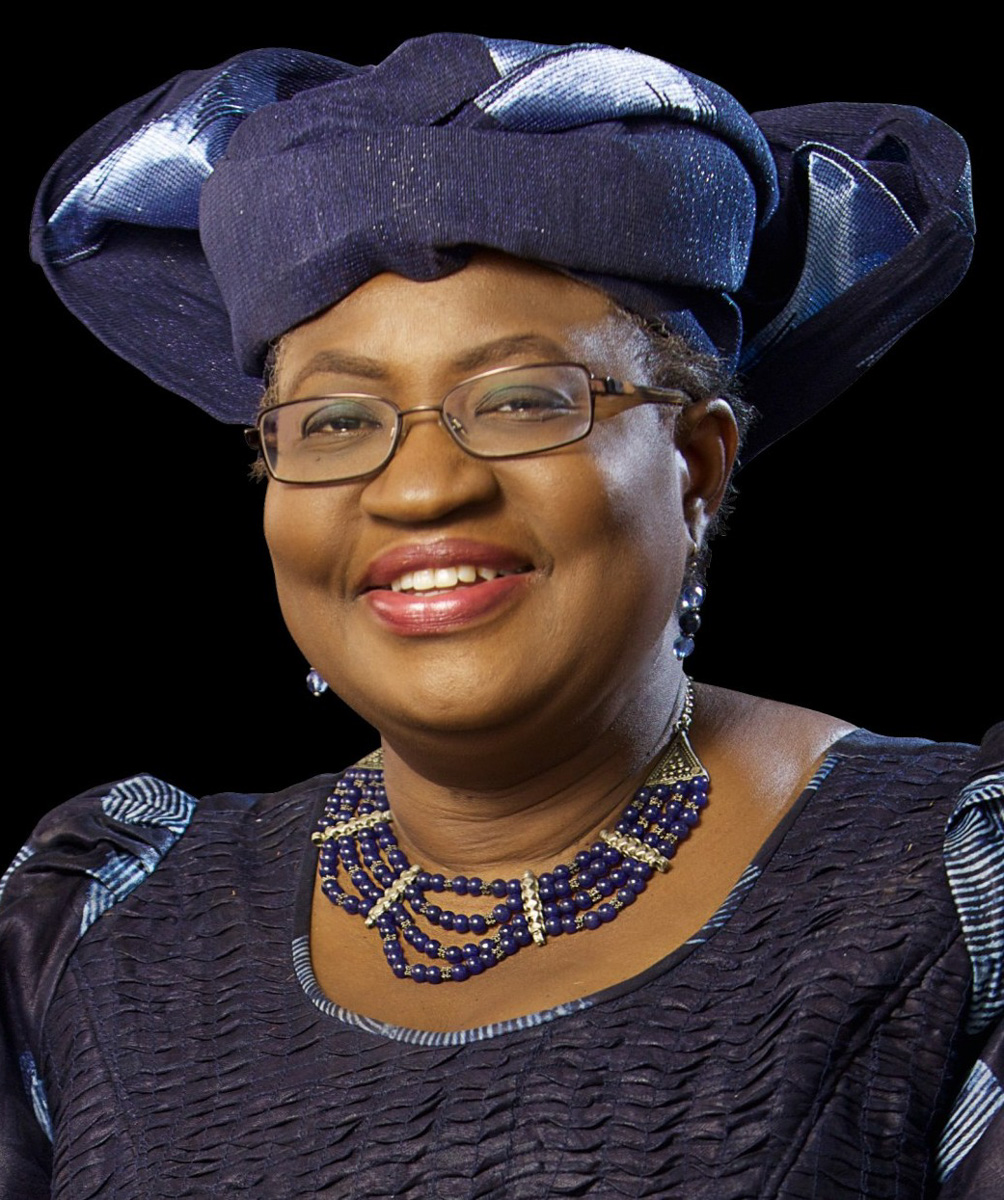
At the center of current diplomatic friction are bitter debates surrounding industrial subsidies and the classification of economic powerhouses like China within modern trade law. The WTO is actively working to update its foundational rulebook to reflect a twenty-first-century digital economy, pivoting deliberately away from a predatory "power-based" system toward an inclusive architecture that protects and uplifts developing nations. Through intelligent curation of global policy, this modernization effort seeks to ensure that international trade acts as a ladder of upward mobility for the Global South rather than an exclusive club for dominant superpowers.
This unshakeable dedication to institutional integrity and reform is forged in the crucible of Ngozi Okonjo-Iweala’s own remarkable public service legacy, particularly her tenure as Nigeria’s Finance Minister. Tasked with dismantling entrenched, fraudulent fuel subsidy cartels that bled the nation's treasury, she faced ferocious political retaliation, including explicit death threats and the traumatic kidnapping of her eighty-three-year-old mother. Refusing to yield to terror, she navigated that dark chapter with extraordinary fortitude, transforming profound personal trauma into an unyielding anchor for professional integrity and tactical patience. Through cultural understanding of the immense perils reformers face in developing economies, this biographical revelation highlights the heavy, human cost of standing up to entrenched corruption.
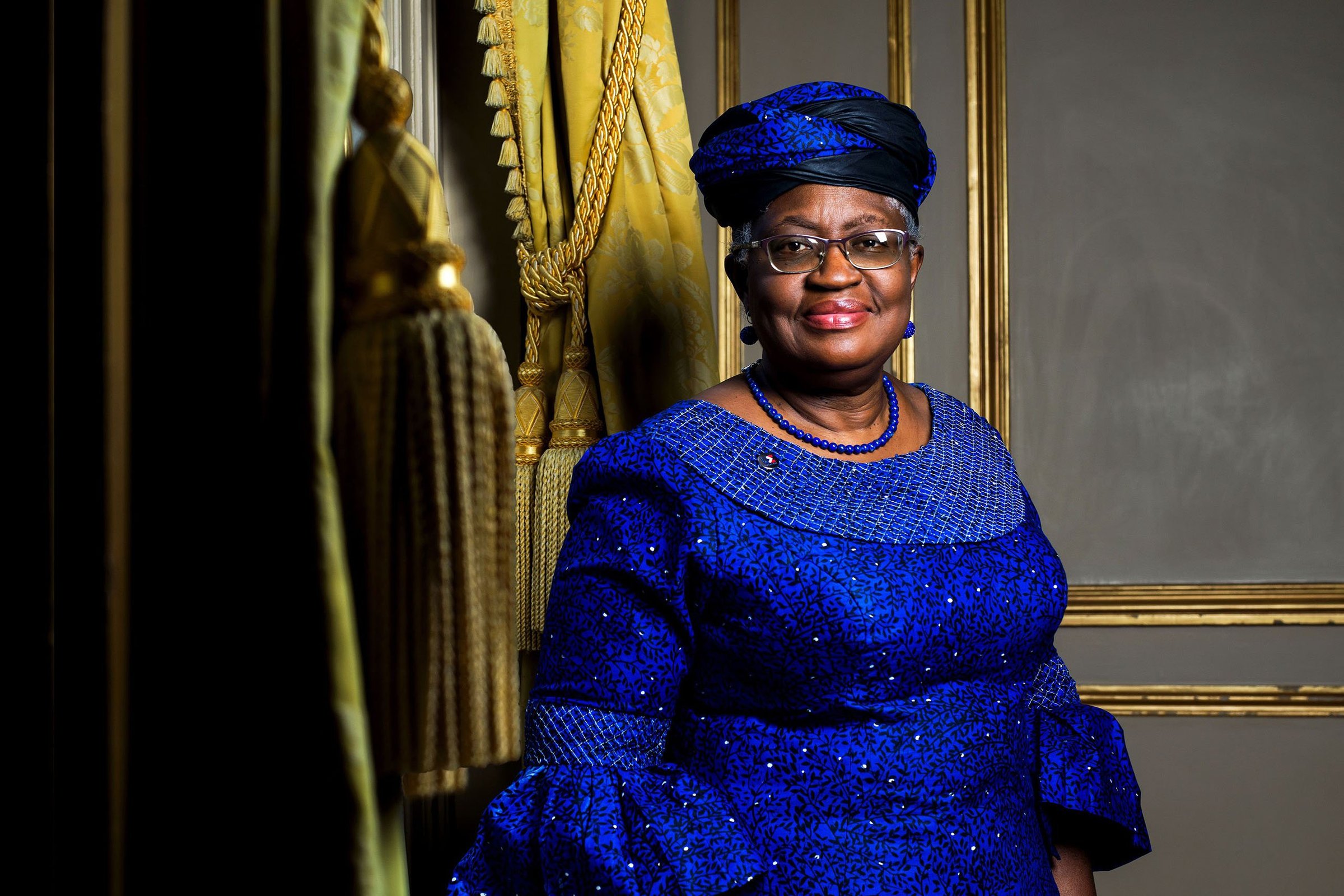
Channeling those lessons on the world stage, the Director-General is actively championing the concept of "reglobalization" to cure the vulnerabilities exposed by pandemic-era and geopolitical shocks. Rather than retreating into total economic isolationism or depending blindly on single, hyper-concentrated manufacturing hubs, the WTO is spearheading the intelligent decentralization of supply chains—spreading production networks across diverse regions to build structural redundancy and shock absorption. Through strategic storytelling, the evolution from fragile, hyper-efficient globalization to resilient, diversified reglobalization mirrors the classic narrative of survival through adaptation.
The modern trade frontier is further complicated by the explosive rise of digitally delivered services—encompassing everything from streaming cinema and remote education to telemedicine—which currently represents the fastest-growing sector of world commerce. This digital expanse has sparked fierce new regulatory battles concerning cross-border data taxation, national sovereignty, and fair digital access. Through transformational framing, Okonjo-Iweala’s leadership at the WTO transcends standard bureaucratic administration; it stands as a brilliant global milestone, proving that when unwavering moral courage meets the complex machinery of international diplomacy, institutional integrity can successfully guide humanity through the storm.