The history of the ancient Mediterranean has long been dominated by the towering shadow of the Roman Empire, a narrative so encompassing that it has frequently obscured the very foundations upon which it was built. For centuries, the Etruscan civilization—a sophisticated, vibrant, and deeply innovative culture that flourished in central Italy between the ninth and first centuries B.C.—has been relegated to the periphery of historical consciousness. However, a landmark exhibition currently underway at the Legion of Honor in San Francisco, The Etruscans: From the Heart of Ancient Italy, is orchestrating a profound correction. By bringing together nearly 200 rare artifacts, many never before seen in the United States, this exhibition invites the public to look past the Roman veneer and rediscover the architect of much of Western civilization’s early brilliance.
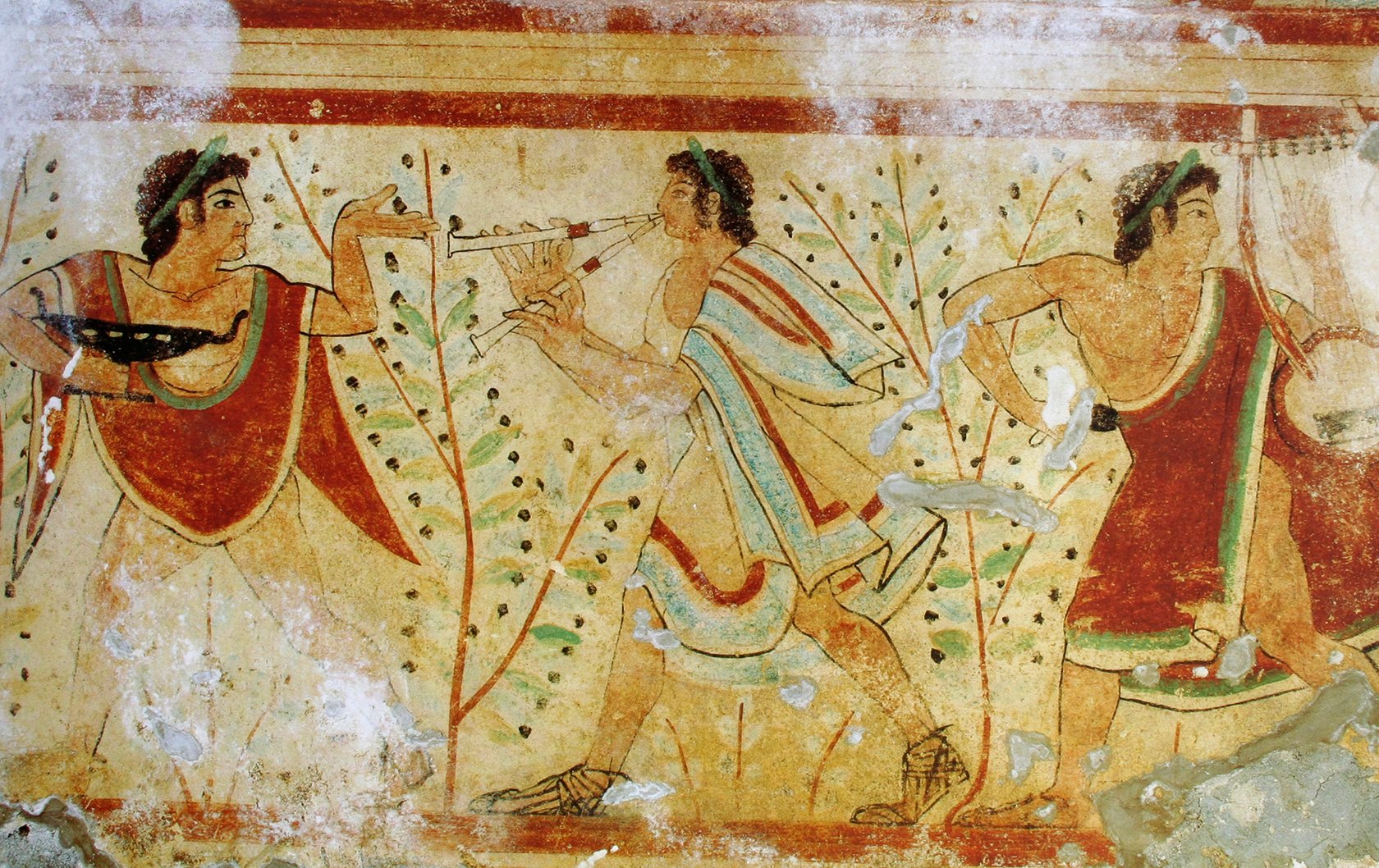
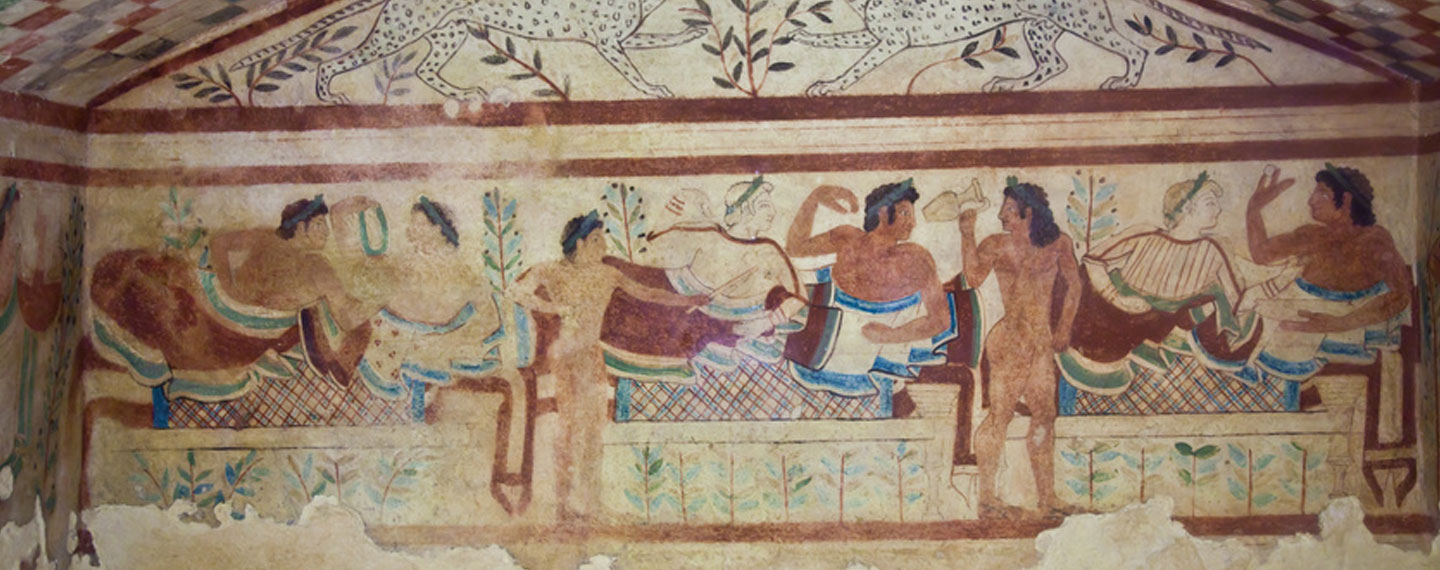
The Etruscans were not merely precursors to the Romans; they were the masters of an era defined by a unique zest for life and a technological prowess that would eventually become the hallmark of the Roman state. As visitors walk through the galleries at the Legion of Honor, they are confronted with a civilization that prioritized life, luxury, and social complexity. Unlike the often rigid hierarchies of their contemporaries, the Etruscans cultivated a progressive society where women participated fully in social life, a reality vividly preserved in their vibrant tomb paintings and funeral art. The famous banquet scenes found in their necropolises suggest a relaxed, egalitarian existence that would have been unthinkable in many other ancient cultures.
This exhibition serves as an intelligent curation of the Etruscan legacy, moving beyond mere archaeology to touch upon the emotional precision of their daily life. The artifacts on display—from dazzling gold jewelry to intricate bronze sculptures—reveal a people who mastered the earth’s raw materials. Etruria was rich in copper, tin, and iron, and their bronzesmiths were the most accomplished in the Mediterranean, exporting finely crafted goods that influenced cultures from Egypt to Greece. This technological sophistication extended into the realm of the practical, where their mastery of hydraulic engineering allowed for the construction of advanced drainage systems, including the famous Cloaca Maxima, which would later become the lifeblood of Roman urban sanitation.
Related article - Uphorial Shopify
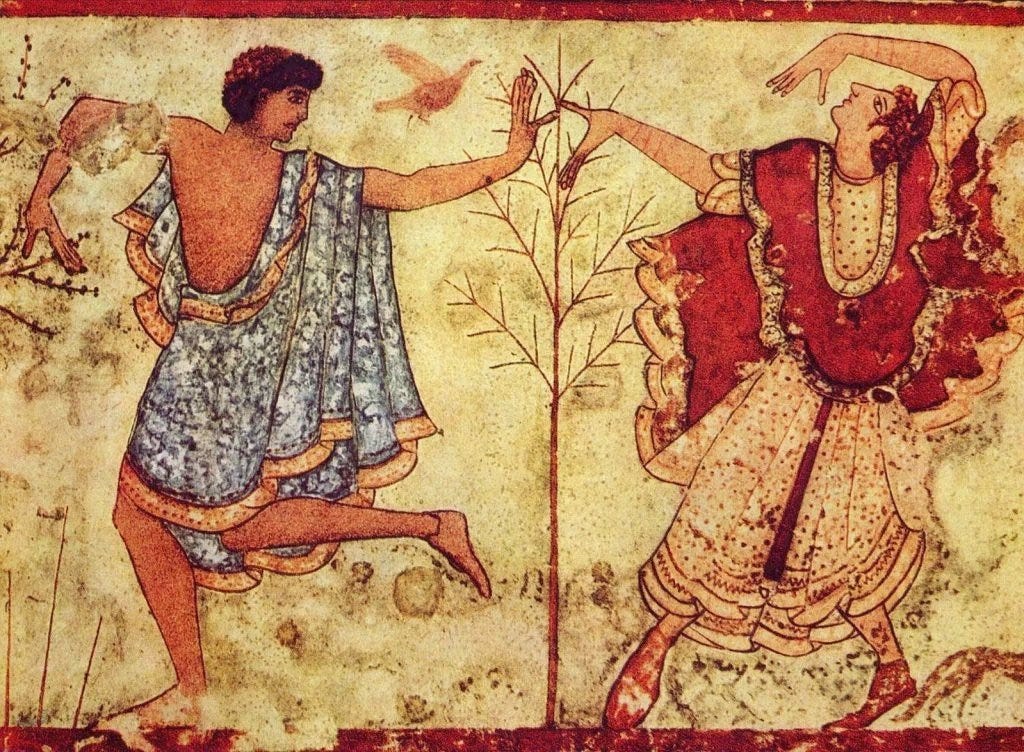

A significant portion of the exhibition is dedicated to the sacred and the ritualistic, offering a cultural understanding of a people who viewed death as a continuation of life’s pleasures. The elaborate necropolises and grandiose tumuli were designed as liminal spaces, reflecting a belief system that viewed the afterlife with optimism rather than dread. Perhaps the most compelling artifact on display is the Liber Linteus, a third-century B.C. liturgical calendar that stands as the longest-surviving piece of Etruscan writing. While the Etruscan language remains partially shrouded in mystery, its presence here serves as a powerful testament to a culture that possessed a highly developed administrative and religious consciousness, one that was systematically absorbed into the Roman Republic as the Etruscans were integrated into the state.
The exhibition at the Legion of Honor is the culmination of years of research, planning, and international collaboration with institutions like the Vatican’s Gregorian Etruscan Museum and the National Etruscan Museum of Villa Giulia. It is an act of strategic storytelling that reclaims the untold story of the Etruscans. By framing the exhibition through the lens of recent archaeological discoveries, the curators have created a transformational experience that forces us to re-evaluate our origins. Elements we often label as inherently Roman—from the architectural arch and organized city-states to the use of Roman numerals—are here revealed as fundamentally Etruscan inventions.
As we move through the exhibition, the narrative of their disappearance is dismantled. The Etruscans did not vanish; they were transformed, their identity woven into the fabric of the Roman world, their customs preserved in the religious and civic life of their successors. This reclamation of history is not just an academic exercise; it is a vital effort to understand the cultural heritage that continues to influence our present. The Etruscans: From the Heart of Ancient Italy is on view at the Legion of Honor through September 20, 2026. For those who seek to understand the deeper roots of the Western tradition, this exhibition provides an unparalleled opportunity to witness the craftsmanship, the joy, and the foundational brilliance of a civilization that was, for too long, hidden in plain sight. It is a reminder that history is not a static record of what has been lost, but a dynamic, unfolding legacy that waits to be reclaimed by those curious enough to look closer.