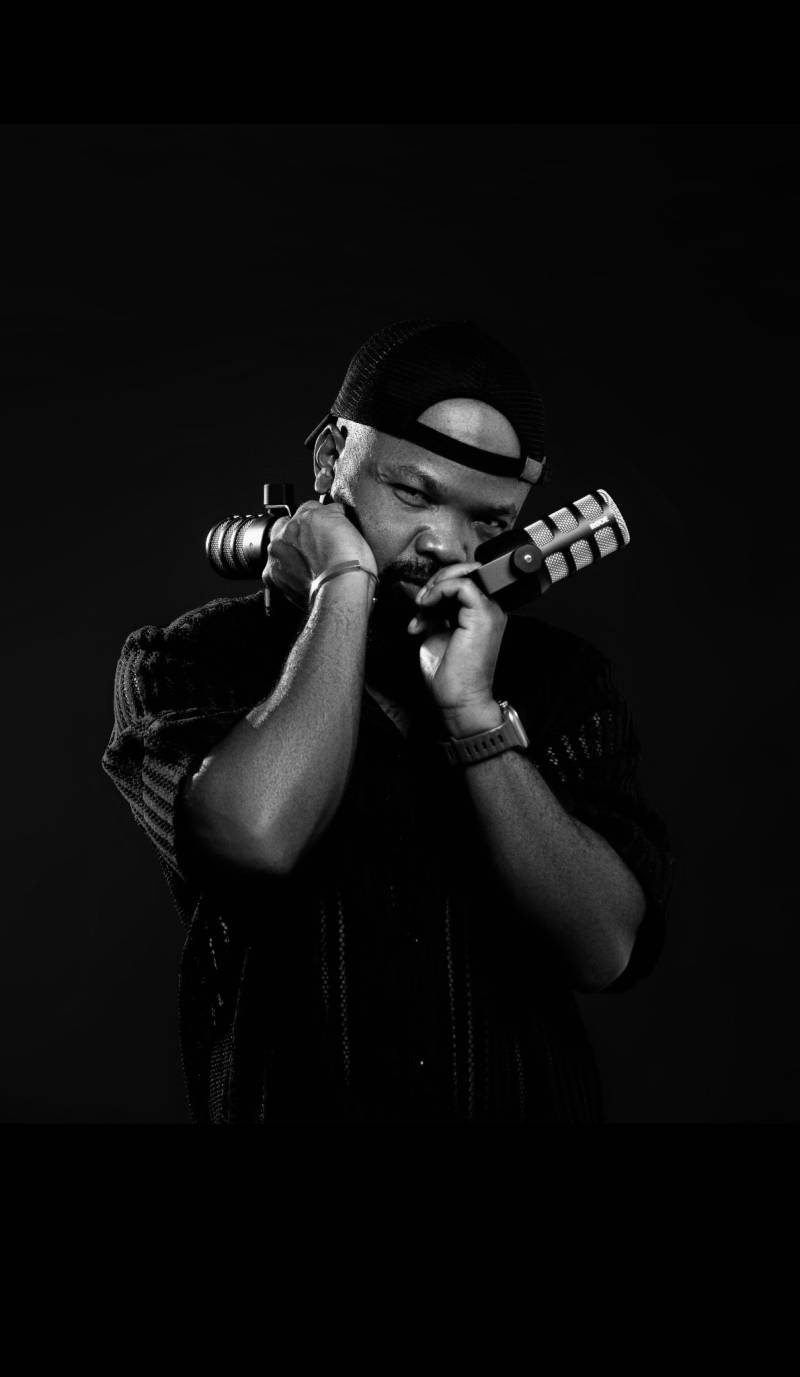
The state of Nigerian radio is critically compromised, a "deep coma" brought on by corporate indifference and a refusal to embrace digital evolution, according to a frank discussion featured on The Clarity Zone Podcast, hosted by Nedu and featuring outspoken On-Air Personality (OAP) N6. The conversation, which Nedu joked was expected to "cause a lot of trouble" and "vex a lot of CEOs" and industry sergeants, focused on what N6 termed the “death of radio” as it was conventionally known.
The core of the problem, according to N6, is that most radio station owners are businessmen who view the enterprise as a "tax write off" or their "last line of business". These CEOs are often preoccupied with major ventures like cinema franchises, political contracts, architecture, or banking, meaning the radio station suffers from a lack of specialized attention and passion. N6 cited the former owner of Cool FM, Mr. Aminu Musa, who was "artistically inclined" and ran the station perfectly, fostering a happy environment with creative shows and giveaways, including being the first person N6 knew that used to do giveaways. However, the issues began when Musa handed the station to his son-in-law, a pure businessman who "doesn't get it". This lack of passion meant that when employees brought up ideas, the CEO would often impose his will, saying, "my way or no other way," leading to the collapse of good ideas.
This faulty structure is sustained by the high cost of entry into the industry, as a radio license used to cost about 300 million naira. This high capital requirement excludes people with true passion for broadcasting, such as seasoned OAPs who should have been rich enough to afford their own stations. The consequence is a structure where an OAP's concerns must travel through a distant CEO—who might be "building a bridge" in a remote corner of the country—and a central HR department that handles multiple, disparate businesses, ensuring the OAP is managed by people who are often "as inconsequential as yours is".
Related article - Uphorial Shopify
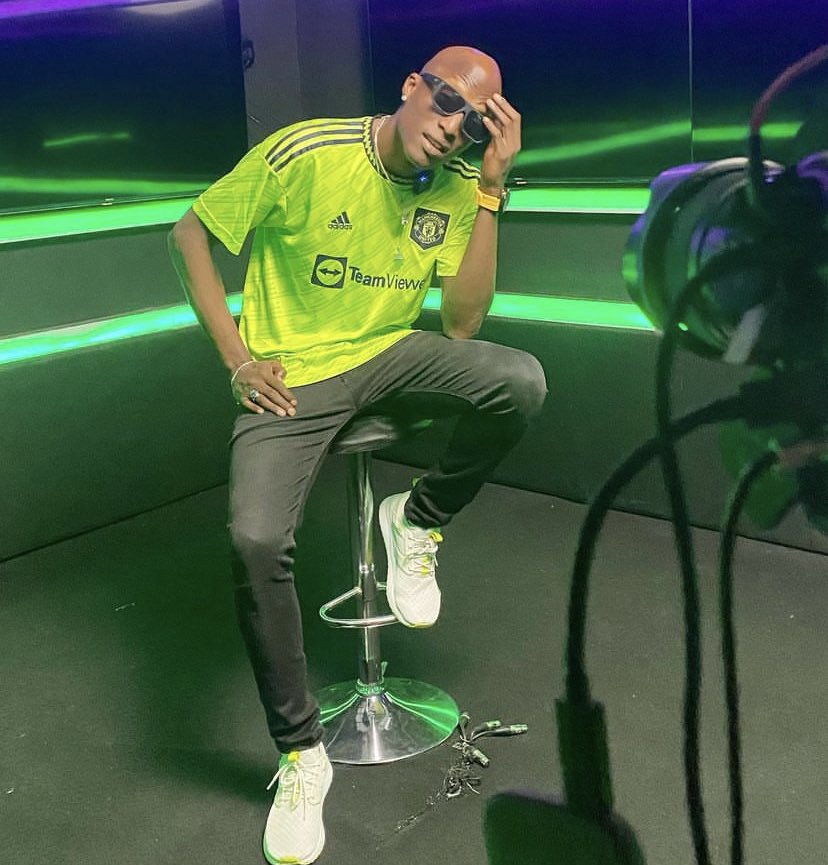
The result is the caging of the entertainer’s voice. N6, who realized life is "not promised" after a clinical death experience when he was younger, stated he refuses to be silenced. He argued that radical change to the corporate structure is necessary, asserting that running a radio station with a "military style," enforcing dress codes or stifling creativity, will "totally kill" the talent. Nedu, whose popular ‘Alhaji Musa’ skits were developed during his time at the station, echoed this, noting that he had to be entrepreneurial outside of his 30-minute newscaster role, shooting two skits daily, wearing wigs and beards, to earn revenue, while others were too "cool for school" to collaborate.
N6’s own career illustrates this toxicity. He revealed that his salary at Cool FM was a mere 35,000 naira for eight years. He only realized the meager amount and had his salary reviewed in 2019 after Cardi B, whom he interviewed, publicly told the CEO to give him a raise. Upon his resignation, after years of service and being owed back-dated money, he ultimately left with "nothing on public record"—zero naira—after a contentious argument over his send-off party, which was hosted in a remote hotel rather than the company lobby.
Beyond internal issues, the hosts agreed the primary external failure is the refusal to evolve. N6 vehemently denied that social media killed radio, stating that radio is the "template for podcasting". He argued that Nigerian stations should adopt the model of international shows like The Breakfast Club, which record their content and put it visually on YouTube, generating revenue and giving OAPs opportunities to earn from endorsements, sponsorships, and "considerations," such as being paid to wear a specific shirt. He noted that Nigerian stations are missing out on potential revenue from YouTube and TikTok by not adapting, and when they do, they often fail to share the revenue with the OAPs.
Ultimately, the consensus on The Clarity Zone Podcast is that radio is in a "coma," but that there is "hope". The OAPs must also heed the warning: build enough capital and branding outside the station so that when the management tells them to "get the fuck out," they can do so "without stress". This necessity is reinforced by N6's terrifying account of a colleague who, due to the toxicity and incompetence of the workplace, planned to "shoot everybody" in the building from the security post to the CEO, but vowed to spare Nedu and N6 because they were kind to her. The warning is clear: for Nigerian radio to succeed, its CEOs must "take the stick out your ass and relax" and follow the technological evolution.