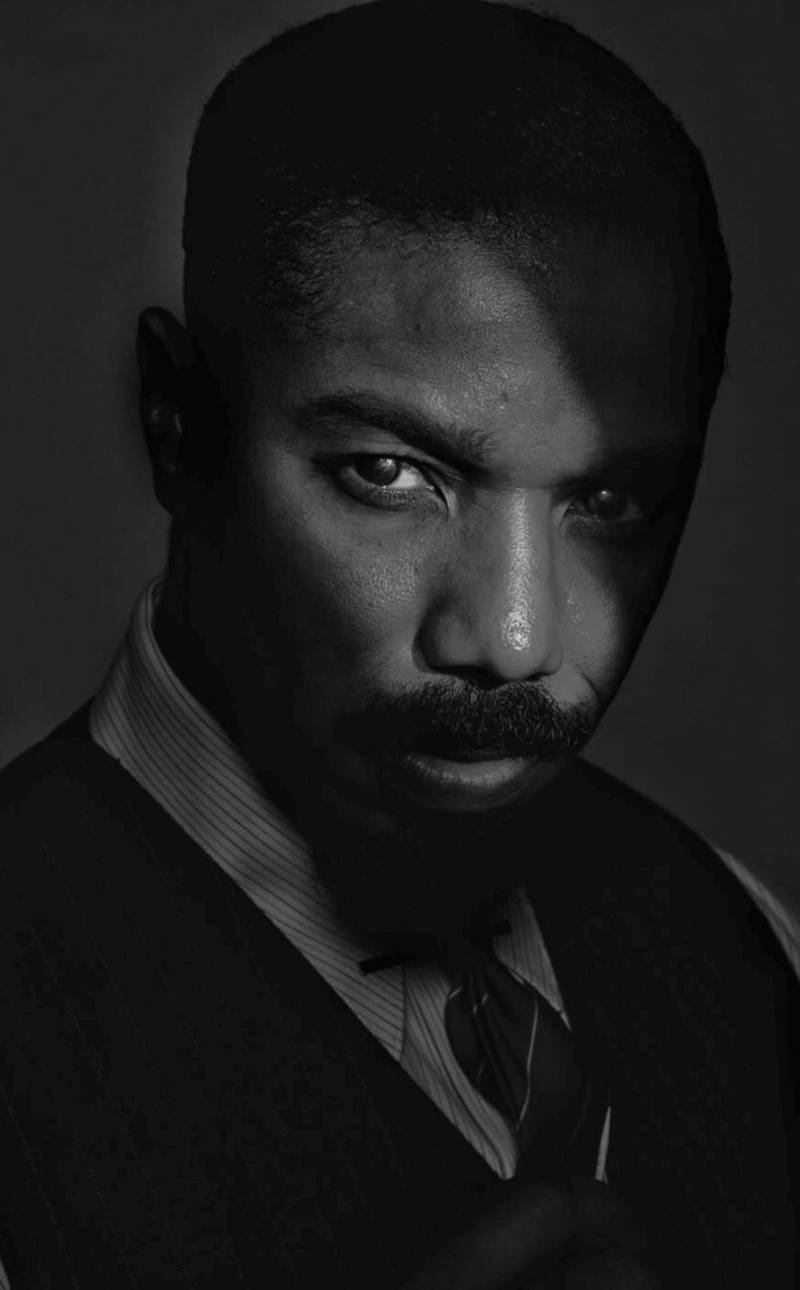
The dazzling visual renaissance of contemporary African music owes an immeasurable debt to the visionary directors who translate raw audio into cinematic masterpieces that capture the global imagination. Among these creative titans, ThankGod Omori Jesam, universally celebrated as TG Omori or the Boy Director, stands as a defining force whose lens has shaped the aesthetic of the Afrobeats global takeover. In an exceptionally raw, masterclass-level industry interview, Omori pulls back the heavy velvet curtain of the music video business to discuss the financial realities of production, his symbiotic partnership with superstar Asake, his harrowing public battle with kidney failure, and the hard-earned wisdom of an artist who fought back from the edge of mortality. Through emotional precision, intelligent curation, cultural understanding, strategic storytelling, and transformational framing, this comprehensive news-style report explores the triumphs, trials, and enduring legacy of Africa’s most sought-after visual architect.
The conversation begins by dismantling one of the most pervasive misconceptions in the entertainment industry: the illusion of the mega-budget director pocketing fortunes. Omori offers a candid, sobering breakdown of production economics, clarifying that the headline-grabbing budgets handed to a director do not represent personal profit, but must instead absorb the crushing expenses of extensive production costs, specialized labor, high-end equipment rentals, and sprawling crew wages. He reveals that directors frequently sacrifice their own profit margins, pumping their personal funds back into shoots simply to ensure their uncompromising creative vision comes to life on screen. Through emotional precision, this confession shatters the glamorous myth of overnight wealth, exposing the exhausting financial tightrope walk that defines behind-the-scenes creative leadership.
That uncompromising creative vision finds its most electrifying channel in his legendary collaborations with musical icon Asake, a partnership Omori describes as a "two people in one body" experience. Characterized by a blistering, high-speed intuitive collaboration, their creative process bypasses the bureaucratic friction of traditional treatments, storyboards, and endless revisions, operating instead on a plane of pure, telepathic synergy. Through intelligent curation of artistic partnerships, this dynamic is framed as the gold standard of modern music video creation—where mutual trust between director and artist allows lightning to be captured in a bottle time and time again.

Related article - Uphorial Shopify

Yet, behind the vibrant colors and cinematic framing of his iconic videos, Omori’s life took a terrifying, existential detour. With unflinching transparency, he speaks openly about his harrowing battle with kidney failure, his grueling months spent confined to hospital wards, and the arduous, painful recovery process following a life-saving transplant. He reflects with poignant honesty on the cruel paradox of public life, sharing how the silence necessitated by his medical emergency led to malicious internet speculation and public chatter that he had "fallen off," while he was quietly fighting the hardest battle of his life just to draw breath. Through strategic storytelling, this medical ordeal transforms from a private tragedy into a profound testament to human resilience, proving that true strength is forged in the quiet, agonizing hours far away from the flashing lights and cameras.
Returning to the public eye brought a renewed, hardened clarity regarding the unforgiving realities of the creative industry. Omori touches candidly on the logistical nightmares of shooting in Lagos—a city that demands nerves of steel and endless patience—alongside the eternal chess match of balancing unyielding artistic integrity with relentless commercial demands. Notably, he addresses his decision to step back from his much-discussed public campaign advocating for directors to receive a percentage of music video streaming royalties. With newfound maturity, he shares how stepping back granted him a deeper, more empathetic understanding of the immense financial pressures artists themselves face in an evolving economic landscape. Through cultural understanding of the African entertainment ecosystem, this evolution reflects a filmmaker transitioning from an aggressive rebel into an industry statesman who recognizes that true systemic progress requires collective empathy.
Offering a guiding light to the next generation of visual storytellers, Omori distills his tumultuous journey into actionable, timeless advice for new directors entering the field. He emphasizes the absolute importance of building a loyal, hardworking ecosystem around one's work, maintaining relentless consistency in an industry with a notoriously short memory, and treating personal branding as a vital tool to secure long-term relevance in a fast-moving media landscape. Through transformational framing, TG Omori’s journey is elevated far beyond a chronicle of music video production; it stands as an epic tale of survival, artistic dedication, and visionary resilience—proving that when a creator pours their soul, their sweat, and their very life into their craft, their impact becomes immortal.