There’s a stirring storyline at the crossroads of diplomacy and migration. Let me take you on a journey through voices, motivations, and what lies beneath the polished announcements. The headlines read like a diplomatic press release: “Nigeria U.S. Stronger Visa Messaging.” At first glance, this could feel perfunctory, a routine nod to compliance. But if we look closer, beyond the talking points, a rich narrative unfolds of negotiation, national identity, and reshaping perception on both sides of the Atlantic.
The United States, grappling with global mobility and irregular migration, has signposted Nigeria as a key partner. They have rolled out updated visa directives, urging Nigerian authorities to refine how they shape messaging around visa compliance, overstays, and travel expectations. It is not just enforcement; it's influence. And Nigeria, in turn, recognizes the urgency it must project clarity and cohesion into its cross-border communication.
Related article - Uphorial Podcast

But what lies under those layers of protocol?
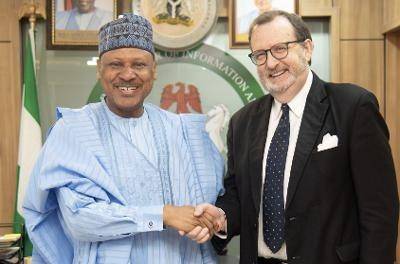
Picture the Information Minister in Abuja meeting with the U.S. Ambassador. They pore over data on overstays, application trends, and public perception. They exchange concerns that echo globally: overstays fuel suspicion, compliance lapses erode trust, and ambiguous messages breed confusion. So they agree Nigeria must reinforce its communication channels. They will go beyond issuing policy statements and craft compelling, culturally resonant messages targeted at campaigns that speak in Pidgin, Hausa, Yoruba, and Igbo, reaching diaspora networks and embassies alike.
In essence, this is storytelling with purpose. Because compliance is not just about deadlines and documents. It is about narratives of how citizens understand rules, how the world frames Nigeria. The messaging aims to humanize, not threaten. A soft touch but one that opens a door to real change.
So why does this matter?
For Nigeria, it is about sovereign agency. It can own the narrative, affirm transparency, and reveal intent. For many Nigerian students, entrepreneurs, and families, visa access is the golden ticket to opportunity. Framing it with respect and clarity can ease anxieties, reduce misinformation, and protect reputations, both personal and national. For the U.S., this alignment is strategic: it reinforces global norms, simplifies adjudication, and helps reduce visa infractions. It is also a diplomatic olive branch, an invitation to Nigeria to shape the conversation, not just follow along.
Now, let us talk about human impact. Imagine Uche, a young tech entrepreneur in Lagos, applying for a U.S. visa. Previously, he was worried: What does “noncompliance” even mean here? Will one misstep haunt him forever? With more vivid, consistent messaging from Abuja videos in Igbo, friendly visuals describing overstays, trusted voices explaining visa dos and don'ts, his fears abate, and clarity emerges. That is the power we are talking about.
Or consider a Nigerian parent sending their child abroad for summer school. They consult social media, hear conflicting rumors. However, official channels now regularly post FAQs, short clips, and testimonials. Elegantly simple, but rooted in empathy because messaging meets understanding where you are, not where you assumed you'd be. Back when we started with that title, diplomatic, clinical, it masked a deeper arc. So, in rewriting the story, we peeled back the layers: compliance is not cold; it is relational, about trust, transparency, and reshaping how two nations and their people see each other. This is more than just a memo. It is cultural diplomacy. A narrative reborn through language, tone, and intent. And yes, it is an art. What do we think about it? I would say the move has promise if executed with flair. It can turn visa compliance from a bureaucratic checkbox into a bridge between nations, one carefully crafted message at a time.