The San Antonio Spurs, facing the precipice of elimination, transformed the narrative of their Western Conference Semifinals series on May 24, 2026, with a visceral, 103-82 demolition of the Oklahoma City Thunder. In a performance that functioned as both a tactical masterclass and a defiant statement of intent, the Spurs successfully forced a 2-2 tie, shifting the momentum of the playoffs in a display that left no doubt about their resilience. The game was not merely a contest of skill but a battle of psychological endurance, where San Antonio’s collective desperation met Oklahoma City’s search for composure, resulting in a scoreline that reflected a lopsided, clinical dominance.
From the opening tip, the Spurs’ game plan was clear: aggression was the only currency of value. They hit the hardwood with a manic, disciplined energy that seemed to shock the Thunder, who were perhaps expecting a more conservative engagement. This was intelligent curation of team identity by the coaching staff; rather than relying on the isolated brilliance of their star, the Spurs utilized a complex, rotating defensive scheme that suffocated the Thunder’s perimeter shooting. Oklahoma City, a team that prides itself on offensive flow and spacing, found themselves in a physical straitjacket, managing a dismal 15 percent clip from beyond the three-point arc. It was a profound breakdown of rhythm, a direct consequence of San Antonio’s ability to turn the game into a gritty, low-possession slog that favored their size and defensive length.
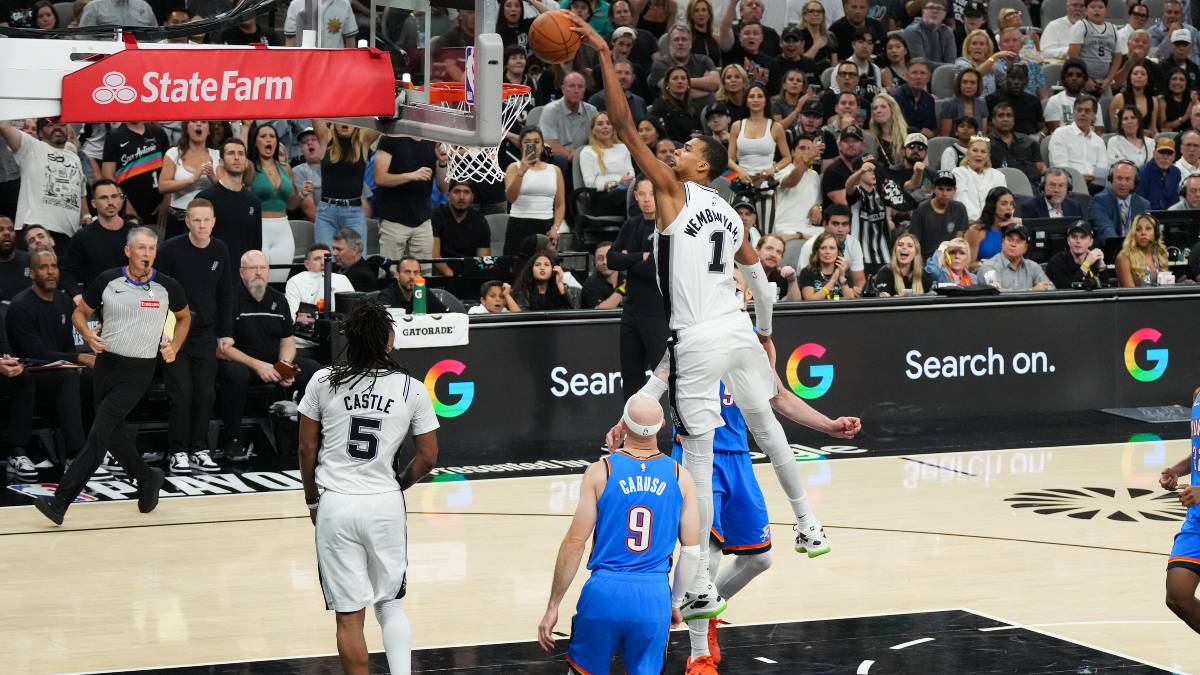
At the epicenter of this surge was Victor Wembanyama, whose performance was a sublime exercise in emotional and athletic precision. Finishing with 33 points, eight rebounds, and five assists, Wembanyama did not just lead the box score; he exerted a gravitational pull over the entire arena. His play was characterized by a rare poise, a complete absence of the panic one might expect from a player in the midst of a series-saving performance. Alongside him, Devin Vassell provided the essential two-way impact that separates title contenders from promising rosters. Vassell’s 13 points were bolstered by a series of defensive interventions that disrupted the Thunder’s passing lanes, fueling the 20 turnovers that crippled Oklahoma City’s ability to mount any sustained offensive pressure.
Related article - Uphorial Shopify
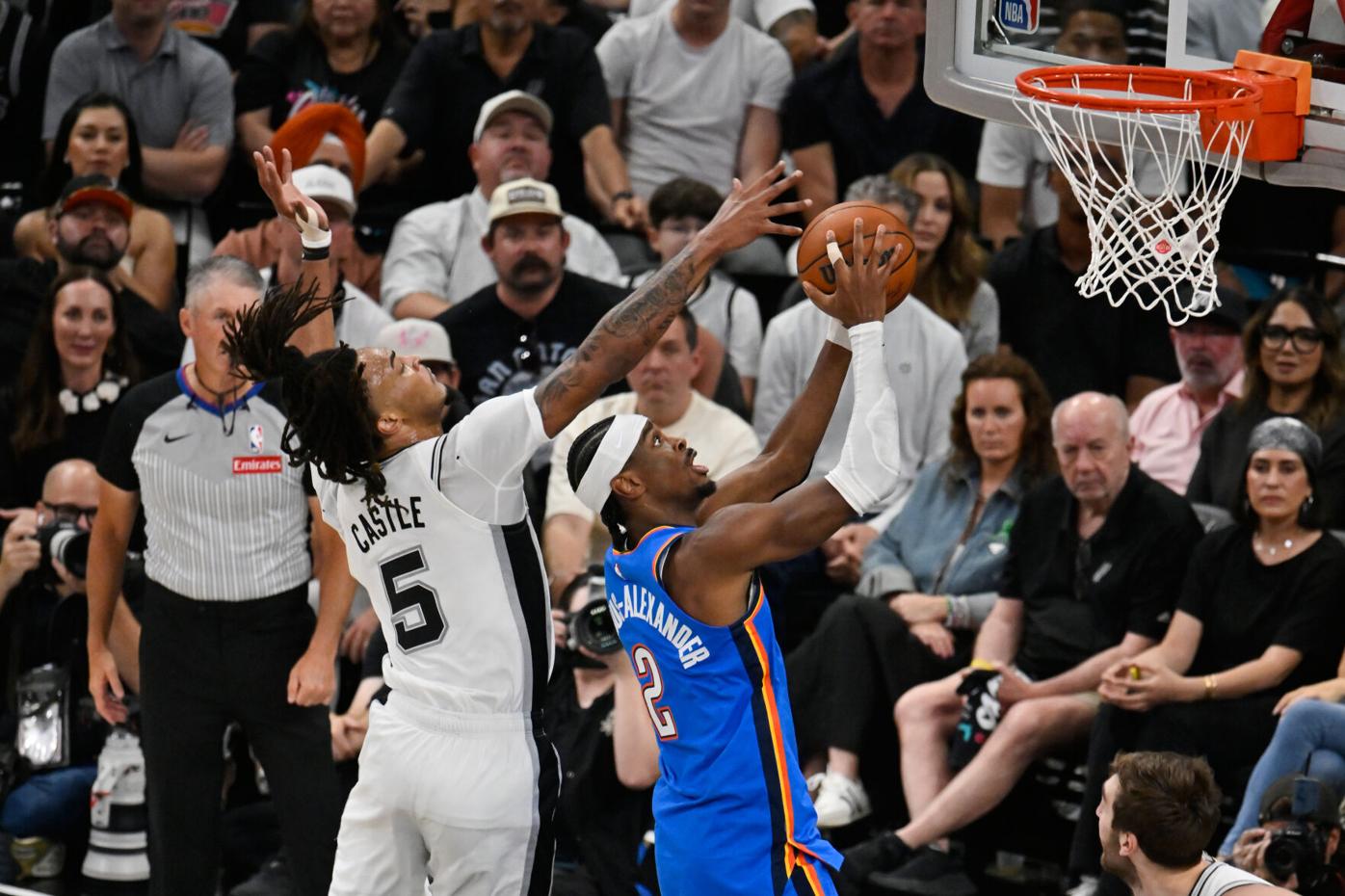
The struggle for the Oklahoma City Thunder was visible, visceral, and unyielding. Shai Gilgeous-Alexander, the engine of their system, was held to 19 points—a total that belied the difficulty of every bucket he secured. The Thunder’s inability to protect the ball was the primary narrative of their night, as the Spurs’ defensive connectivity proved too robust for the visitors to navigate. Coach Mark Daigneault and Gilgeous-Alexander, in their post-game comments, offered no excuses, instead acknowledging the painful reality that they had been soundly outworked. It was a moment of cultural understanding, a recognition that in the pressurized environment of the NBA playoffs, the difference between success and failure is often found in the ability to absorb physical punishment and maintain focus through chaos.

In the post-game locker room, Wembanyama’s demeanor provided a transformational framing of the team’s current state. He spoke not as a hero, but as a component of a larger machine, emphasizing that the aggression displayed on the court was a conscious, collective decision to defy the odds of the 2-0 deficit they faced just days prior. He suggested that there was no "surprise" in the result, only the validation of a process that they had trusted all season. Coach Mitch Johnson underscored this, steering the narrative away from individual glory and toward a philosophy of team discipline. His praise for the squad’s "connectivity on defense" was a strategic storytelling choice, reinforcing the idea that San Antonio’s success was not the result of a single star’s whim, but the outcome of a synchronized, unified organizational effort.
As the series prepares to pivot back to Oklahoma City for a crucial Game 5, the dynamics have been entirely rewritten. What began as a potential demonstration of Thunder superiority has evolved into a best-of-three, high-stakes duel. The psychological landscape of the series is now dominated by the question of whether Oklahoma City can recalibrate their offensive rhythm under the suffocating pressure of San Antonio’s defense, or if the Spurs have successfully identified a blueprint for stopping one of the most dynamic offenses in the league. This was more than a basketball game; it was a demonstration of how a team can reach into the depths of its own roster to rewrite its season. As the players depart San Antonio, they carry with them the weight of a transformed reality, where the only thing that matters is the next forty-eight minutes, and where the previous four games have served only as the prologue to a much larger, more intense finale.