ATLANATA STADIUM - The electric atmosphere within Atlanta’s stadium on this mid-summer afternoon served as the perfect stage for what would become a masterclass in modern international football. As Spain and Saudi Arabia took to the pitch for their pivotal Group H encounter in the 2026 FIFA World Cup, the tactical disparity between the two sides became evident within minutes. What followed was not merely a match, but a comprehensive demonstration of Spanish dominance—a performance characterized by a relentless, high-intensity attacking philosophy that systematically dismantled the Saudi Arabian defensive structure and left no doubt as to which team held the blueprint for success on the global stage.
From the opening whistle, Spain dictated the terms of engagement. Their play was a testament to the enduring power of fluid movement and intelligent, space-oriented positioning. The Spanish side functioned as a singular, cohesive organism, moving the ball with a precision that bordered on surgical. For Saudi Arabia, the challenge was immediate and insurmountable; they found themselves trapped in a game of perpetual recovery, unable to find the rhythm necessary to counter Spain’s suffocating possession and frequent, rapid transitions. It was a clear illustration of how high-level tactical preparation, combined with the technical quality of the individual players, can neutralize an opponent before they have the chance to establish their own identity on the pitch.

Related article - Uphorial Shopify
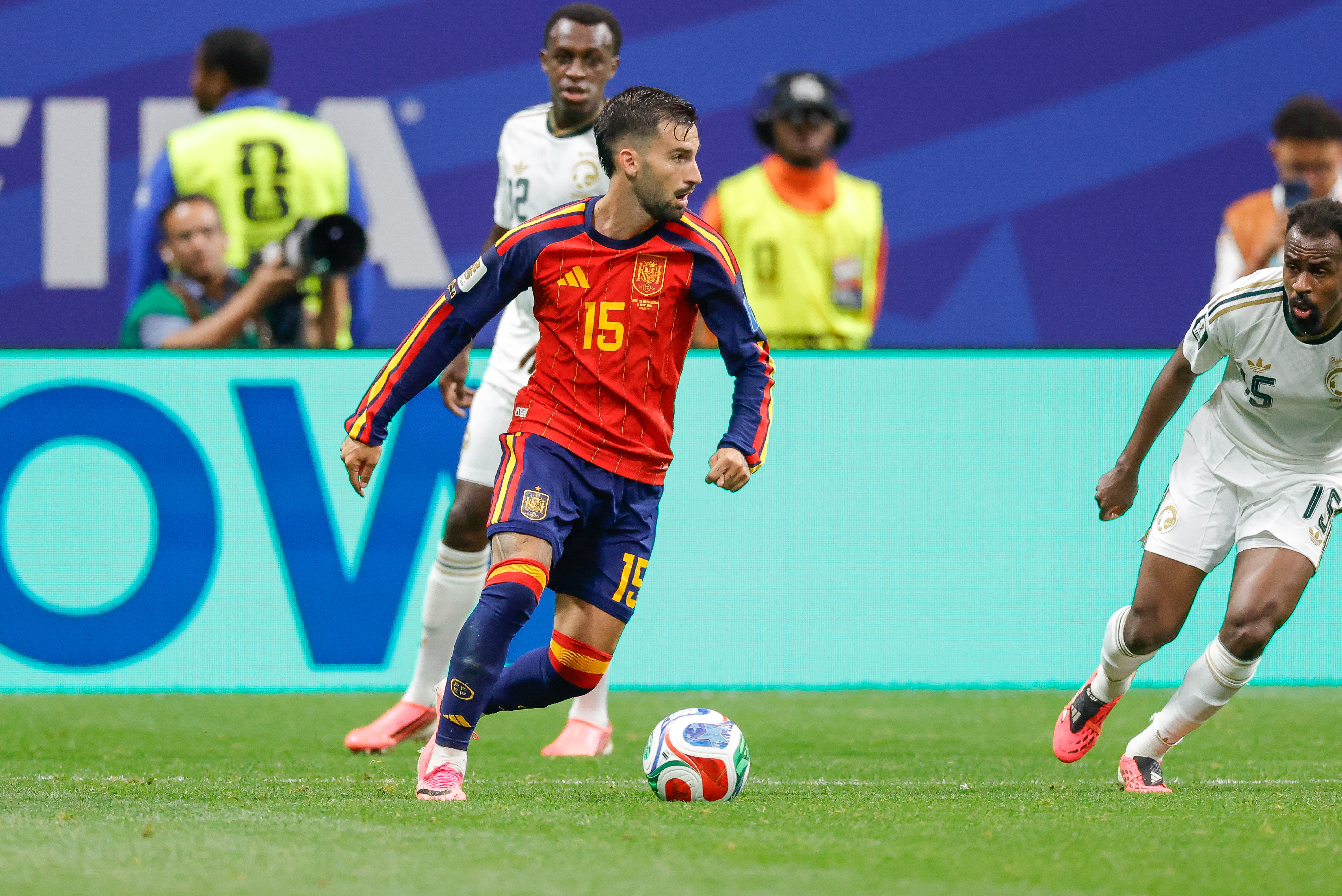
The opening of the scoring served as a symbolic moment for the future of the sport. Lamine Yamal, a player whose meteoric rise has been one of the most discussed narratives leading into the tournament, stepped into the spotlight with characteristic poise. His early goal was more than just a score; it was a declaration of arrival. By capitalizing on an early opening, Yamal injected a sense of urgency into the Spanish attack that never wavered. This momentum was sustained by Oyarzabal, whose second goal was the product of persistent, suffocating offensive pressure. The Saudi Arabian defense, which had managed to hold its ground in the initial stages, began to fray as Spain’s relentless probes forced them to retreat deeper and deeper into their own half, creating gaps that a side as clinical as Spain was never going to ignore.As the match progressed, the sheer quality of Spain’s coordination reached a crescendo. Dani Olmo, displaying the kind of vision that defines the elite creative midfielder, added to the tally with a finish that underscored the team’s clinical efficiency. Every pass seemed to be weighted with purpose; every movement by an off-the-ball player was designed to pull the Saudi defense out of position. The frustration of the Saudi Arabian side was palpable as they struggled to maintain their defensive integrity under the weight of such an onslaught. The final goal of the match, an unfortunate own goal forced by a methodical and intricate tactical buildup, was the ultimate indictment of a defensive line that had been stretched to its absolute breaking point by a team that refused to concede a single inch of ground.

This victory was not just an accumulation of statistics; it was a transformational framing of Spain as a formidable title contender. Their ability to dominate a match from the first minute to the last without losing focus or intensity is the hallmark of a side that has fully internalized the requirements of tournament football. By exploiting the gaps in the Saudi defense with a level of intelligence that made the complex appear simple, Spain sent a clear message to the rest of the teams in the competition. The victory was comprehensive, emphatic, and, perhaps most importantly, professional in its execution.
For Saudi Arabia, the match represents a difficult but essential learning experience on the world’s grandest stage. To face a side of Spain’s caliber is to face the highest level of tactical discipline in the world, and the takeaways from this encounter will undoubtedly inform their preparations for the remaining fixtures in Group H. However, the narrative of the day belonged solely to the Spanish side. Their performance in Atlanta was a masterclass in the beauty of the game when it is played with absolute coherence. It reinforced the reality that in a tournament of this magnitude, the teams that can maintain their structure while executing their game plan with relentless intensity are the ones that dictate the destiny of the competition. As the final whistle blew, it was clear that Spain had not only secured three points but had also secured a firm hold on the momentum that is so crucial for a deep run into the 2026 World Cup.