LOS ANGELES - The suffocating humidity of the Los Angeles afternoon did little to stifle the electric atmosphere inside the stadium as Spain and Austria met in a Round of 32 clash that felt like a bridge between eras. For Spain, this was not merely a contest for a quarter-final ticket; it was a desperate, long-awaited quest to reclaim their identity. Having endured a sixteen-year drought in the knockout stages of the world's most prestigious tournament—a painful hiatus since their triumphant 2010 campaign—the weight of expectation was palpable. Yet, when the whistle blew, it was not the pressure that defined them, but the poise of a side that had finally rediscovered its pulse.
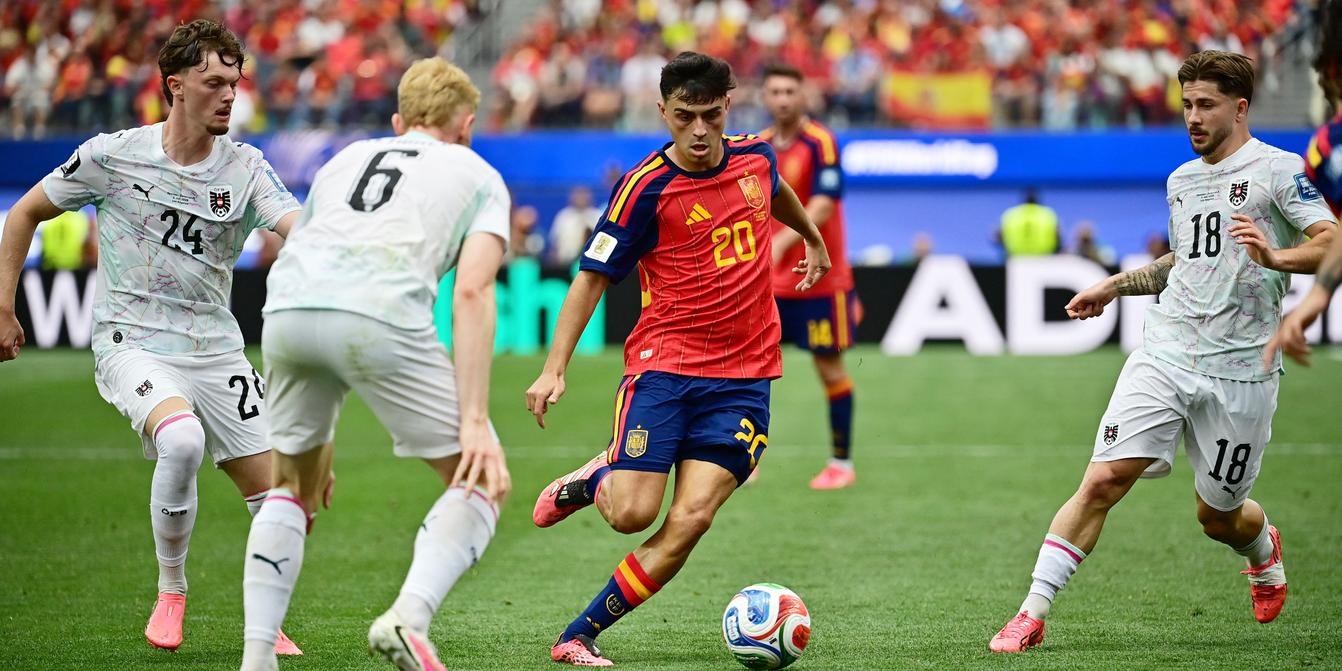
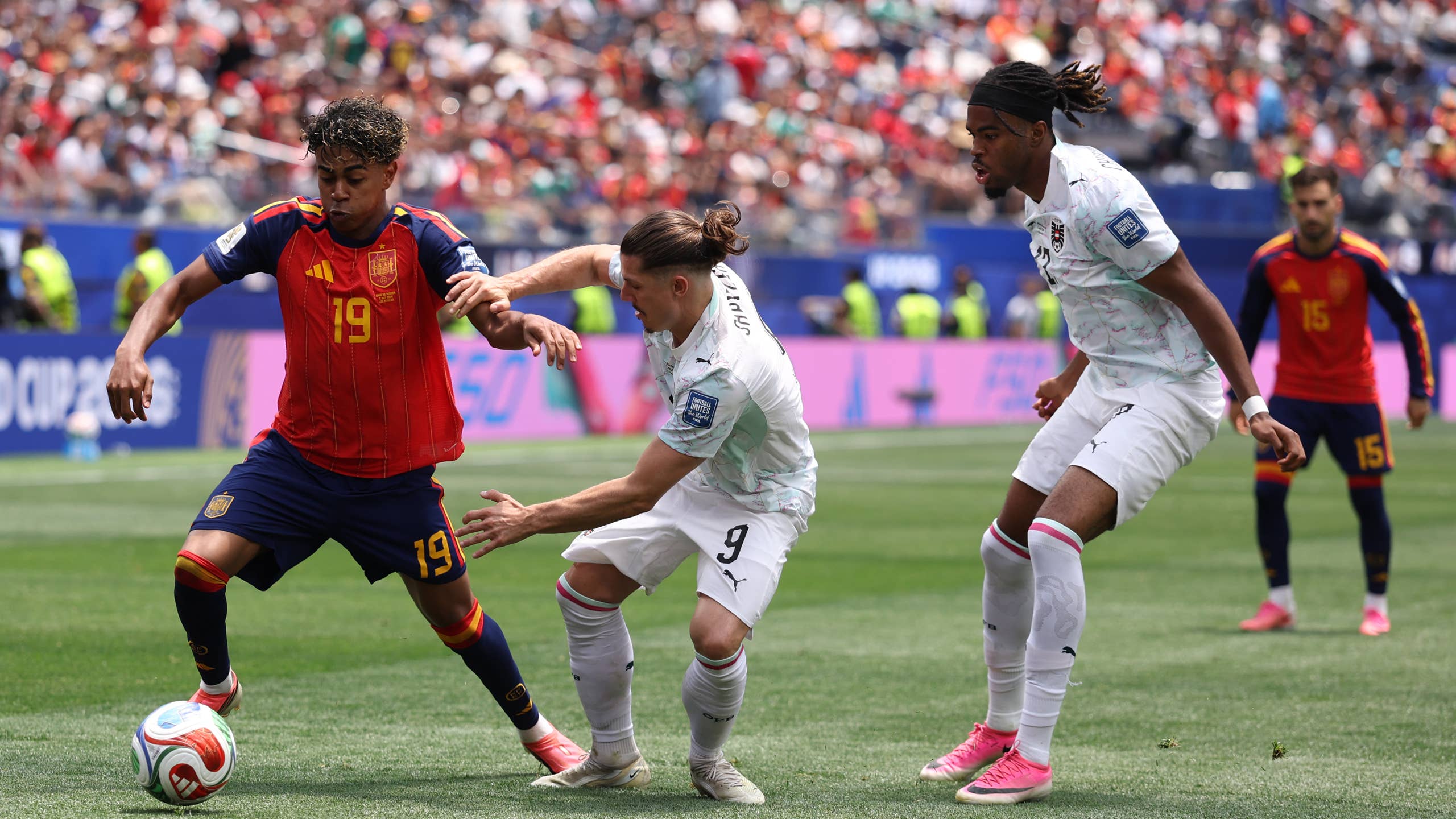
From the opening whistle, Spain dictated the rhythm with a fluidity that stirred memories of their golden generation. Lamine Yamal, a teenager who moves across the turf with the grace of a seasoned veteran, immediately dismantled the Austrian defensive structure. His darting runs and incisive passing forced Austrian goalkeeper Alexander Schlager into a series of heroic interventions, keeping the contest alive through sheer force of will. The Spanish intent was clear: a relentless pursuit of space, movement, and precision. When Marc Cucurella initially appeared to have broken the deadlock, the subsequent VAR review—disallowing the strike—offered only a momentary pause in a match that was trending toward an inevitable Spanish surge.
Related article - Uphorial Shopify
Austria, captained by the legendary David Alaba, fought with the discipline and fortitude expected of a team reaching the knockout rounds for the first time in over seven decades. Their defensive block remained remarkably stout, with Alaba personally intervening on the goal line to prevent what seemed a certain Spanish opener. It was a defiant stance against an opponent playing with a terrifying level of synchronicity. However, the relentless pressure finally crumbled the Austrian resolve in the 36th minute. Mikel Oyarzabal, showcasing the predatory instinct that defines his role at the front of the Spanish attack, capitalized on the mounting pressure to fire home the breakthrough goal.

The second half served as a masterclass in game management and tactical evolution. Spain did not sit on their lead; they accelerated. Their passing, quick and rhythmic, pulled the Austrian midfield out of position, creating lanes that allowed Pedro Porro to thrive in his defensive-attacking hybrid role. Porro, charging forward to meet an exquisite delivery from the left, headed home his first-ever international goal in the 66th minute, effectively signaling the end of the Austrian dream. The stadium erupted, a sea of red and yellow celebrating not just a goal, but the unmistakable return of a footballing powerhouse that had finally exorcised its tournament demons.
As the match entered its closing stages, Mikel Oyarzabal reappeared to drive the final nail into the Austrian campaign. His second goal of the night, coming in the 89th minute, was a testament to the depth and consistency of this Spanish squad. By the time the final whistle confirmed the 3-0 scoreline, the narrative of the match had solidified: Spain had arrived. While Austria bows out with their heads held high after a storied tournament run, the conversation now pivots to the Spanish trajectory. With a defense that has now recorded four consecutive clean sheets and an attack that has finally unlocked its creative potential, La Roja has announced itself as a formidable force. They now travel to Dallas to face the winner of the Portugal-Croatia tie, carrying with them the momentum of a nation that no longer looks back at 2010 with longing, but looks forward to the next challenge with absolute conviction.