In a single, blockbuster day of trading and corporate maneuvering, the technology sector has laid bare both the astronomical capital demands of the artificial intelligence revolution and a stark rewriting of traditional public market rules. Anchored by breaking news from the latest broadcast of Bloomberg Technology with Caroline Hyde and Ed Ludlow, the industry is witnessing an unprecedented scramble for liquidity, a shifting guard in legacy tech leadership, and a growing tension between billionaire political ambitions and the reality of the ballot box. At the center of this whirlwind is a pair of staggering capital initiatives from SpaceX and Alphabet that together represent a historic, combined vote of confidence in next-generation infrastructure, even as credit markets flash defensive warning signs.
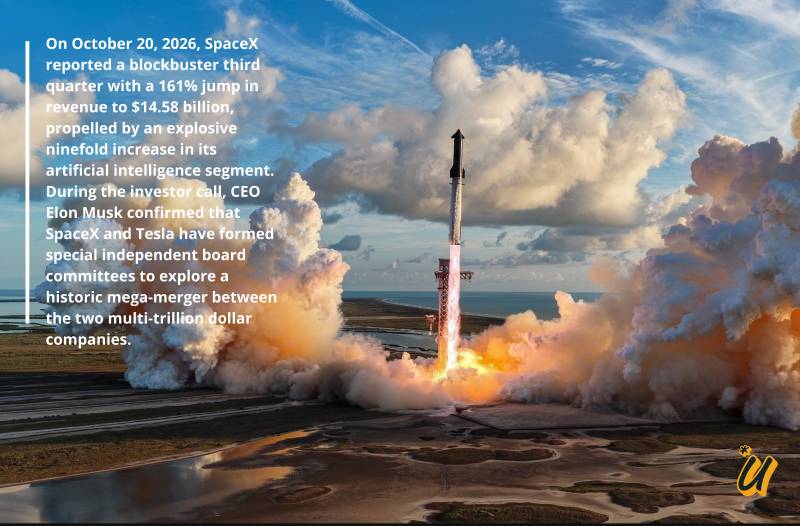
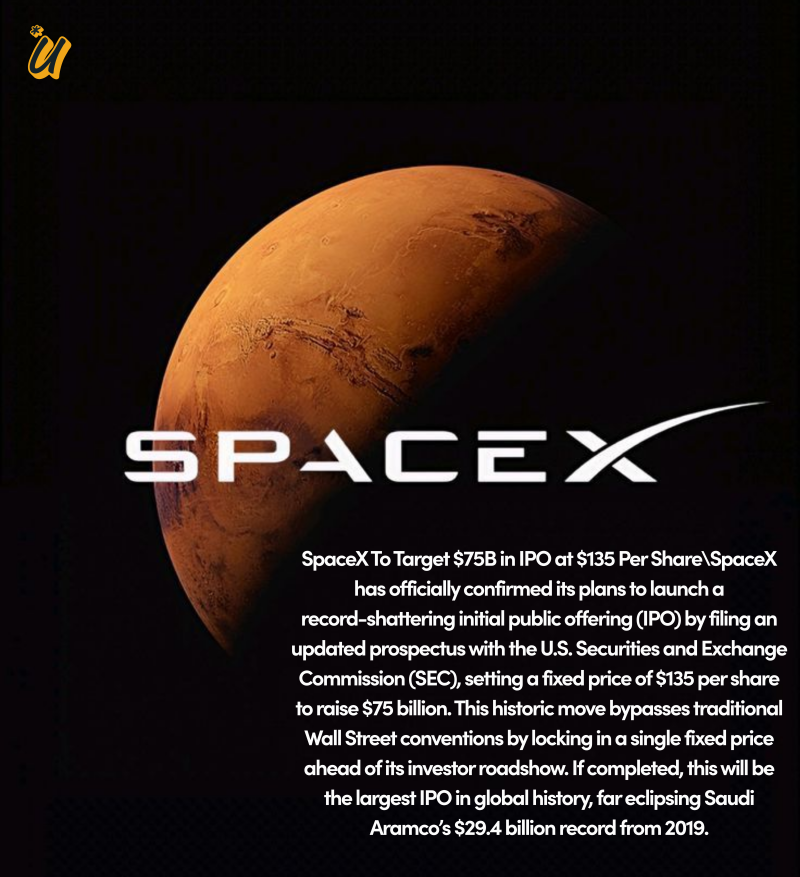
Breaking completely with Wall Street convention, Elon Musk has sent shockwaves through institutional banking circles by dictating a rigid, take-it-or-leave-it framework for the highly anticipated SpaceX initial public offering. Rather than engaging in the traditional book-building process—where investment banks court institutional investors to gauge demand and determine a flexible price range—Musk has unilaterally set a fixed price of $135 per share for the offering. The audacious move aims to raise a staggering $75 billion, effectively bypassing the standard price-discovery mechanisms that have governed public listings for generations. By commanding the terms of the IPO so absolutely, SpaceX is capitalizing on its dominant position in satellite deployment and aerospace engineering, forcing Wall Street firms to accept a secondary role or risk being left out of one of the largest corporate listings in history.
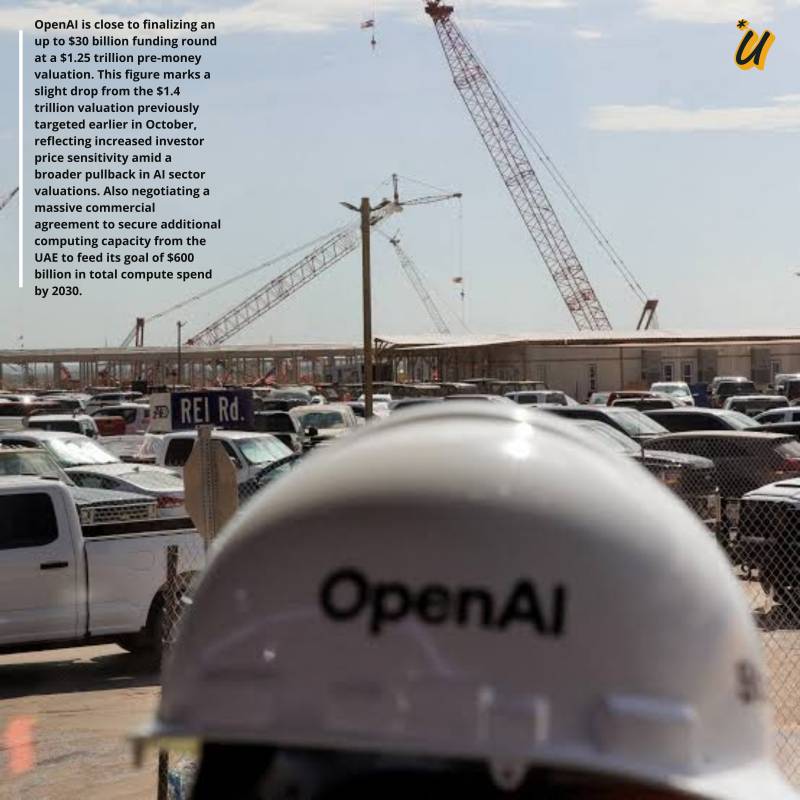
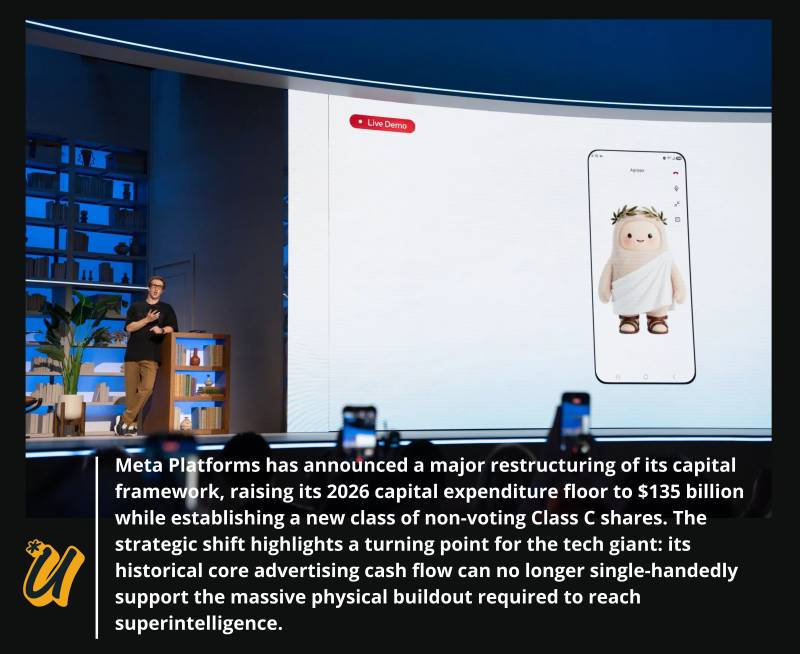
Simultaneously, Google's parent company, Alphabet, has dramatically upsized its own equity raise to a colossal $84.75 billion, highlighting the ruthless financial reality of the generative artificial intelligence arms race. This massive injection of capital is earmarked specifically for AI infrastructure expansion, signaling that the cost of building, maintaining, and scaling advanced data centers, custom silicon, and large language models is accelerating far faster than previously projected. Alphabet’s multi-billion-dollar push underscores a broader industry reality: the transition to AI is no longer a software race, but an industrial-scale hardware grind that demands sovereign-level funding. Silicon Valley’s largest players are rapidly burning through cash reserves to secure the chips and energy grids required to power the next generation of computing, transforming the tech landscape into a high-stakes game of financial attrition.
Yet, even as trillions of dollars in market valuation chase the AI promise, the broader markets are exhibiting signs of fatigue and skepticism. Palo Alto Networks found itself on the losing end of this heightened scrutiny as its shares tumbled following its latest earnings report. Despite demonstrating robust fundamental growth that would traditionally satisfy the market, the cybersecurity titan fell short of the impossibly elevated expectations investors have baked into tech stocks over the past year. Compounding the earnings drag is an intensifying controversy surrounding Palo Alto Networks CEO Nikesh Arora and his extraordinarily high compensation package. With shareholder patience wearing thin across the sector, multi-million-dollar executive payouts are facing fierce resistance when corporate guidance fails to perfectly match the relentless, upward trajectory demanded by Wall Street.
This atmosphere of transition and pressure is also shaking up the executive suites of legacy software giants, most notably at Adobe. The creative software pioneer is actively embroiled in a high-profile search for a new chief executive to succeed long-time leader Shantanu Narayen. Sources close to the process indicate that Adobe’s board is weighing a delicate balance between promoting internal candidates familiar with the company's sprawling product ecosystem and recruiting external powerhouse talent. The defining criteria for the next leader is a deep, proven expertise in artificial intelligence, as Adobe seeks to aggressively defend its creative monopoly against a rising tide of generative AI startups that threaten to make traditional editing software obsolete.
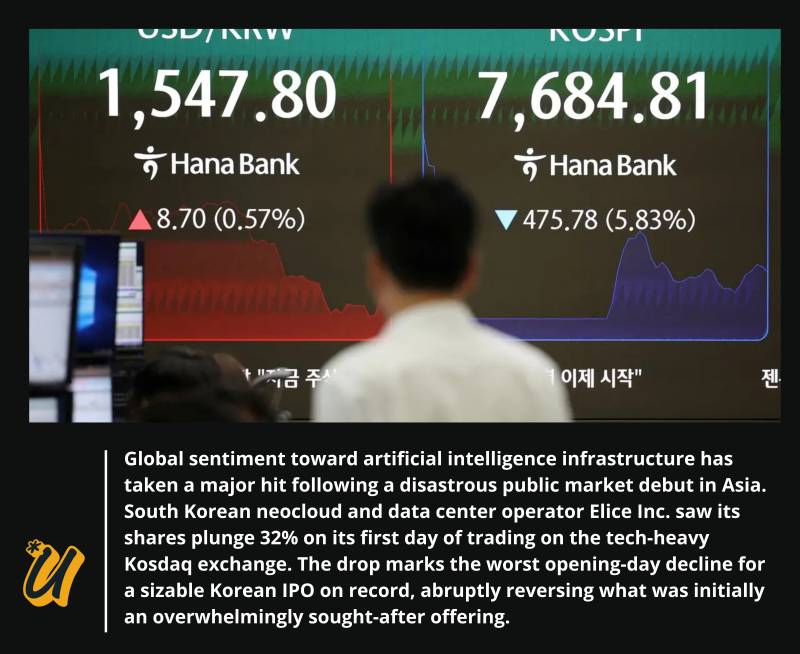
The divergence between raw equity enthusiasm and macroeconomic reality is also drawing warning signs from the fixed-income world. Steven Tananbaum, Chief Investment Officer of GoldenTree Asset Management, notes that a distinct disconnect has emerged between different corners of the financial system. While equity markets continue to actively participate in and fuel the AI boom, credit markets are maintaining a decidedly more defensive, cautious posture. Tananbaum emphasizes that current interest rate environments and macroeconomic indicators are forcing credit investors to demand higher risk premiums, choosing capital preservation over the speculative fervor driving technology stocks. This institutional caution suggests that underneath the glittering surface of tech IPOs and record-breaking capital raises, the broader economic foundation remains highly sensitive to inflationary pressures and tighter monetary policies.
Beyond the trading floors and corporate boardrooms, the tech elite are facing a humbling reality check in the political arena. Analysis of the recent California primary elections reveals a surprising and definitive setback for Silicon Valley’s billionaire class. Candidates heavily backed by tech industry moguls and venture capitalists consistently fell short at the polls, revealing a profound and widening disconnect between the political ambitions of the tech elite and the everyday anxieties of general voters. Despite pouring millions of dollars into highly targeted campaigns aimed at reshaping local and state governance, the industry's political playbook failed to resonate with an electorate deeply focused on cost-of-living crises, housing, and infrastructure—issues that cash-infused tech platforms have done little to solve.
The final preview of this turbulent tech cycle centers on Broadcom’s upcoming earnings, which market analysts are watching as a crucial bellwether for the entire hardware supply chain. Broadcom has quietly positioned itself as the premier, indispensable alternative to Nvidia for custom AI application-specific integrated circuits, or ASICs. Through deep co-development integration with hyperscalers like Google and Meta, Broadcom has insulated itself from the broader cyclical swings of the chip market. If Broadcom's numbers validate the massive infrastructure spends promised by Alphabet and its peers, it will cement the narrative that the tech economy is fully committed to an AI-driven future; if they falter, it may signal that the capital scramble is beginning to outpace real-world returns.