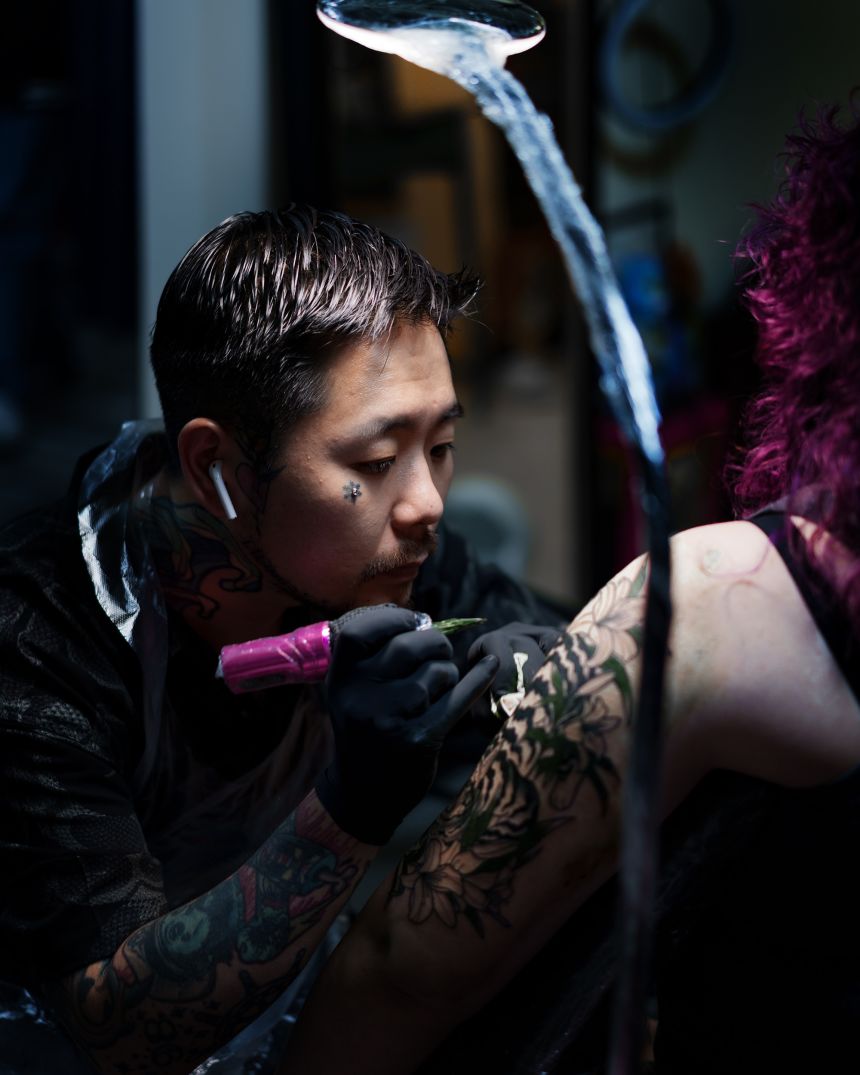
Silently, South Korean tattoo artists are waging a battle against a deeply entrenched legal prohibition and societal stigma, operating in an underground scene that the BBC World Service's 100 Women series has brought into the global spotlight. The law mandates that tattooists must hold a doctor’s license, a requirement Doy Kim Do-yoon, a tattooist for about 20 years, finds "ridiculous". This prohibition not only limits their recognition as artists but also cripples their lives: their job is illegal, preventing them from accessing crucial services like bank loans or buying a house. The prevailing societal perception in Korea, heavily influenced by decades of gangster movies that used tattooed forearms to caricature criminals, is that having a tattoo signifies you are a gangster who "can’t be part of our community". However, artists insist that the "tattoo is just art".
For female tattoo artists, the risks of this illegal status are compounded by pervasive sexual harassment, which is often considered "a given". Because tattooing is illegal, a client who receives a tattoo can immediately press charges against the artist, turning her into a criminal. This vulnerable position leaves women exposed to exploitation. One female tattooist described a terrifying incident where a client exposed himself, propositioning her by saying, "you’re working in a really dark place mostly by yourself and like, what did you expect?". The artist feared calling the police, reasoning that the client had proof of the illegal tattoo, while she lacked proof of his harassment, potentially leading to her own legal problems. This fear led her to stop working alone for three years.
Related article - Uphorial Shopify
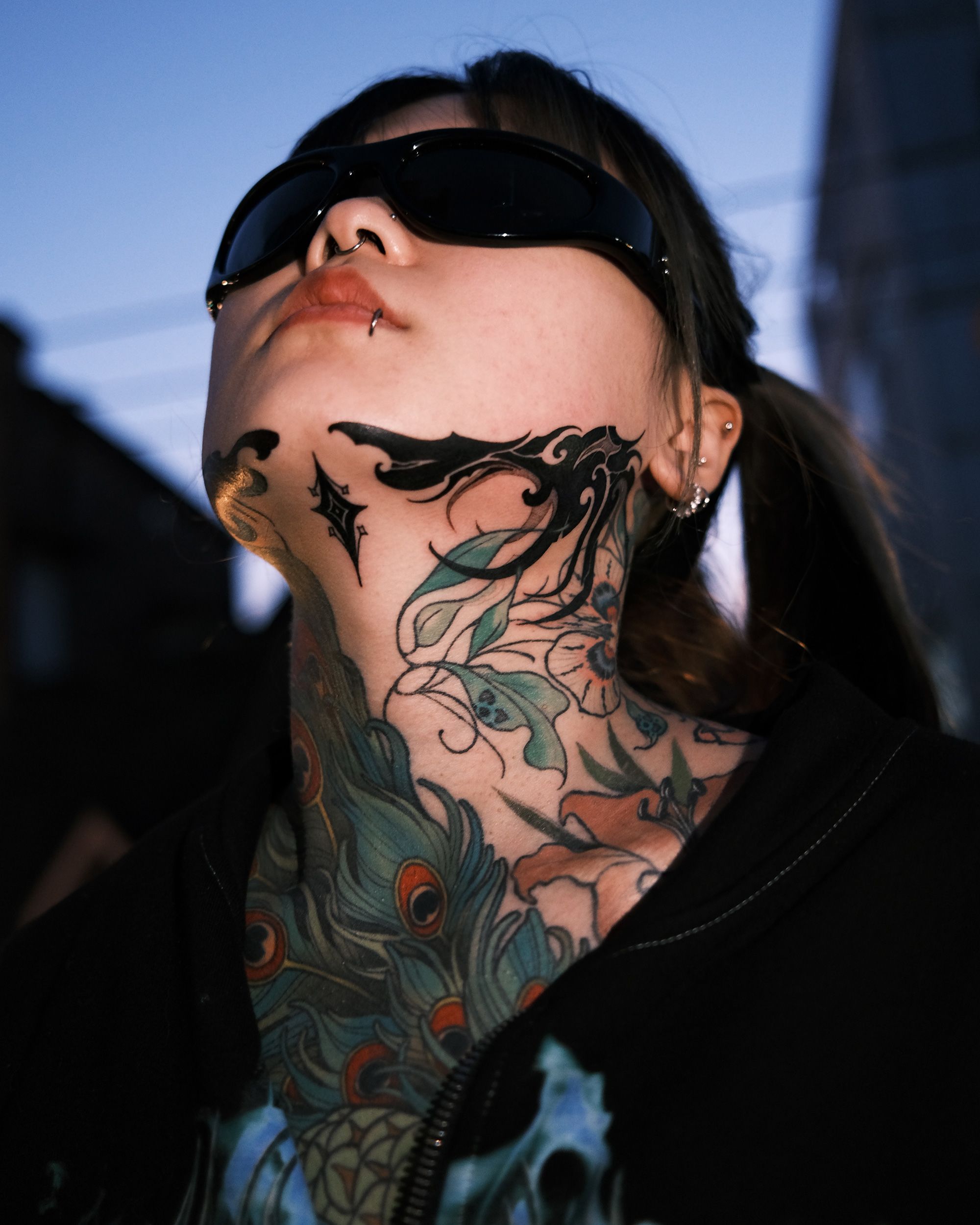
Tattooist Lina Ahn, 31, who has a daughter and meaningful tattoos, including a mirror and her daughter’s date of birth on her front, and her daughter's name on her neck, has faced severe online abuse. The most common slur used to shame tattooed people is 불법 문신충 (illegal tattoo insect). After posting about breastfeeding, Ahn received comments like, “Your breast milk will taste like ink,” and messages suggesting she should have had an abortion. At one point, she awoke to 1,500 insults and received over 400 explicit photos. She notes the stigma is particularly harsh against tattooed women, who are perceived as "more impulsive, more antisocial, more sexually promiscuous and not fit for marriage".
Despite these conditions, many view tattooing as an essential creative outlet. Ahn was motivated to find a way to connect with people after being bullied throughout school. She kept her profession a secret from her mother for almost 20 years, preparing a detailed lie before revealing she was already tattooing. The profession gained popularity around 2015, coinciding with the spread of feminism and the slogan 'my body, my choice', which saw young women getting both large and small tattoos. Female artists now benefit from being women because female customers may find a woman tattooist less intimidating.
The legal fight for recognition is being spearheaded by Doy Kim Do-Yoon, who founded the Tattoo Union, the first trade union for tattooists in Korea, in February 2020. Doy has spent four years working to improve legislation. He argues that the law must change because tattoos are now "a part of our lives," and the lack of regulation only puts consumers at risk, necessitating a law to protect their safety. Doy is actively involved in discussions with officials regarding legalization and the safety of tattoo inks. Currently, the primary opposition comes from doctors' groups who claim the procedure can be harmful. However, Dr. Cho Myung-Shin, a medical doctor and tattooist for 25 years, believes that non-medical people can safely perform the procedure if educated, noting that all the tattooists he knows are "ready to learn".
Yet, the difficulties are forcing talent overseas. Tattooist Greem noted that it is hard to survive in Korea because of the illegal status, prompting many talented artists to leave. Lina Ahn, too, planned to move abroad when pregnant, fearing that people would judge her job and, subsequently, her baby. She prefers working in environments that are "more comfortable and freer". Her daughter, however, has learned not to hold prejudice, once telling her, "Mummy's body is a rainbow". Doy remains optimistic, certain that the law will change, and tattooing will be 100% legalized, stating it is "just a matter of time" because "it's the right thing to do".