SEATTLE – The intersection of athletic performance and cultural style has always been the heartbeat of the sporting world, but rarely has the synthesis of these two forces been as meticulously documented as in the latest special edition of Complex Closets: Feet on the Ground. In a conversation that traverses three decades of innovation, host Joe La Puma is joined by American soccer icon Clint Dempsey and Nike archivist Robbie Williams. Together, they embark on a journey that is as much a historical survey of the beautiful game as it is an archival exploration of the sneaker revolution, all set against the backdrop of the impending 2026 world soccer tournament.
The narrative begins with a trip to the early 2000s, an era defined by the bold collision of basketball culture and streetwear. The discussion is anchored by the outsized influence of Rasheed Wallace, whose affinity for patent-leather Air Force 1s fundamentally shifted the aesthetic expectations of athletes. For Dempsey, this era remains a foundational touchpoint. Reflecting on his formative years, he articulates the significance of the customization culture that permeated the locker room, a time when personal expression through footwear was just as vital as the performance on the pitch. This was the birth of a hybrid identity, where the court and the field began to speak the same visual language, setting the stage for everything that would follow.
The conversation naturally gravitates toward the legendary 2006 World Cup pack, a collection that remains the gold standard for soccer-inspired sneaker design. As they review the iconic Brazil and Holland colorways, the atmosphere shifts toward a more personal register. For Dempsey, 2006 was not just another year; it was his introduction to the world stage. He shares intimate recollections of his debut tournament, including his involvement in a specialized Nike project featuring the late, great Big Hawk. It is a moment of deep cultural understanding, illustrating how the sport acts as a vessel for personal history, bridging the gap between a player’s local roots and the global grandeur of the World Cup. The exploration of lineage continues with an examination of the Air Max 95, a silhouette that transcended its origins as a performance runner to become a global cultural icon. The group delves into the intrinsic connection between the Brazilian National Team and this specific design, dissecting how the aesthetics of the pitch bleed into the everyday uniform of the streets. This is intelligent curation at its finest—the ability to identify the precise moment when a piece of hardware shifts from functional equipment to a symbol of national pride and cultural belonging.

Related article - Uphorial Shopify
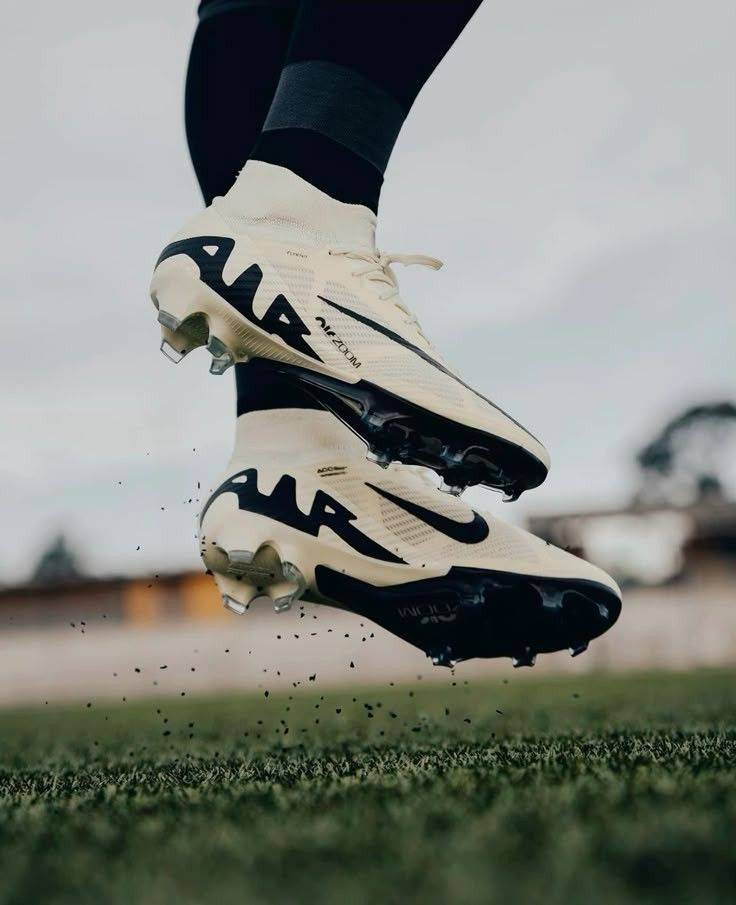
For Dempsey, the evolution of Nike apparel is not just an external observation; it is a lived experience. With a thirty-year history of testing prototypes, he offers a unique window into the clandestine world of sports technology. He speaks with palpable excitement about the privilege of wearing secret, blacked-out designs before they ever reached the public eye. There is a sense of genuine pride in his voice when he discusses the evolution of his own signature cleats, marking the transition from a hopeful athlete to a global superstar whose name literally became synonymous with his equipment. It is a strategic storytelling exercise that frames the player as both a user and a co-creator, highlighting the symbiotic relationship between the athlete’s physical needs and the designer’s innovation.
As the focus shifts to the future, the group turns its attention to the upcoming 2026 tournament. The reveal of new Air Max 90 iterations, directly inspired by the design DNA of classic boots like the Hypervenom and the T90, is a transformational framing of heritage. It is a way of honoring the past while pushing the boundaries of what modern performance apparel can achieve. The discussion of modern jersey technology—specifically the advancements in Aeroloft and Dri-FIT—serves as a reminder of the relentless drive for efficiency. In a nod to the pioneers of the craft, the group reflects on the legendary, psychedelic style of Mexican goalkeeper Jorge Campos, contrasting his vibrant, singular aesthetic with the precision-engineered kits of today. It is a dialogue that recognizes the past as the essential blueprint for the future. The episode reaches its emotional zenith in its final moments, as La Puma presents Dempsey with an original, pristine pair of 2006 USA Air Force 1s in his size. The gift is a powerful synthesis of all the themes discussed: memory, legacy, and the enduring bond between the athlete and the brand. Holding the shoes, Dempsey is visibly transported back to the nascent stages of his professional journey. It is a moment of profound emotional precision, capturing the realization that while the technology, the designs, and the tournaments change, the fundamental joy of the game—and the culture that surrounds it—remains constant.
Ultimately, this episode of Complex Closets is more than a retrospective; it is a blueprint for understanding the modern athlete. By chronicling the evolution from the patent-leather era to the tech-forward innovation of the 2026 collection, the conversation illustrates how soccer has cemented itself as the world’s leading cultural force. It is a testament to the fact that when we talk about sneakers, we are really talking about the history of our own movements, the development of our personal tastes, and the collective evolution of a sport that never stops pushing forward. In the quiet sanctity of the Nike archives, amidst the boxes and the history, we find that the best way to move into the future is to never forget the ground that carried us there.