The 2026 Met Gala solidified its reputation as the ultimate intersection of historical reverence and avant-garde experimentation, transforming the steps of the Metropolitan Museum of Art into a definitive report on the current state of global fashion. This year’s gala, a centerpiece of the New York social and artistic calendar, provided a staggering display of sartorial storytelling that bridged the gap between the established legends of the industry and the digital-era influencers who are currently redefining the concept of a style icon. From the moment the first limousine arrived, it was clear that the evening would be a high-stakes competition of creativity, craftsmanship, and cultural relevance.
The narrative of the evening was anchored by the arrival of the industry’s true legends, whose presence served as a reminder of the enduring power of transformative fashion. In a display of timeless glamour, Beyoncé and Rihanna once again set the standard for red-carpet dominance, each presenting a look that commanded the total attention of the world’s media. They were joined by a cohort of icons whose influence spans decades, including Cher, Madonna, and Stevie Nicks. The inclusion of Nicks, in particular, offered a poignant connection to the ethereal, bohemian aesthetics that have seen a massive resurgence in 2026. These legends did not merely attend the event; they provided a masterclass in how to inhabit a garment, using their seasoned stage presence to elevate their designer choices into pieces of living performance art.
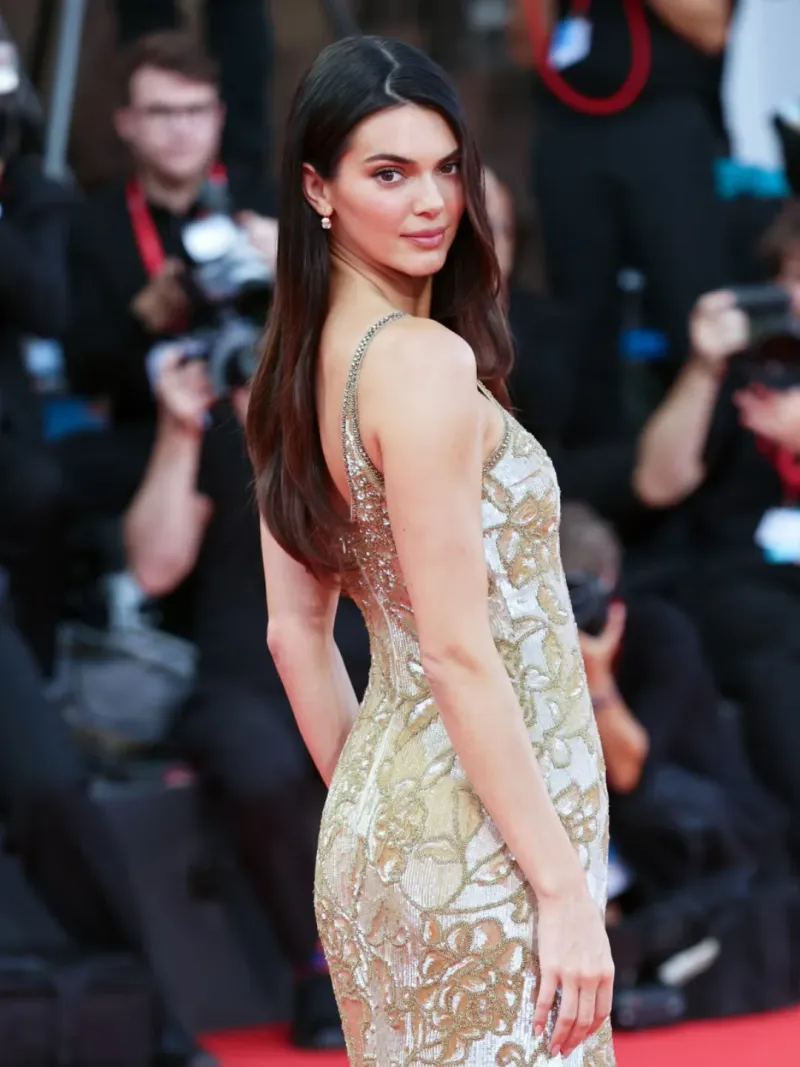
While the veterans provided the foundation, the evening’s energy was propelled forward by a group of modern style icons who have mastered the art of the viral fashion moment. Zendaya, widely considered the premier red-carpet technician of her generation, delivered a look that balanced technical innovation with classical beauty. She was joined by the industry’s most influential figures, including Gigi Hadid and Kendall Jenner, who each showcased the evolution of high-fashion modeling. Blake Lively, a perennial fan favorite at the Met, lived up to her reputation for dramatic, thematic reveals, while Hailey Bieber and Kylie Jenner opted for a more sleek, modern elegance that emphasized silhouette and fabric over literal interpretation. These stars represent the new guard of the gala, where every stitch and accessory is calculated for maximum impact across both physical and digital spheres.
Related article - Uphorial Shopify

A significant shift in the 2026 gala was the undeniable and dominant presence of international talent, signaling the total globalization of the fashion industry. The red carpet was electrified by the arrival of Lisa, Jennie, Rosé, and Jisoo, whose individual styles have made them some of the most sought-after faces for luxury houses in Paris and Milan. Their participation highlighted the immense influence of East Asian culture on Western high fashion, bringing a precise, polished aesthetic that resonated with the evening’s more technical trends. Alongside them, the South African sensation Tyla made a notable appearance, further diversifying the gala’s aesthetic range and proving that the "biggest night in fashion" is now truly a global report on creativity.

As the night progressed, the red carpet became a showcase for a wide variety of "favorites" who have become synonymous with the Met’s unique brand of theater. Anne Hathaway and Nicole Kidman provided a touch of Hollywood’s Golden Age sophistication, utilizing classic tailoring and exquisite jewelry to ground the evening’s more eccentric offerings. Conversely, figures like Cardi B and Katy Perry leaned into the gala’s tradition of camp and extravagance, wearing structural pieces that challenged the boundaries of wearable art. Kim Kardashian, whose appearances are always a subject of intense speculation and debate, continued her trend of pushing the envelope of fashion’s "limits," while Margot Robbie and the rising star Sabrina Carpenter offered looks that felt fresh, youthful, and perfectly aligned with the contemporary desire for feminine empowerment.
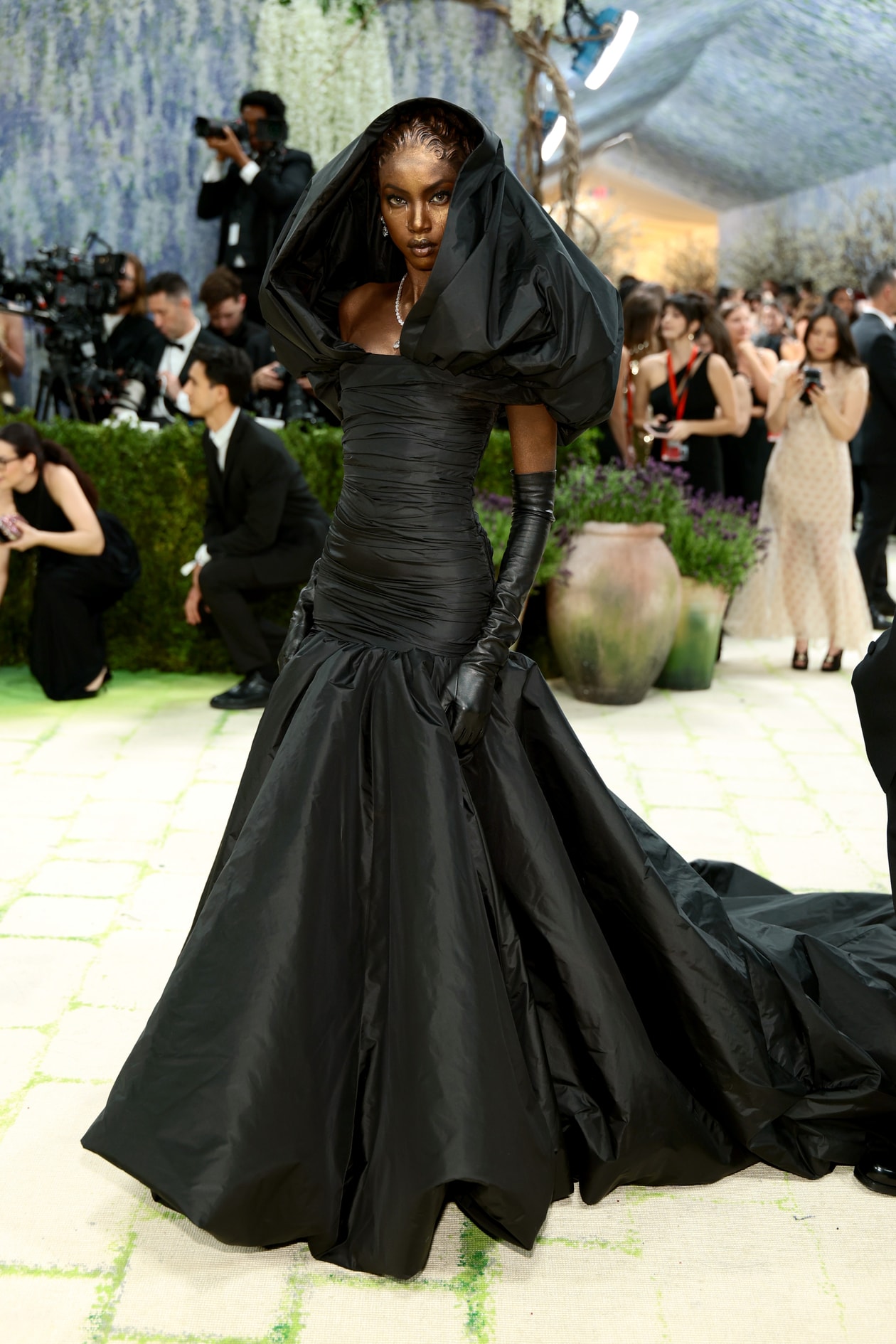
Beyond the individual stars, the 2026 Met Gala served as a visual roundup of the broader trends currently shaping the luxury market. There was a notable emphasis on "architectural couture," where designers utilized 3D printing and unconventional materials to create shapes that defied traditional garment construction. Simultaneously, a counter-trend of "hyper-elegance" was visible, characterized by the return of heavy silks, intricate hand-embroidery, and a focus on the heritage techniques of the great fashion houses. This duality—the push toward a technological future versus the preservation of a hand-crafted past—was the central theme that tied the diverse array of guests together. Ultimately, the evening was a report on the resilience and constant evolution of the fashion industry. In an era where digital content often prioritizes speed over substance, the Met Gala remains a singular moment where the world pauses to appreciate the labor, thought, and artistry required to create a single iconic look. As the stars moved from the red carpet to the private dinner within the museum, they left behind a visual archive that will be analyzed and referenced for years to come. The 2026 Met Gala was more than just a party; it was a definitive statement on who currently holds the cultural scepter and a glimpse into the future of how we choose to present ourselves to the world.