LONDON - The sun dipped low over the manicured expanse of the All England Club on Sunday, casting long shadows across Centre Court as Novak Djokovic walked toward the net to shake hands with Roman Safiullin. The scoreboard read 7-6(6), 6-3, 3-6, 6-3 in favor of the seven-time champion, a result that, while expected by the record books, felt earned through an uncharacteristically gritty struggle. In this fourth-round encounter, Djokovic did more than just advance to the quarter-finals of the 2026 Wimbledon Championships; he etched his name into the sport’s foundational lore, recording his 106th match victory at the tournament and officially surpassing Roger Federer for the most men’s singles wins in Wimbledon history.
Yet, as the crowd rose to applaud the 39-year-old Serbian, the atmosphere was marked by a distinct lack of the effortless, clinical dominance one might associate with such a historic milestone. Djokovic stood on the threshold of his 25th Grand Slam title, his eyes fixed on a horizon that few athletes ever dare to approach, but the day’s journey was fraught with internal discord. For large stretches of the three-hour and 25-minute match, the world No. 1 did not look like the man chasing history; he looked like a man wrestling with the very nature of his own perfectionism.
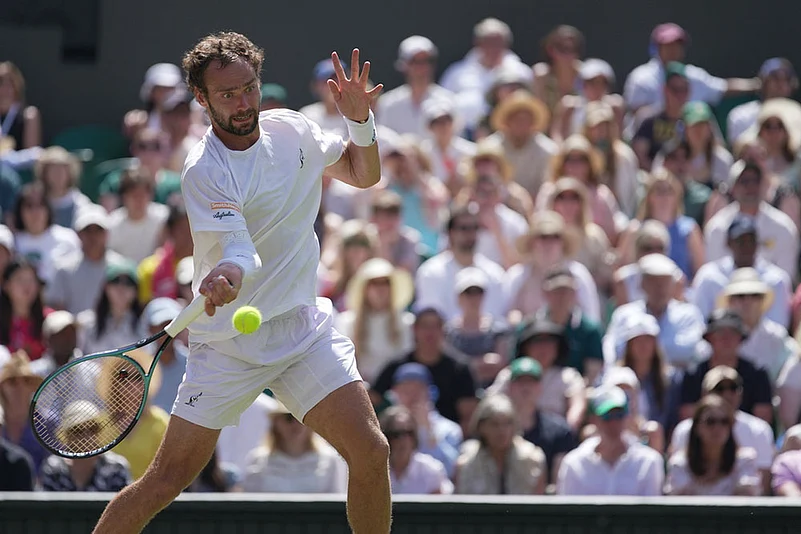
The match began with a stark reminder of the volatility inherent in grass-court tennis. Safiullin, the Russian qualifier ranked 132nd in the world, entered the arena with the fearless abandon of a player who had already exceeded expectations. He broke Djokovic early, moving with a fluid confidence that seemed to fluster the veteran at every turn. The Serbian was forced to battle back from a 5-2 deficit in the first set, saving two set points in a display of defensive fortitude that ultimately forced a tie-break. When he finally claimed the opener, the release of tension was visceral—a stark contrast to the composure he typically projects in the high-pressure cauldrons of major championships.
Related article - Uphorial Shopify
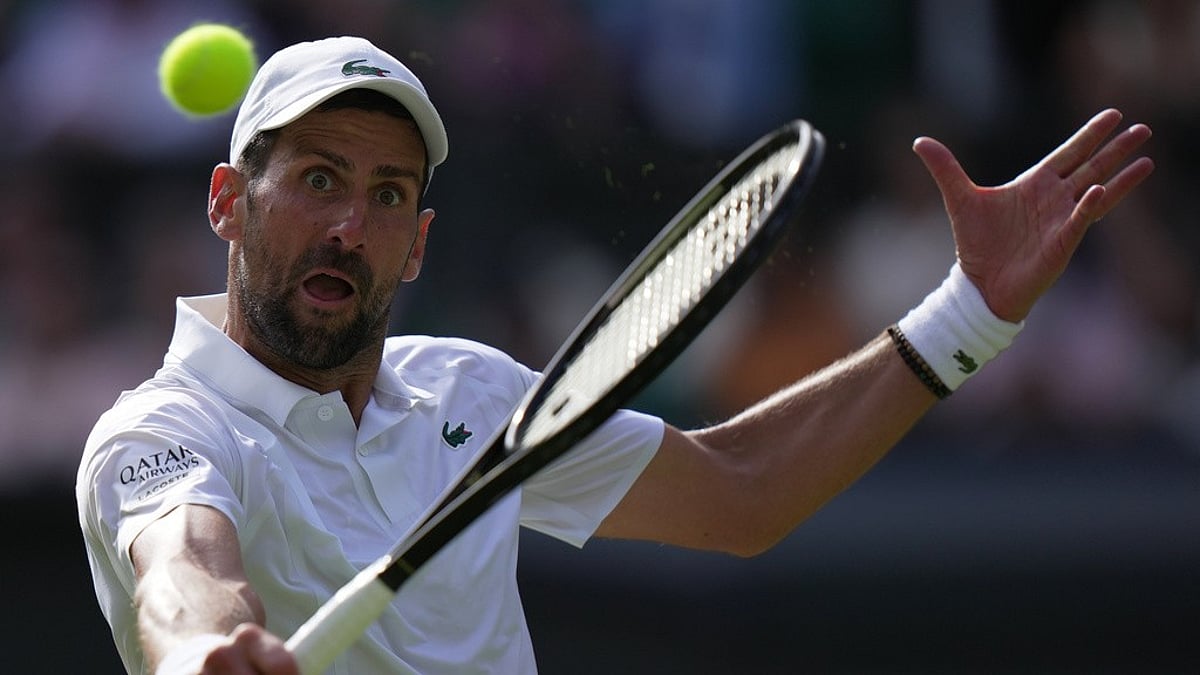
Throughout the second set, the dynamic shifted as Djokovic found a temporary rhythm, but the third set became a crucible. Safiullin, unburdened by the weight of expectations, continued to push, his aggressive baseline play forcing Djokovic into uncharacteristic errors. The television cameras captured a side of the champion rarely seen in such proximity: the moments of raw, audible frustration. Djokovic, by his own post-match admission, was dealing with "meltdowns," his voice carrying across the hushed silence of Centre Court as he critiqued his own performance. It was a humanizing look at a man who has spent two decades crafting a public persona of impenetrable calm.When asked later about the significance of surpassing Federer’s record—a mark held by his greatest rival for years—Djokovic was dismissive in his typical, perfectionist style. He spoke of the record as a secondary consideration, something he had not even been aware of until the match concluded. For a man chasing the absolute summit of the sport, 106 wins are merely a stop on the road, not the destination. He described his first week of the tournament as a period of "survival to thrive," a transformational framing that suggests he views these early rounds not as statements of his peak form, but as necessary, often arduous, chapters in a larger narrative arc.
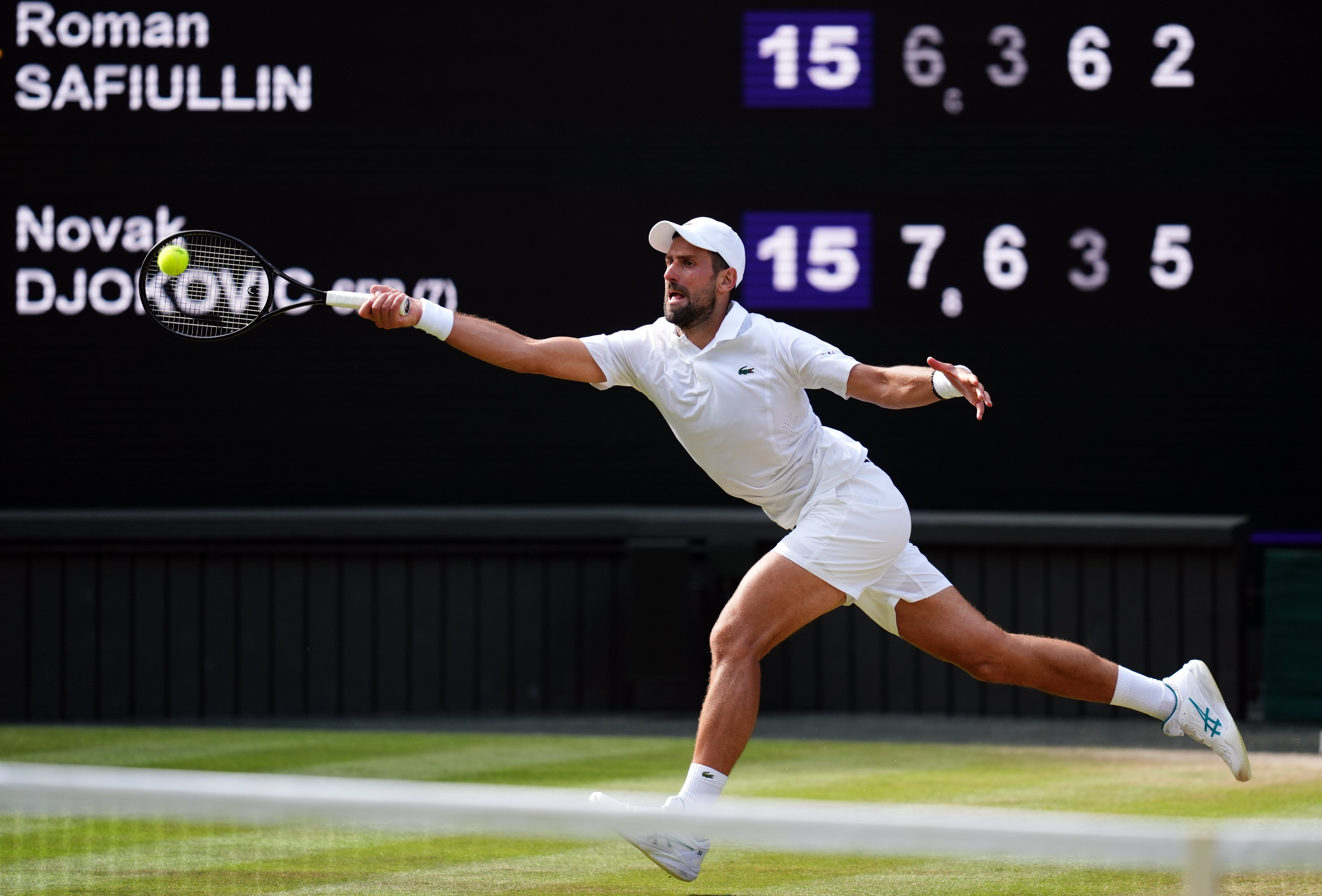
As he moves into the quarter-finals, his 66th at the Grand Slam level, the challenge only intensifies. The victory over Safiullin was a testament to his ability to find the precision of his serve exactly when the margin for error had vanished. He navigated the wind and the relentless pressure of an underdog, proving once again that his greatest weapon is not his backhand or his serve, but his capacity to endure.The Centre Court faithful understood the weight of the afternoon. They had watched a legend struggle, stumble, and ultimately persist. They had seen the cracks in the armor, and perhaps that made the achievement all the more profound. Novak Djokovic is no longer simply playing for trophies; he is playing against the limits of what a human being can accomplish in a sport that demands constant renewal. As he looks toward his next opponent, the message to the field is clear: he may not always be playing at his most beautiful, but he is, as ever, the man who finds a way to win. The quest for number 25 continues, and on this historic Sunday, the numbers alone were enough to command the world's attention.