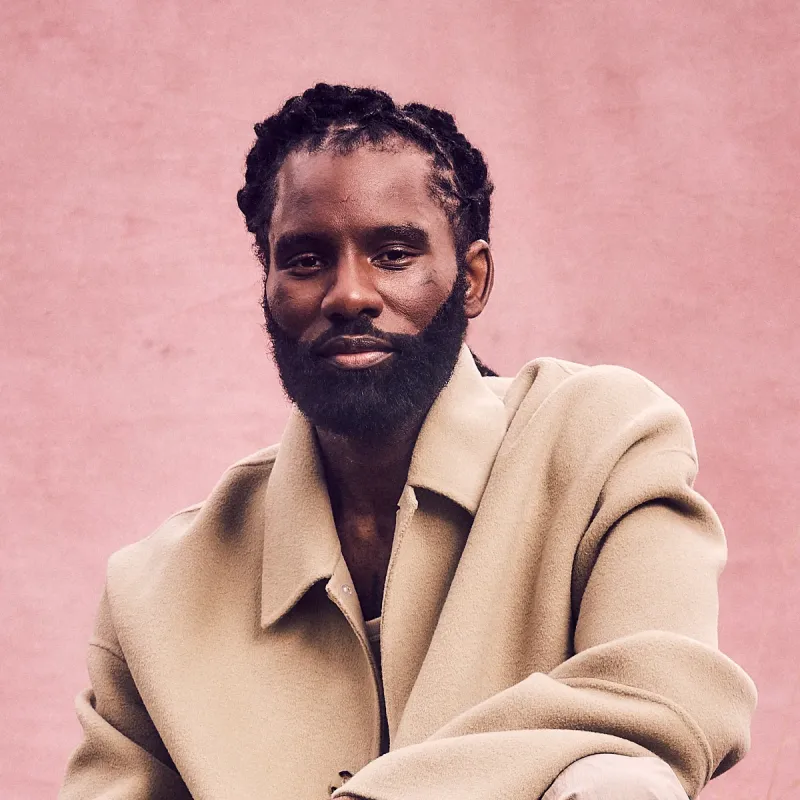
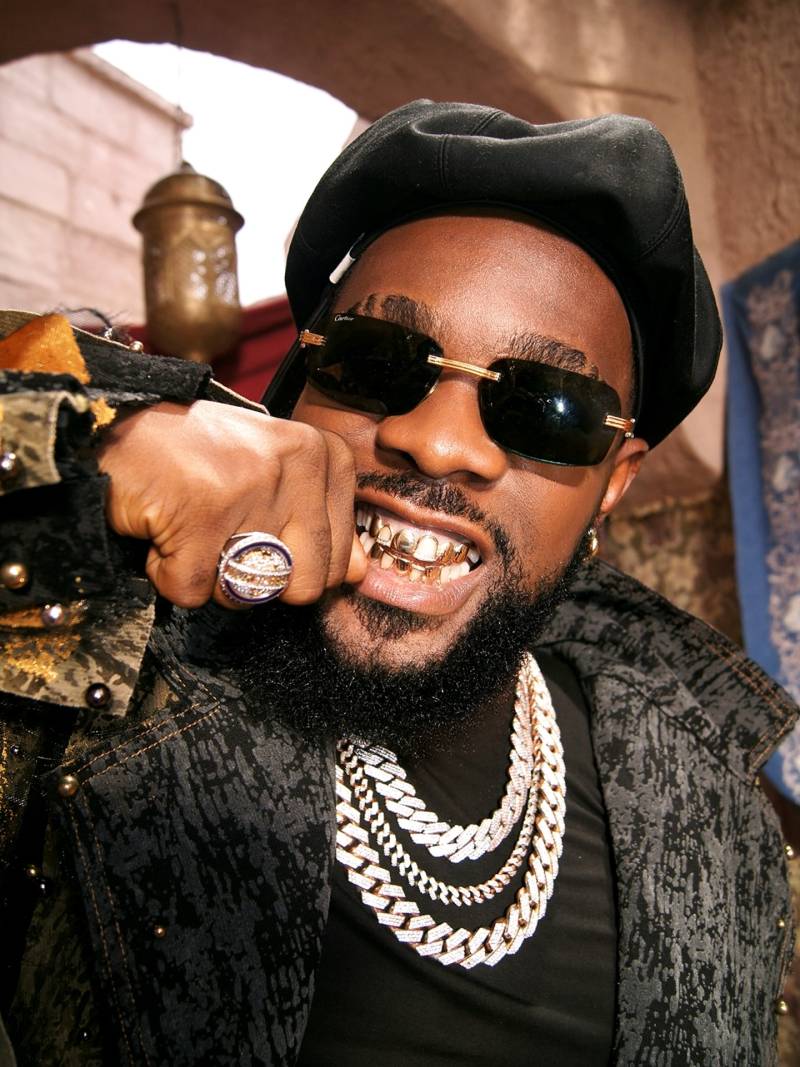
LAGOS – The curtains of private life are rarely pulled back with as much visceral intensity as they were during a recent, gripping episode of The Honest Bunch Podcast. Roby Ekpo, a prominent Master of Ceremonies known for his charisma and public presence, stepped away from his usual role of orchestrating joy for others to narrate a personal odyssey of devotion, deception, and ultimate renewal. His account serves as a sobering examination of the complexities of modern, long-distance relationships and the profound psychological toll of a betrayal that played out in the most public manner imaginable.
The story began in 2015, rooted in what Ekpo believed was a foundation of mutual growth and enduring love. For over a decade, his life was defined by the unique pressures of a long-distance marriage, a journey he undertook with unwavering commitment. As he navigated his career in Nigeria, his wife lived abroad, a physical gap he attempted to bridge through consistent emotional and financial investment. Ekpo detailed a partnership where he acted as a primary pillar of support, revealing that he frequently sent half of his total income to sustain her life overseas. This financial dedication was, in his view, an expression of a sacred vow, a tangible manifestation of a husband’s duty to provide and protect, regardless of the miles between them.
However, beneath the surface of this perceived partnership, a more troubling dynamic was allegedly taking root. Ekpo described a relationship that gradually became characterized by an imbalance of power and emotional control. He recounted instances of being subjected to a domineering atmosphere where his autonomy was steadily eroded. One of the more striking examples of this control involved demands to delete shared digital content—memories of their life together that should have been cherished but were instead treated as liabilities. This environment created a pervasive lack of intimacy and trust. Despite these growing fractures and the isolating nature of their arrangement, Ekpo maintained that he remained steadfast and faithful, laboring under the hope that his dedication would eventually lead to a more traditional, unified domestic life.

Related article - Uphorial Shopify

The dissolution of this hope came not through a private conversation or a formal legal proceeding, but through the cold, digital lens of social media. The narrative shifted from one of quiet struggle to one of public trauma when Ekpo began uncovering evidence of infidelity. The initial cracks appeared through suspicious photographs and the discovery that his wife was sharing a residence with a man she had previously dismissed as merely a flatmate. The reality of the situation escalated from suspicion to a harrowing certainty when the final blow was delivered via Instagram. There, among the endless scroll of curated lives, Ekpo witnessed high-definition videos of his wife’s wedding to another man. The realization was instantaneous and shattering: the person he had supported for eleven years had moved on to a new life and a new marriage without the courtesy of an ending to their own.
In the aftermath of this revelation, the podcast took on a more reflective and advocacy-focused tone. Rather than retreating into a permanent state of bitterness, Ekpo chose to use his platform to address the often-ignored subject of men’s mental health. He spoke candidly about the unique stigma men face when dealing with domestic heartbreak, particularly the pressure to remain stoic in the face of emasculating betrayal. His healing process, as he described it, was not a linear path but a rigorous reconstruction of his identity. He credited a combination of deep spiritual practice through prayer, the unwavering presence of a close-knit circle of friends, and the therapeutic nature of his professional life as an MC for his survival.
By finding purpose in his work—bringing energy and celebration to the lives of others—he managed to reclaim a sense of self that had been nearly extinguished by the trauma of his marriage. His message to the audience was one of urgent vulnerability, urging men who find themselves in similar shadows to speak out and seek professional or communal support rather than suffering in silence. He challenged the traditional "strong and silent" trope, suggesting that true strength lies in the acknowledgment of pain and the pursuit of recovery.
As the interview concluded, the image of Roby Ekpo that remained was not that of a victim, but of a man who had survived a comprehensive collapse of his personal world. Despite the eleven years of investment that resulted in a public spectacle of betrayal, he asserted a defiant optimism. He maintained his belief in his own character, stating firmly that he remains a good man with a capacity for love and a clear vision for a future unburdened by the deceptions of the past. His story stands as a poignant reminder that while the digital age can facilitate the ultimate betrayal, it can also provide a platform for the kind of honesty that leads to collective healing.