LAKE CHAD – In the vast, sun-bleached expanse of Chad, a radical transformation is taking place that challenges the prevailing narrative of the Sahel as a region of irreversible decline. Permaculture instructor Andrew Millison recently documented a series of massive infrastructure projects led by the UN World Food Programme, revealing how the strategic manipulation of landscape and water is effectively turning back the tide of the Sahara Desert. This initiative is not merely a localized aid project; it represents a fundamental shift in how international organizations and local governments approach the dual crises of desertification and chronic hunger. By utilizing earth-moving techniques at a monumental scale, engineers and villagers are working in tandem to convert barren, arid valleys into thriving, perennial food systems that offer a blueprint for climate resilience in 2026.
The technical core of this transformation lies in the implementation of "receding cultivation," a sophisticated water-harvesting strategy that works with the natural rhythms of the Chadian climate. The process involves the construction of enormous dykes across dry valleys to intercept and hold storm waters during the brief but intense rainy season. As these artificial reservoirs fill, they create vast temporary lakes. During the subsequent dry season, as the water slowly evaporates and permeates the deep layers of the earth, it reveals a dark, nutrient-rich, and thoroughly saturated soil. This "receding" moisture allows villagers to plant crops in the wake of the retreating waterline, facilitating a continuous growing cycle in a region where agriculture was previously restricted to a few unpredictable months.
The impact of these dykes extends far beneath the surface through the critical process of aquifer recharge. By creating a series of interconnected lakes that hold water on the landscape for extended periods, the projects do more than just provide surface-level irrigation; they act as a high-pressure pump for the underground water table. This sustained pressure forces water into the subterranean layers, supercharging the local aquifers. The results are visible in the surrounding villages, where local wells that once ran dry or required grueling manual labor to reach receding levels have seen their water tables rise significantly. This creates a reliable, year-round water supply that supports expanded irrigation and livestock, effectively decoupling the community's survival from the volatility of annual rainfall.
Related article - Uphorial Shopify
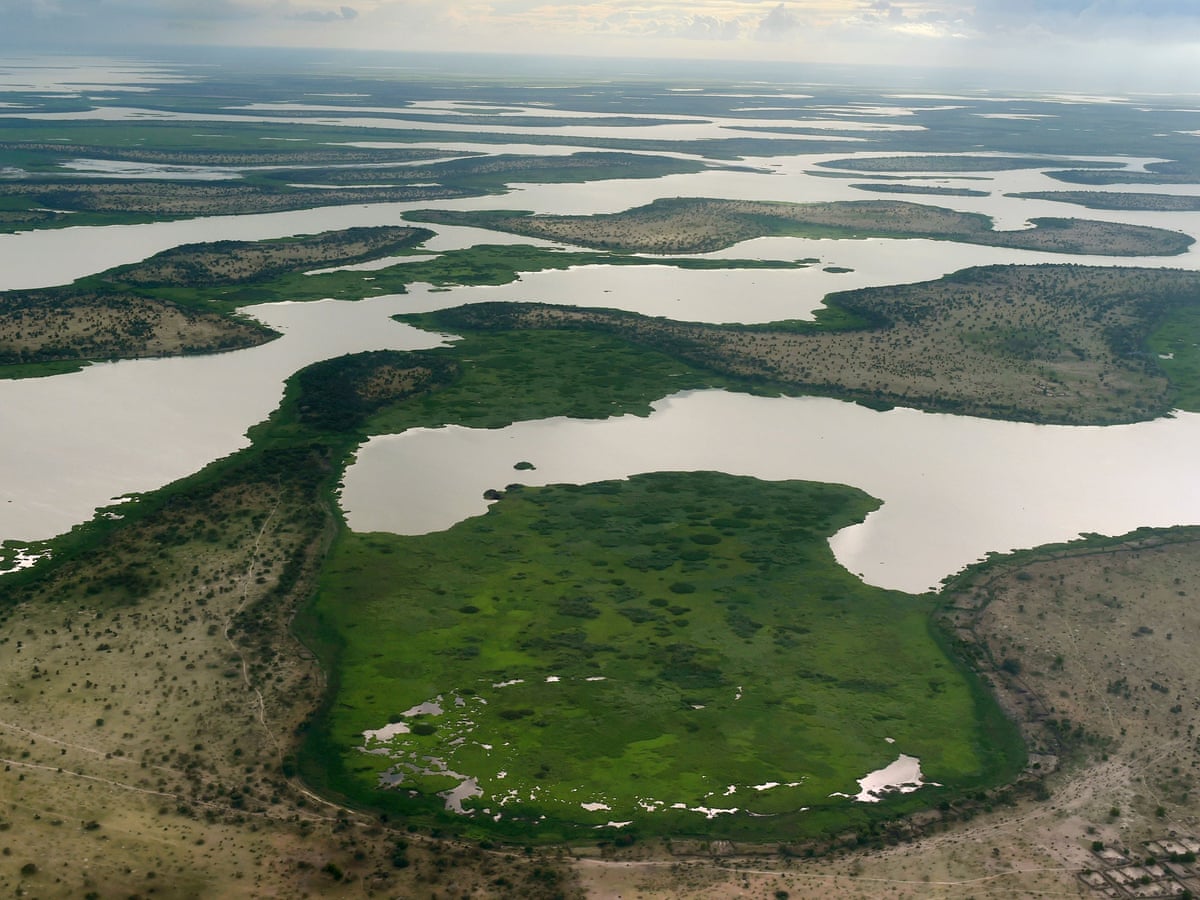
Beyond the immediate valley floors, the scope of these interventions encompasses entire watersheds. The World Food Programme’s strategy includes "upper-basin restoration," which focuses on the higher elevations surrounding the cultivated valleys. By implementing a variety of earthworks designed to slow the flow of runoff, these projects reduce the destructive power of flash floods, mitigate topsoil erosion, and capture vital silt before it can wash away. This holistic approach ensures that the entire landscape begins to function as a biological sponge, retaining moisture and nutrients at every level of the elevation profile. This large-scale design ensures that the benefits of the infrastructure are not limited to the dyke walls but are felt across the broader ecosystem.

The social and economic impact of these integrated water management systems is particularly profound for the most vulnerable members of Chadian society. The video documentation highlights a significant shift in the lives of local women, who are often the primary laborers in subsistence farming. The newfound stability of the food supply and the proximity of water have provided these women with a level of food security and economic agency that was previously unattainable. By reducing the time and physical toll required to secure basic necessities, the project allows for greater community investment in education and small-scale enterprise, creating a "deep resilience" that protects families against both climate-induced shocks and the fluctuations of the global economy.
The ambition of the Chadian government and its international partners suggests that these successes are intended for massive expansion. With an official target of five million hectares of land restoration by 2030, the government is looking to these low-tech, community-driven designs as the primary engine for national stability. The project serves as a powerful demonstration that massive scale does not always require high-tech, expensive solutions; rather, it requires an intelligent understanding of natural patterns and the mobilization of local hands to reshape the earth. As Andrew Millison’s journey illustrates, the battle against desertification in Africa is being won one dyke at a time, proving that even in the most arid corners of the globe, the right design can coax life back into the sand.